,

Mixer Mechanical Seals

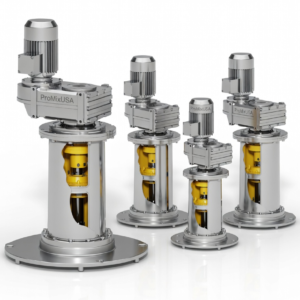
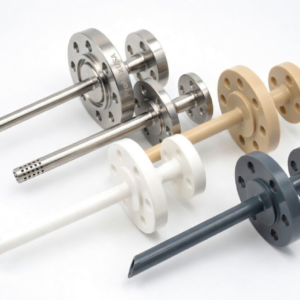
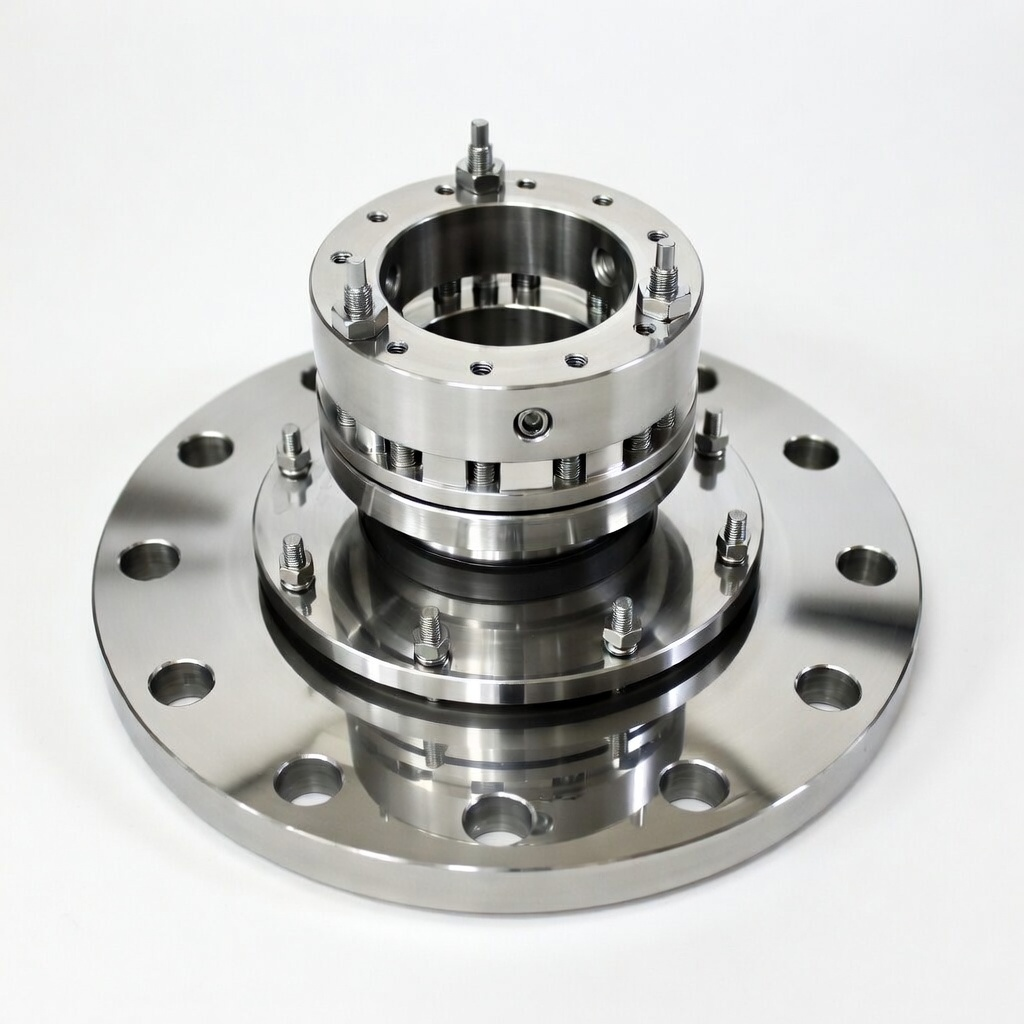
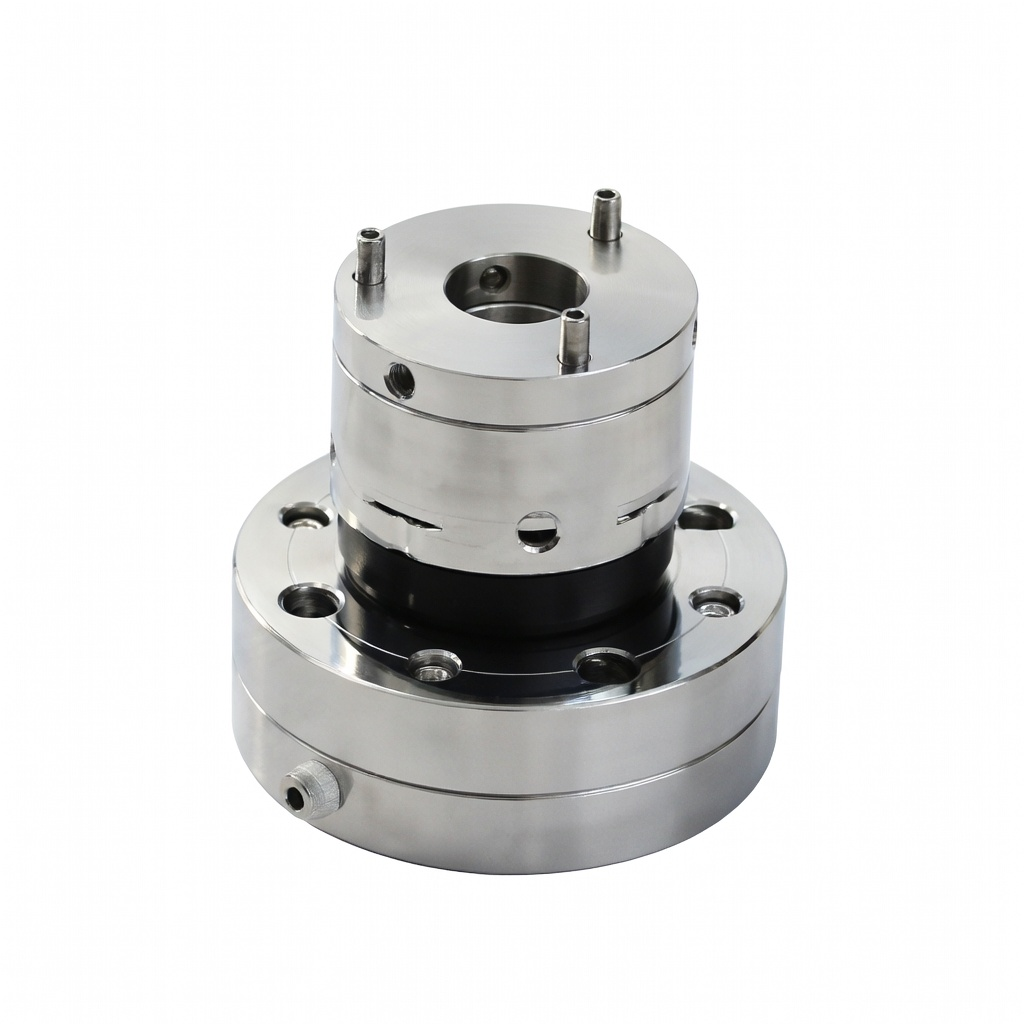
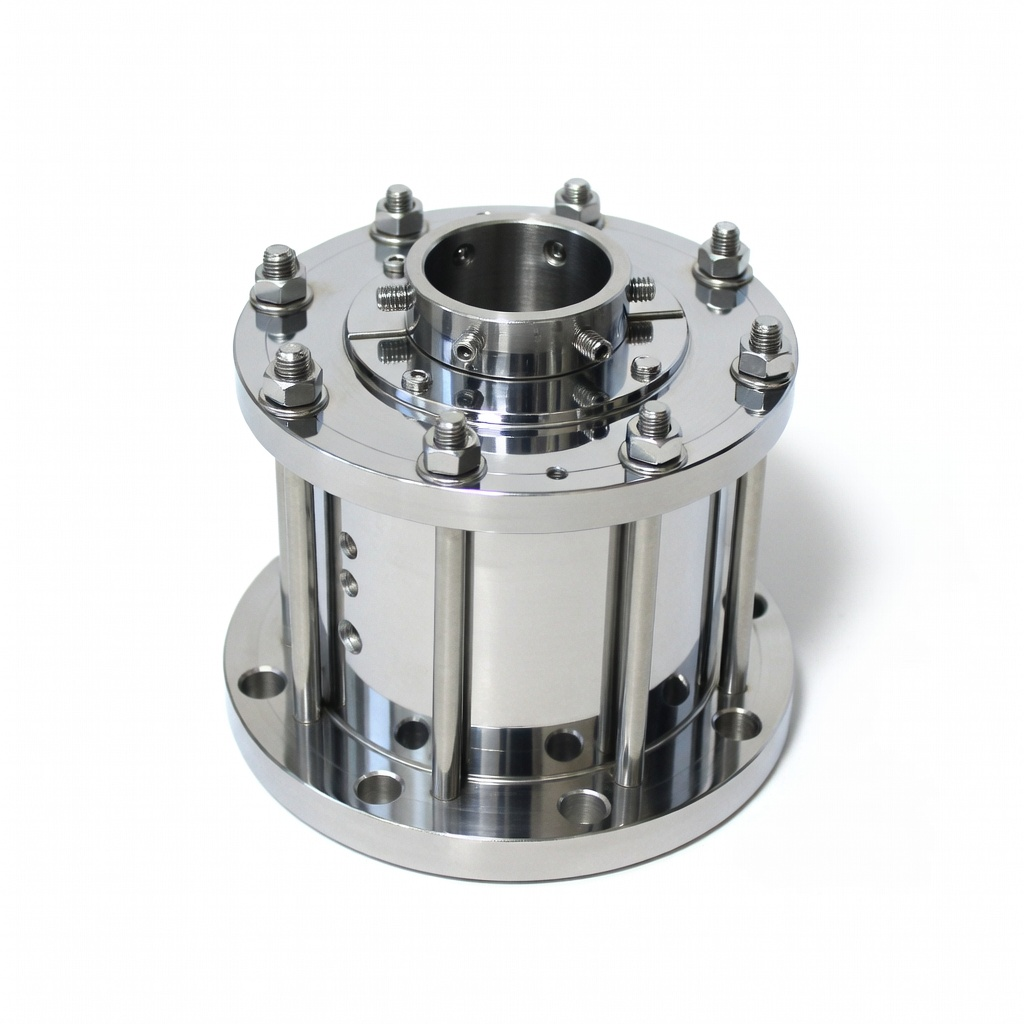
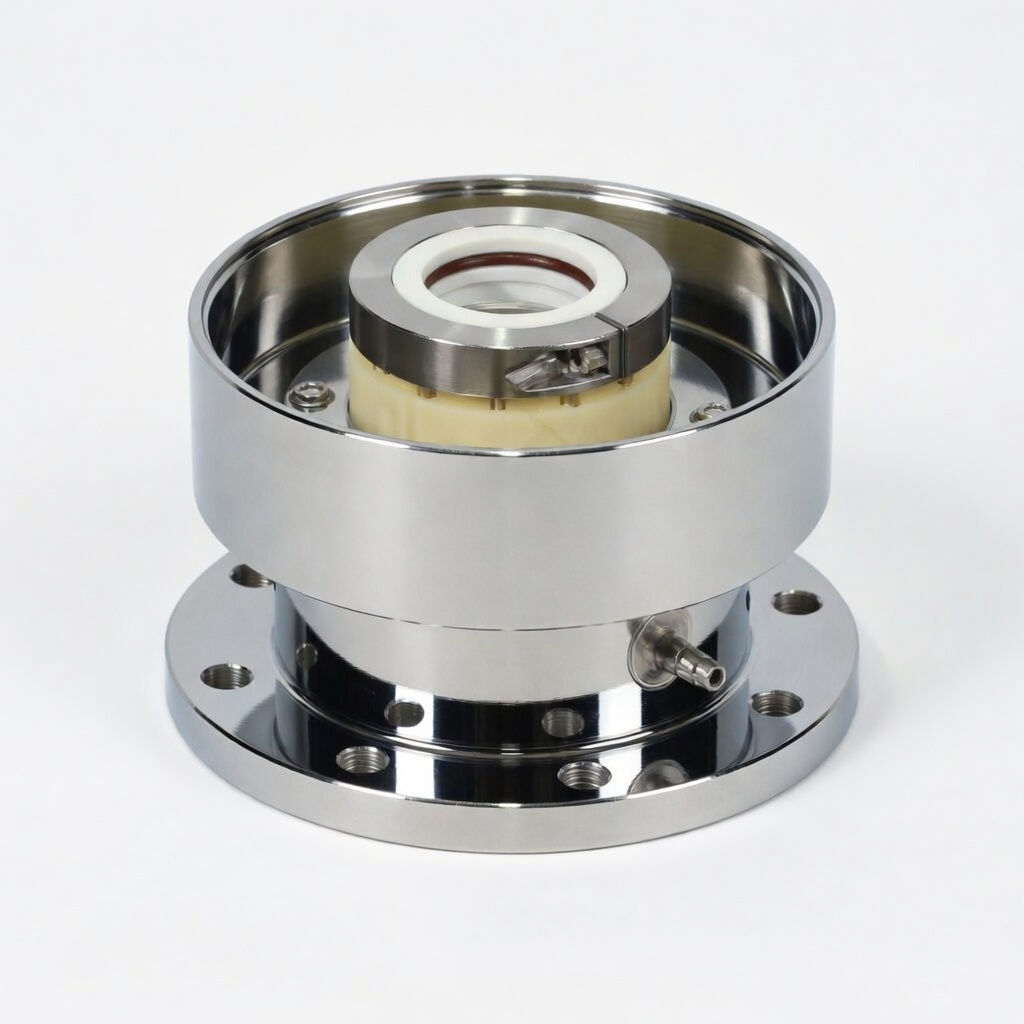
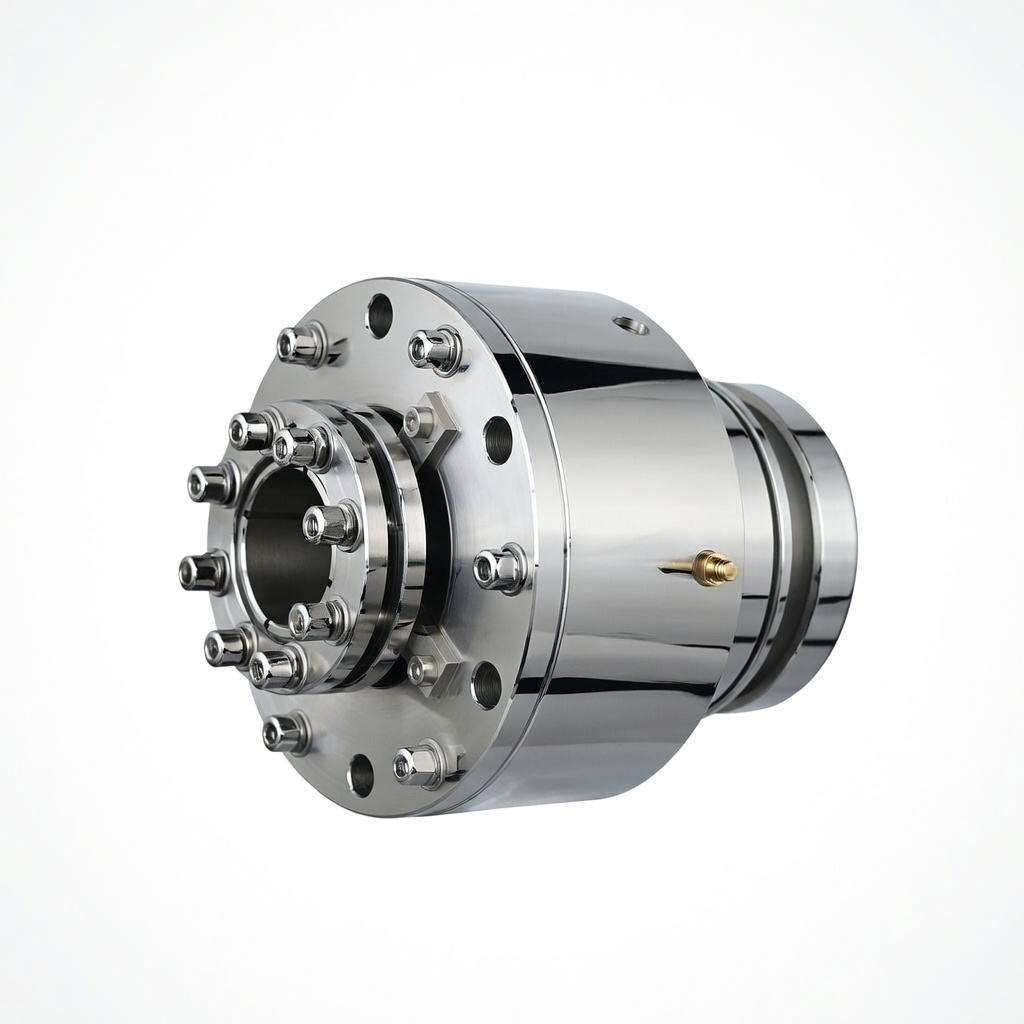
Our Mechanical seals are designed for specific applications.  Temperatures, pressures, and certain types of vessels require certain types of mechanical seals.  Single, double, and Sanitary type mechanical seals are available.  Mixer mechanical seals are essential components used in industrial mixing equipment to prevent leakage and maintain the integrity of the mixing process.  They seal the rotating shaft where it enters the mixing vessel, ensuring that fluids or gases do not escape and contaminate the product or surroundings.  By creating a tight seal between the shaft and the vessel, mixer mechanical seals contribute to increased safety, efficiency, and regulatory compliance in various industries such as chemical processing, food and beverage production, water treatment, pharmaceutical manufacturing, and more.

Mixer mechanical seals are crucial components in various industrial mixing equipment, ensuring efficient and leak-free operation. Designed to prevent leakage of process fluids and to maintain the integrity of the mixing system, these seals play a vital role in ensuring the smooth functioning of mixers in diverse applications.  Moreover, mixer mechanical seals, made from high-quality materials like stainless steel, carbon, and ceramic, are engineered to endure the challenges of demanding industrial environments.  Designed specifically to withstand high temperatures, pressures, and corrosive chemicals often present in mixing operations.  In addition, by creating a barrier between the rotating and stationary parts of mixers.   These seals effectively prevent fluid leakage and contamination, protecting equipment and ensuring product quality.

Mixer mechanical seals come in various configurations to suit different mixer types and applications, including agitators, blenders, homogenizers, and more.  Also, whether in pharmaceutical, food and beverage, chemical, or other industries, these seals are essential for maintaining process efficiency, safety, and regulatory compliance.  With their precision engineering and reliable performance, mixer mechanical seals contribute to minimizing downtime.  This helps reduce maintenance costs and optimize overall operational efficiency. Investing in high-quality seals not only enhances the longevity of mixing equipment but also ensures consistent product quality and operational safety.

Crucial for Sealing

Mechanical seals for mixers are crucial components utilized in various industrial mixing applications to prevent leakage and contamination.  Designers create these seals to effectively seal the rotating shaft of a mixer where it enters the mixing vessel.   This prevents the escape of liquids or gases, thereby maintaining the integrity of the process and ensuring regulatory compliance.  Moreover, mixer mechanical seals typically consist of several key components, including a primary seal face that moves with the shaft and a stationary secondary seal face.  Usually made of carbon, ceramic, or tungsten carbide, these elements provide high wear resistance and low friction to ensure efficient sealing.  Often, a sealant fluid or gas like a lubricant enhances sealing performance and reduces frictional heat generation between these seal faces.

The design of mixer mechanical seals can vary based on the specific requirements of the mixing application, such as the materials being mixed. Furthermore, the operating temperature pressure, and the speed of the mixer shaft. Some seals may have additional features like flush ports for cooling or cleaning.  Also, double seals for added protection against leakage, or special coatings for enhanced chemical resistance.  Proper installation and maintenance of mixer mechanical seals are crucial to ensure optimal performance and longevity.  Finally, regular inspection, lubrication, and replacement of seals as needed can help prevent costly issues like leakage.  It can also help with product contamination and equipment damage.  This ultimately contributes to the efficiency and reliability of industrial mixing processes.

Mixer Mechanical Seals for Sealed Tanks

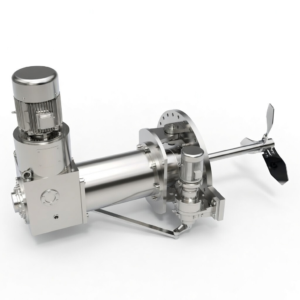
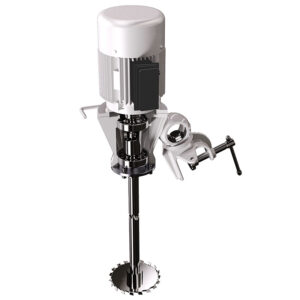
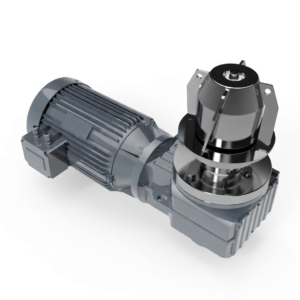
Top entry mixers and bottom entry agitators on sealed tanks will have some mechanical seal.  For many sanitary process vessels, the mixer must have some type of sealing barrier to provide a dust-tight vapor seal.  Also, a pressure-tight seal to allow pressure or vacuum in the mix tank.  Finally, an aseptic sealing device to provide a hygienic seal between the tank id and the outside of the vessel.  There is a variety of mixer uses, including single dry-running double assemblies with a liquid or gas flush.  Moreover, you can use a range of other lip seals and packing materials.

Starting with the least expensive sealing mechanism for a rotating mixer or reactor.  The cure for that is that we have a simple dust cover assembly and elastomer lips seal.  In addition, we have a spring-loaded CIP mixer seal, a packing seal, and a USP class VI lip seal.  Also, a single dry running mixer seal, a single with aseptic debris well.  Finally, a higher-pressure double, custom steam sterilizable, and split options.

In summary, mixer mechanical seals are indispensable components for industrial mixing processes, offering reliable sealing solutions that promote productivity, efficiency, and product integrity.

Specifications

Material


Seal Face:  Carbon, Silicon, Ceramic, TC
Secondary Seals:  Viton/PTFE/FEP
Metal Parts:  SS316, SS304, Hast-B

Agitator Mixer Seals


Agitator Mechanical Seals are designed for handling severe services including products emitting toxic vapors during the reaction process.  The Agitator Mixer Seal design incorporates a bearing located very close to the seal. This standard feature effectively arrests the shaft whip for smooth and trouble-free operation enabling enhanced seal life.  The cooling jacket, also a standard feature, helps to maintain a cool environment around the seal.  Large clearance between the rotating shaft/sleeve and the mating ring permits higher deflection of the shaft, invariably associated with Top Entry Agitators.

Operating Limits


Pressure:  Up to 1.40 MPa
Temperature: (-)10°C to (+)150°C
Speed:  Up to 1 m/s
Sizes:   1″ to 4″

Installation

To install a top-mounted mixer mechanical seal, please follow these general procedures:

Preparation

  • Make sure to read the manufacturer’s instructions and safety guidelines before starting the installation.
  • Gather all the necessary tools and equipment for the installation.
  • Ensure that the mixer and its components are turned off and disconnected from any power source.

Removing the Old Seal (if applicable)

  • If there is an existing seal that needs to be replaced, carefully remove it according to the manufacturer’s instructions.
  • Clean the seal chamber and the surrounding area thoroughly to ensure a clean surface for the new seal.

Installing the New Seal

  • Carefully place the new mechanical seal in its designated position on the top of the mixer shaft.
  • Follow the manufacturer’s guidelines on how to properly secure the seal in place, including tightening any bolts or fasteners as required.
  • Ensure that the seal is aligned correctly and securely in place to prevent leaks or other issues.

Testing and Inspection

  • Once the new seal is installed, perform a thorough inspection to check for any gaps, misalignments, or other issues.
  • Test the mixer to ensure that the seal is functioning properly and there are no leaks.

Final Checks

  • Double-check all connections and fastenings to make sure everything is secure.
  • Follow any additional guidelines provided by the manufacturer for final checks and testing procedures.

Please note that these are general guidelines and it’s crucial to refer to the specific instructions provided by the ProMix USA and the mechanical seal for detailed installation procedures.  If you encounter any difficulties during the installation process, it’s recommended to seek assistance from a professional or the manufacturer.

Maintenance

Mechanical seals are crucial components in tank mixers, designed to prevent leakage between the rotating shaft and the stationary parts.  Regular maintenance ensures their optimal performance, longevity, and leak prevention.  Follow these procedures to maintain your tank mixer mechanical seals effectively:

Routine Inspection

  • Visual Inspection:  Regularly inspect the mechanical seals for signs of leakage, wear, or damage.  Look for any fluid around the seal area, which could indicate a problem.
  • Seal Condition:  Check the condition of the seal faces and other visible parts for any visible signs of wear or damage.

Cleaning

  • Scheduled Cleaning:  Clean the mechanical seals as part of routine maintenance.  The frequency of cleaning will depend on the operating conditions and the substances handled.
  • Cleaning Agents:  Use cleaning agents compatible with the seal materials and the substances in the tank.  Avoid abrasive or corrosive cleaners that could damage the seals.
  • Cleaning Procedure:
    • Flush the Area:  Rinse the seal area with a suitable solvent or cleaning solution to remove any residual materials or contaminants.
    • Wipe Surfaces:  Clean the external surfaces of the mechanical seal with a soft cloth to remove buildup or debris.

Checking Performance

  • Leakage Monitoring:  Continuously monitor for any signs of leakage around the mechanical seal.  Address any leakage promptly to prevent further damage or contamination.
  • Seal Integrity:  Verify that the seal maintains proper pressure and alignment during operation.

Inspection of Internal Components

  • Disassembly:  Periodically disassemble the mixer to inspect the mechanical seals, especially if you notice performance issues or leaks.
  • Check Seal Faces:  Examine the seal faces for signs of wear, scoring, or pitting. Replace any damaged or worn seal faces.
  • Inspect Springs and Elastomers:  Check the springs and elastomer components (such as O-rings) for wear or damage.  Replace any components that are worn or compromised.
  • Verify Alignment:  Ensure that the seal components are properly aligned and seated. Misalignment can cause premature wear and leakage.

Replacement

  • Determine Replacement Needs:  Based on inspection findings, decide if the seals need to be replaced.  Signs of replacement include excessive leakage, significant wear, or damage to seal components.
  • Use Genuine Parts:  Always replace seals with genuine parts that match the original specifications to ensure proper fit and performance.
  • Installation:  Follow the manufacturer’s guidelines for installing new seals, ensuring correct alignment and proper seating.

Calibration and Adjustment

  • Verify Settings:  If the mechanical seal includes adjustable components or settings, ensure they are calibrated according to the manufacturer’s specifications.
  • Adjust as Needed:  Make any necessary adjustments to ensure optimal performance and prevent leakage.

Documentation

  • Maintenance Records:  Maintain detailed records of all maintenance activities, including inspections, cleaning, replacements, and performance adjustments.  This helps track the seal’s condition and plan future maintenance.
  • Issue Reporting:  Document any issues encountered during maintenance and report them to the appropriate personnel for further action.

Training

  • Operator Training:  Ensure that operators are trained in the proper use and maintenance of mechanical seals.  Provide guidelines for routine checks, cleaning, and troubleshooting.
  • Ongoing Training:  Update training as necessary based on changes in procedures, technology, or operational requirements.

Safety Checks

  • Follow Safety Protocols:  Adhere to safety protocols during maintenance activities.  Use appropriate personal protective equipment (PPE) and follow lockout/tagout procedures if required.
  • Emergency Procedures:  Familiarize yourself with emergency procedures in case of equipment failure or accidents during maintenance.

By following these maintenance procedures, you can ensure that the mechanical seals in your tank mixer perform reliably, minimizing leaks and prolonging the life of the equipment.

Q&A

Q:  What are mixer mechanical seals?
A:  Mixer mechanical seals are components used in industrial mixing equipment to prevent leakage and contamination by sealing the rotating shaft where it enters the mixing vessel.

Q:  Why are mixer mechanical seals important?
A:  Mixer mechanical seals are crucial for maintaining the integrity of the mixing process, and preventing leaks that could lead to product loss, contamination, or safety hazards.

Q:  What are the key components of a mixer mechanical seal?
A:  The key components typically include a primary seal face that moves with the shaft, a stationary secondary seal face, and a sealant fluid or gas between them to enhance sealing performance.

Q:  What materials are commonly used in mixer mechanical seals?
A:  Materials such as carbon, ceramic, and tungsten carbide are commonly used for the seal faces due to their high wear resistance and low friction properties.

Q:  How can proper maintenance prolong the life of mixer mechanical seals?
A:  Regular inspection, lubrication, and timely replacement of worn seals can help prevent issues like leakage, product contamination, and equipment damage, ultimately extending the life of mixer mechanical seals and improving process efficiency.

Advantages / Disadvantages

Advantages of Mixer Mechanical Seals

Leakage Prevention:  Mixer mechanical seals effectively prevent leakage of fluids or gases, ensuring product integrity and preventing environmental contamination.

Enhanced Safety:  By containing hazardous or toxic substances within the mixing vessel, mechanical seals contribute to a safer working environment for operators.

Increased Efficiency: Properly functioning seals reduce waste, improve process efficiency, and prevent unplanned downtime due to equipment failure.

Regulatory Compliance:  Seals help maintain process conditions within specified parameters, ensuring compliance with industry regulations and standards.

Versatility:  Mechanical seals are available in various designs and materials to suit different mixing applications and operating conditions.

Disadvantages of Mixer Mechanical Seals

Maintenance Requirements:  Mechanical seals require regular inspection, lubrication, and potential replacement, adding to the maintenance costs and downtime of the equipment.

Cost:  Initial purchase and installation of mechanical seals can be more expensive than other sealing methods, although this cost may be offset by the benefits over time.

Skill Requirement:  Proper installation and maintenance of mechanical seals may require specialized knowledge and training, increasing the skill level required for maintenance personnel.

Risk of Damage:  Incorrect installation or maintenance of mechanical seals can lead to premature failure, leaks, and potential damage to the mixer or other process equipment.

Compatibility Issues:  Selecting the correct seal materials and design for specific mixing applications is crucial, as using incompatible seals can lead to premature wear or failure.

Applications

Mixer mechanical seals are well-suited for a wide range of industrial applications, including:

Chemical Processing:  Mixer mechanical seals are used in the mixing of various chemicals and compounds in industries such as pharmaceuticals, petrochemicals, and specialty chemicals.

Food and Beverage:  These seals are utilized in the mixing of ingredients in food processing, breweries, dairies, and other beverage production facilities to prevent contamination and maintain product quality.

Water and Wastewater Treatment:  Mixer mechanical seals play a crucial role in mixing processes for water treatment plants, ensuring efficient and leak-free operation.

Pharmaceutical Manufacturing:  In pharmaceutical production facilities, mechanical seals are essential for mixing active pharmaceutical ingredients (APIs) and ensuring product purity and safety.

Cosmetics and Personal Care:  Mixer mechanical seals are used in the formulation and mixing of various cosmetics, lotions, and personal care products to maintain product integrity and consistency.

Paints and Coatings:  Industries involved in the production of paints, coatings, and adhesives rely on mixer mechanical seals to prevent leaks and contamination during the mixing process.

Mining and Mineral Processing:  Mixer mechanical seals are used in the mixing of minerals, ores, and other materials in mining operations to ensure efficient processing and prevent environmental contamination.

Oil and Gas:  In the oil and gas industry, mechanical seals are employed in mixing applications for refining, chemical processing, and other operations where leak prevention is critical.

Overall, mixer mechanical seals are suitable for any industrial application that involves the mixing of liquids or gases and requires a reliable, leak-free sealing solution to maintain operational efficiency and product quality.

Downloads

Drawings

Reviews

There are no reviews yet.

Only logged in customers who have purchased this product may leave a review.

You may also like…

news-1701

yakinjp


sabung ayam online

yakinjp

yakinjp

rtp yakinjp

yakinjp

judi bola online

slot thailand

yakinjp

yakinjp

yakin jp

ayowin

yakinjp id

mahjong ways

judi bola online

mahjong ways 2

JUDI BOLA ONLINE

maujp

maujp

sabung ayam online

sabung ayam online

mahjong ways slot

sbobet88

live casino online

sv388

taruhan bola online

maujp

maujp

maujp

maujp

sabung ayam online

118000231

118000232

118000233

118000234

118000235

118000236

118000237

118000238

118000239

118000240

118000241

118000242

118000243

118000244

118000245

118000246

118000247

118000248

118000249

118000250

118000251

118000252

118000253

118000254

118000255

118000256

118000257

118000258

118000259

118000260

138000181

138000182

138000183

138000184

138000185

138000186

138000187

138000188

138000189

138000190

138000191

138000192

138000193

138000194

138000195

138000196

138000197

138000198

138000199

138000200

138000201

138000202

138000203

138000204

138000205

138000206

138000207

138000208

138000209

138000210

148000226

148000227

148000228

148000229

148000230

148000231

148000232

148000233

148000234

148000235

148000236

148000237

148000238

148000239

148000240

148000241

148000242

148000243

148000244

148000245

158000101

158000102

158000103

158000104

158000105

158000106

158000107

158000108

158000109

158000110

158000111

158000112

158000113

158000114

158000115

158000116

158000117

158000118

158000119

158000120

158000121

158000122

158000123

158000124

158000125

158000126

158000127

158000128

158000129

158000130

168000186

168000187

168000188

168000189

168000190

168000191

168000192

168000193

168000194

168000195

168000196

168000197

168000198

168000199

168000200

168000201

168000202

168000203

168000204

168000205

168000206

168000207

168000208

168000209

168000210

168000211

168000212

168000213

168000214

168000215

178000236

178000237

178000238

178000239

178000240

178000241

178000242

178000243

178000244

178000245

178000246

178000247

178000248

178000249

178000250

178000251

178000252

178000253

178000254

178000255

178000256

178000257

178000258

178000259

178000260

178000261

178000262

178000263

178000264

178000265

178000266

178000267

178000268

178000269

178000270

178000271

178000272

178000273

178000274

178000275

178000276

178000277

178000278

178000279

178000280

188000276

188000277

188000278

188000279

188000280

188000281

188000282

188000283

188000284

188000285

188000286

188000287

188000288

188000289

188000290

188000291

188000292

188000293

188000294

188000295

188000296

188000297

188000298

188000299

188000300

188000301

188000302

188000303

188000304

188000305

198000181

198000182

198000183

198000184

198000185

198000186

198000187

198000188

198000189

198000190

198000191

198000192

198000193

198000194

198000195

198000196

198000197

198000198

198000199

198000200

198000201

198000202

198000203

198000204

198000205

198000206

198000207

198000208

198000209

198000210

218000091

218000092

218000093

218000094

218000095

218000096

218000097

218000098

218000099

218000100

218000101

218000102

218000103

218000104

218000105

218000106

218000107

218000108

218000109

218000110

218000111

218000112

218000113

218000114

218000115

218000116

218000117

218000118

218000119

218000120

228000071

228000072

228000073

228000074

228000075

228000076

228000077

228000078

228000079

228000080

228000081

228000082

228000083

228000084

228000085

228000086

228000087

228000088

228000089

228000090

228000091

228000092

228000093

228000094

228000095

228000096

228000097

228000098

228000099

228000100

208000011

208000012

208000013

208000014

208000015

208000016

208000017

208000018

208000019

208000020

208000021

208000022

208000023

208000024

208000025

208000026

208000027

208000028

208000029

208000030

208000031

208000032

208000033

208000034

208000035

208000036

208000037

208000038

208000039

208000040

news-1701