, ,

Retractable Injection Quills

Price range: $445.00 through $1,645.00

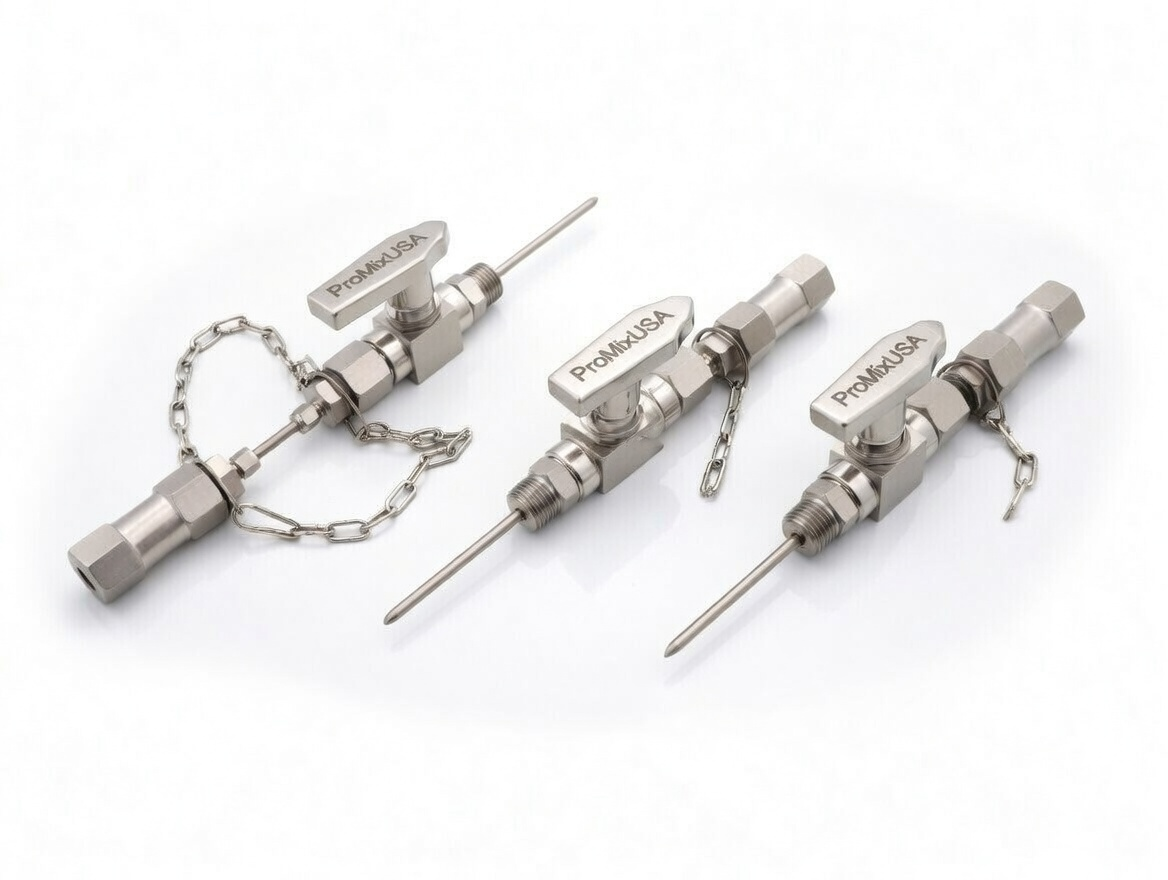
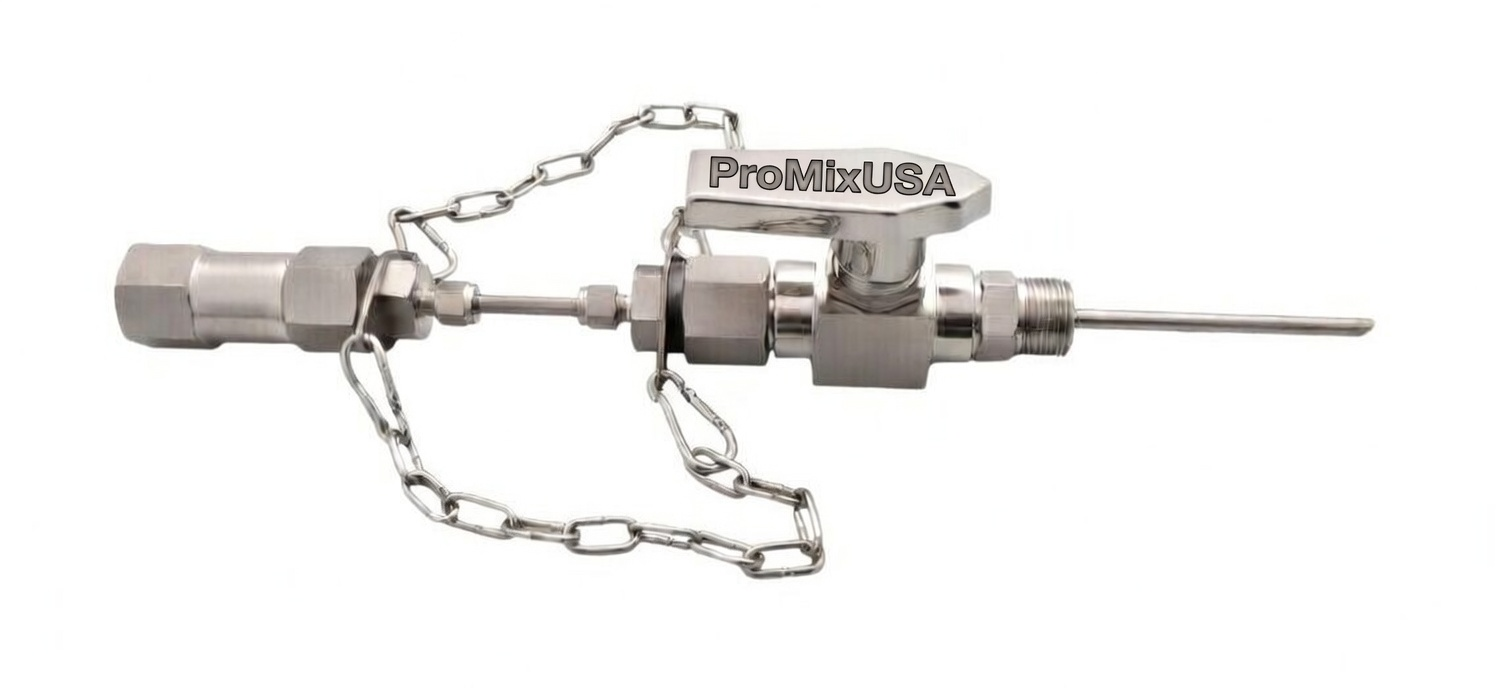
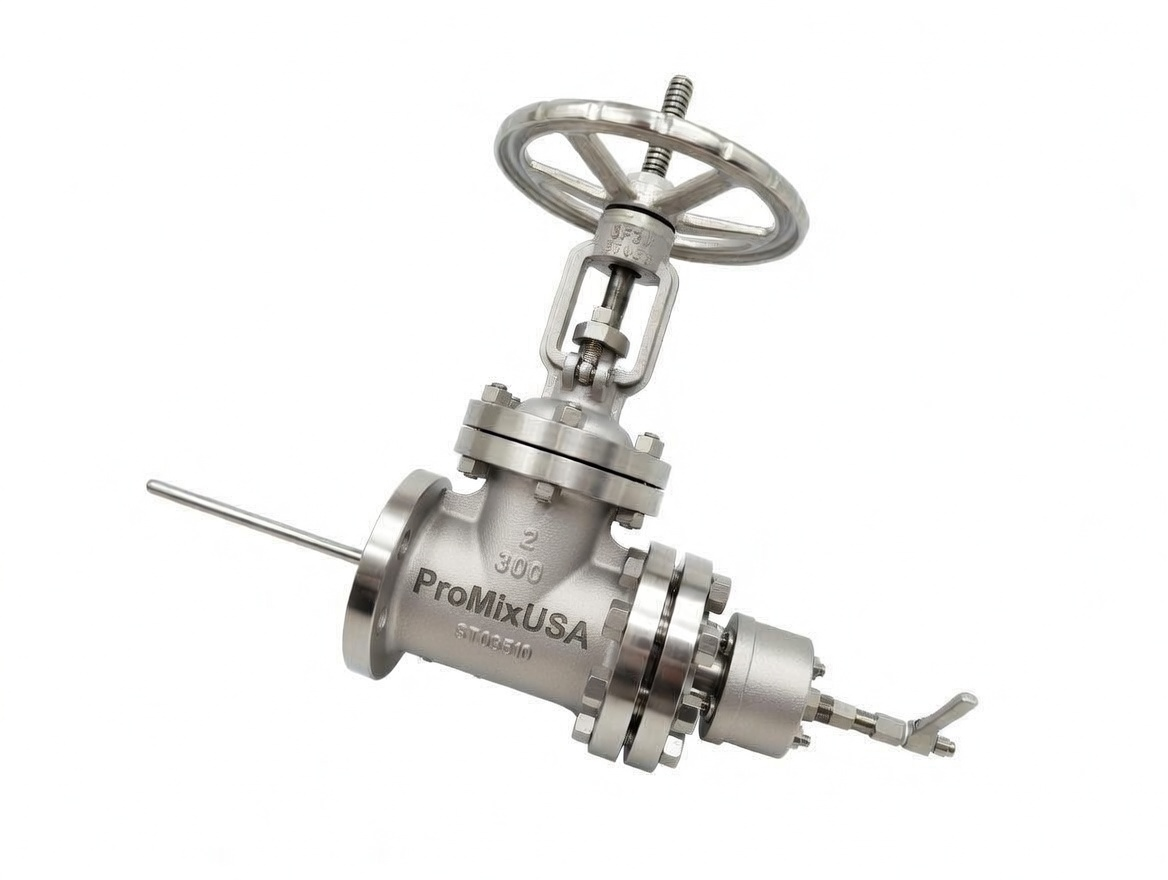
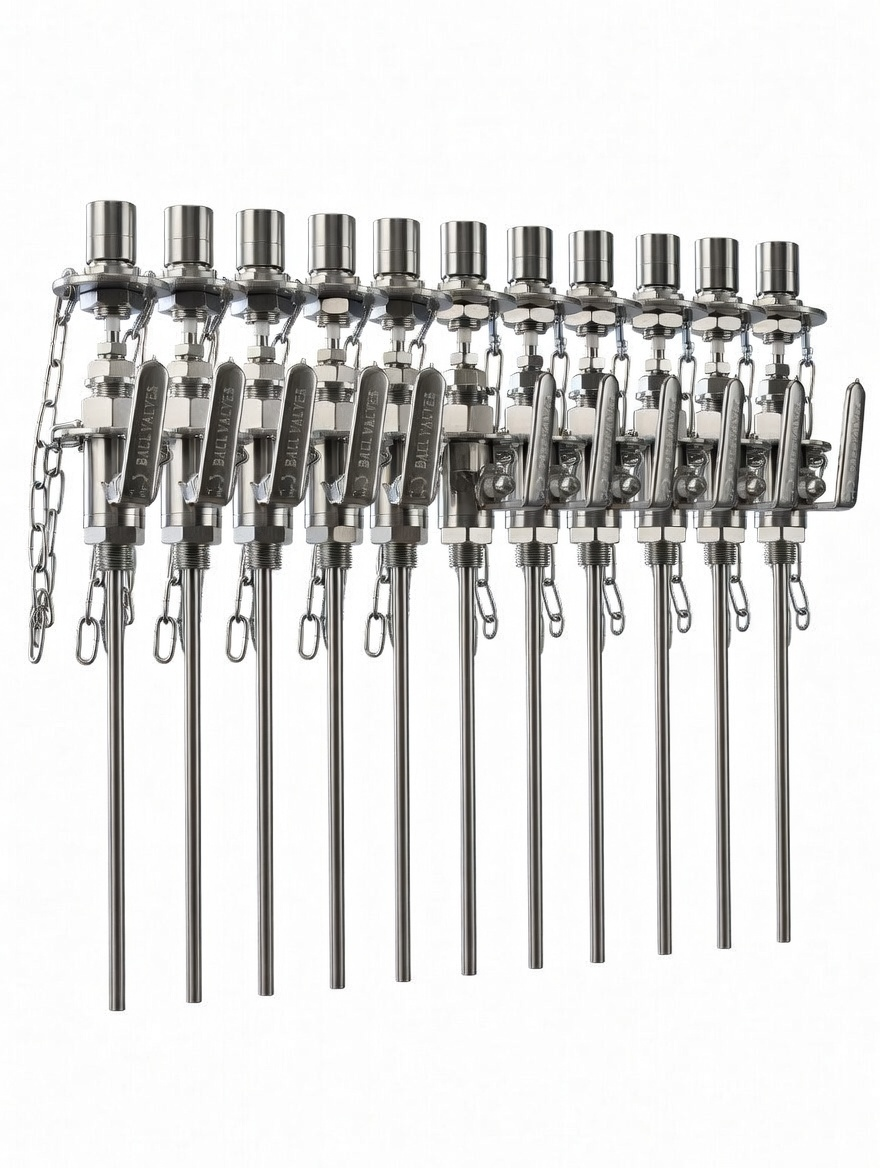
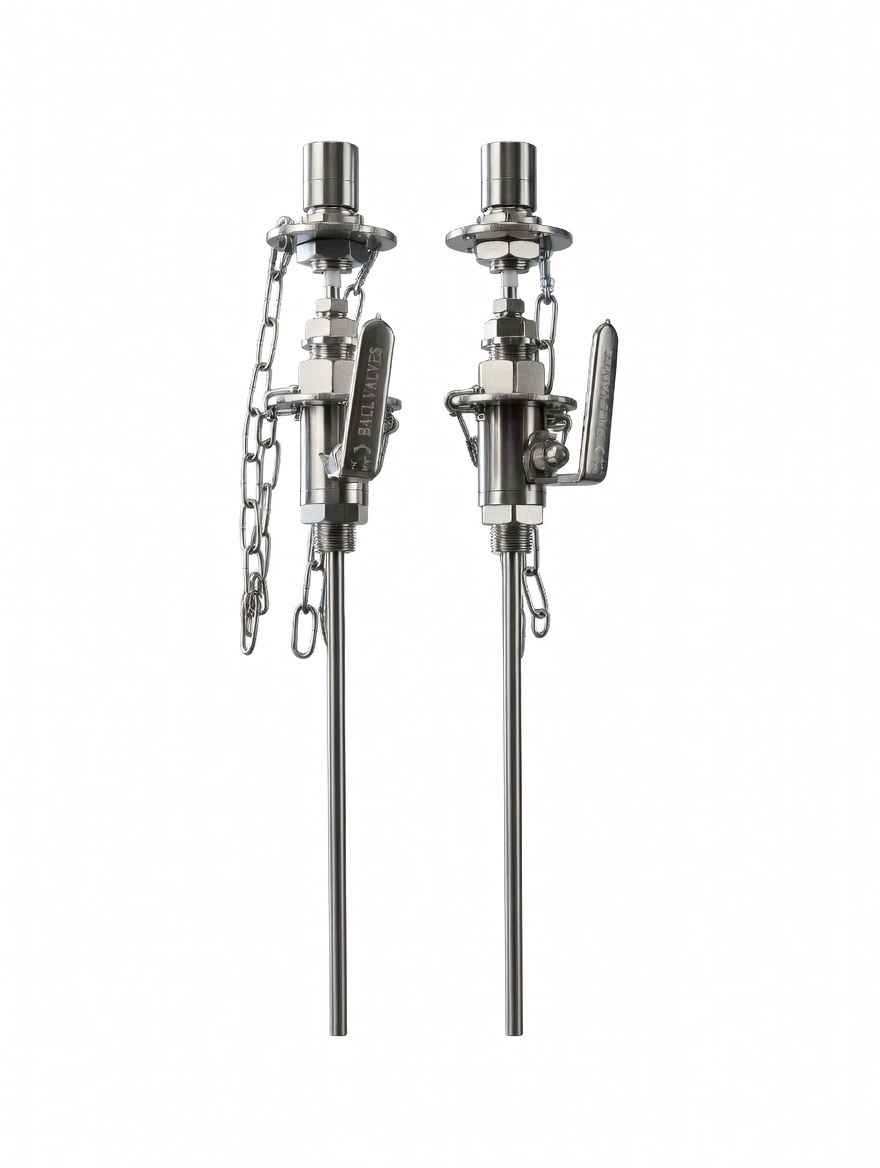
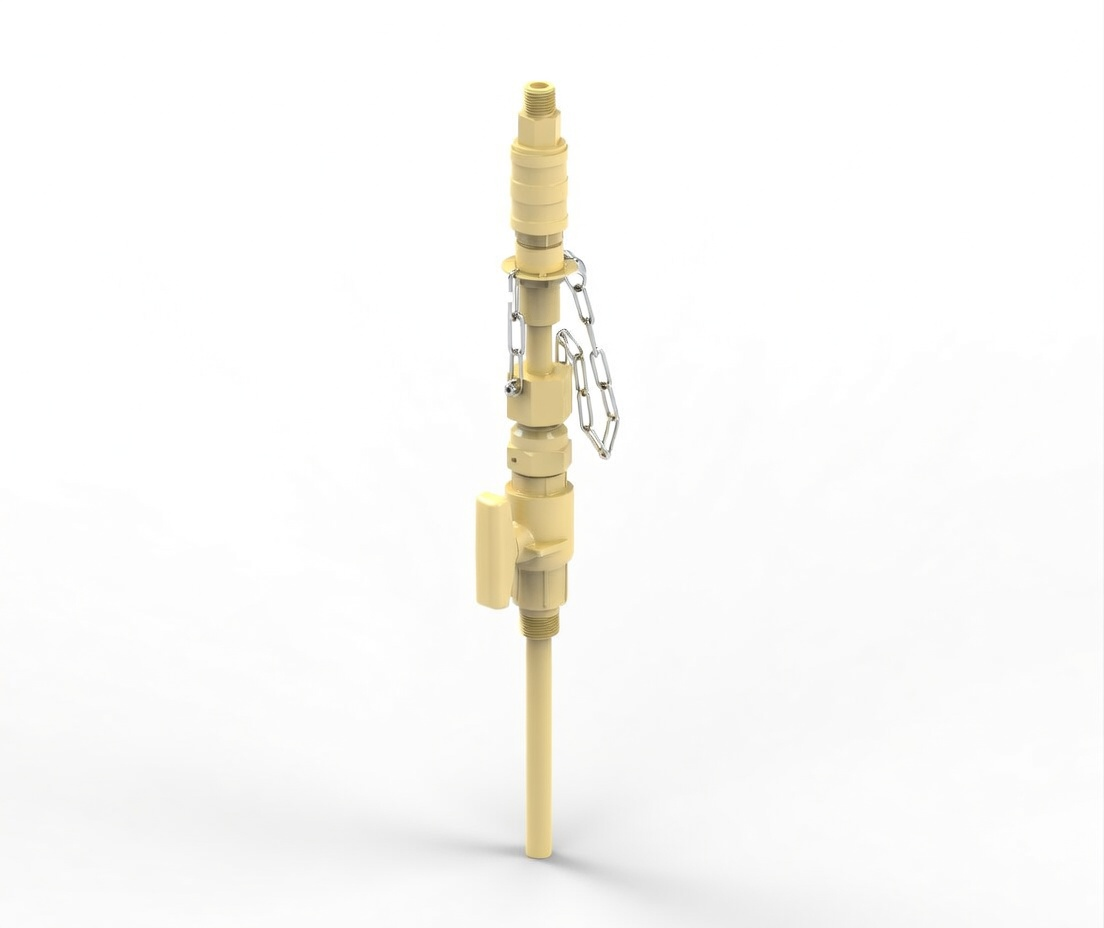
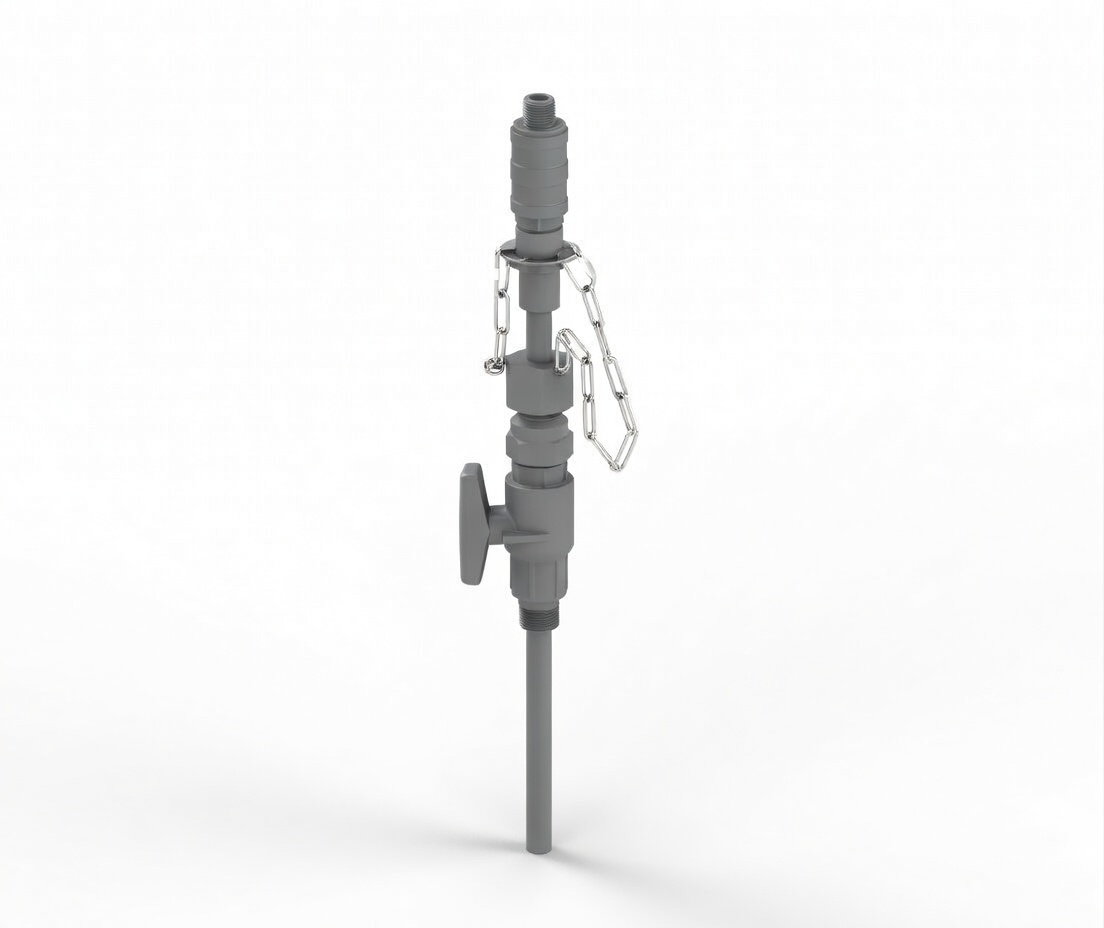
Retractable injection quills are devices used in fluid processing systems to inject chemicals or additives directly into a pipeline or tank.
They allow operators to safely and precisely introduce corrosion inhibitors, biocides, or pH control agents into a flowing system.

The key feature of a retractable injection quill is its ability to be inserted or withdrawn from the pipeline without requiring a system shutdown.
This makes it highly efficient for continuous operations where downtime must be avoided.

Design & Key Features

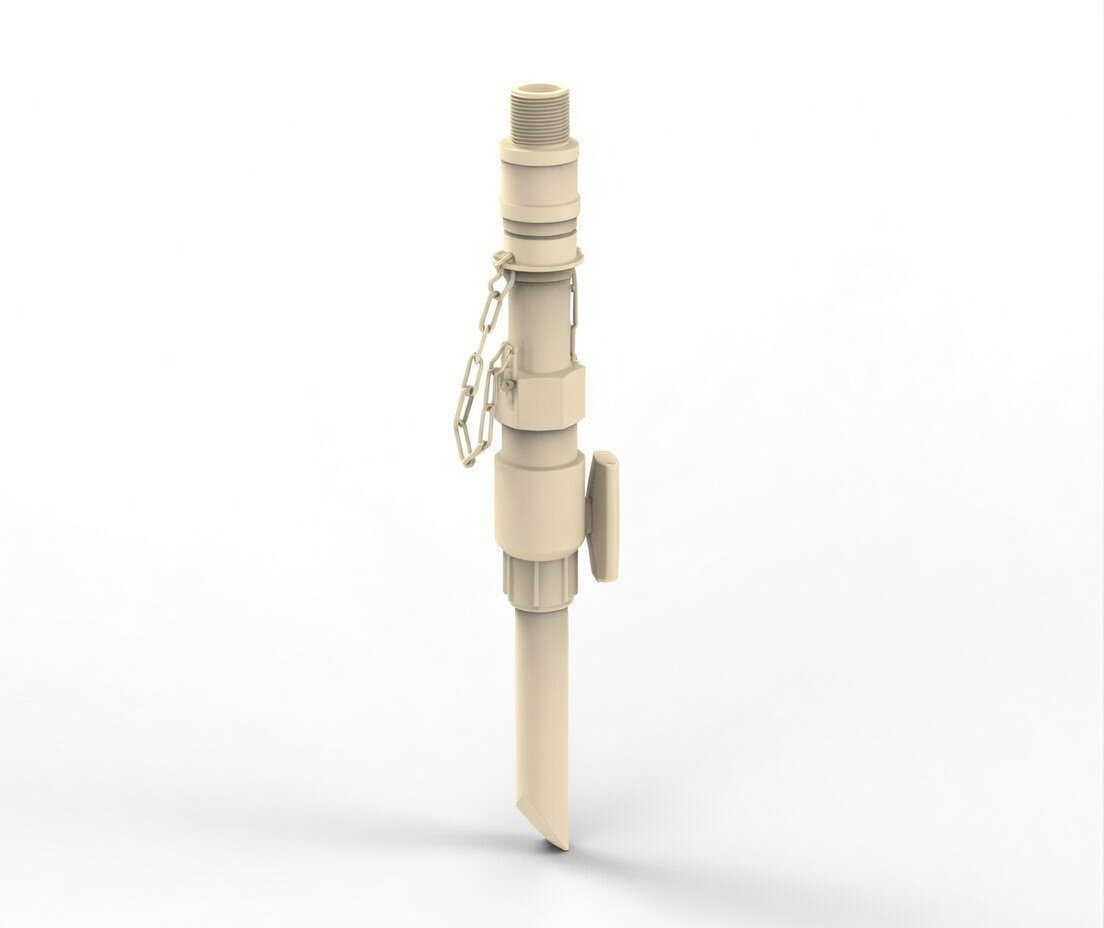
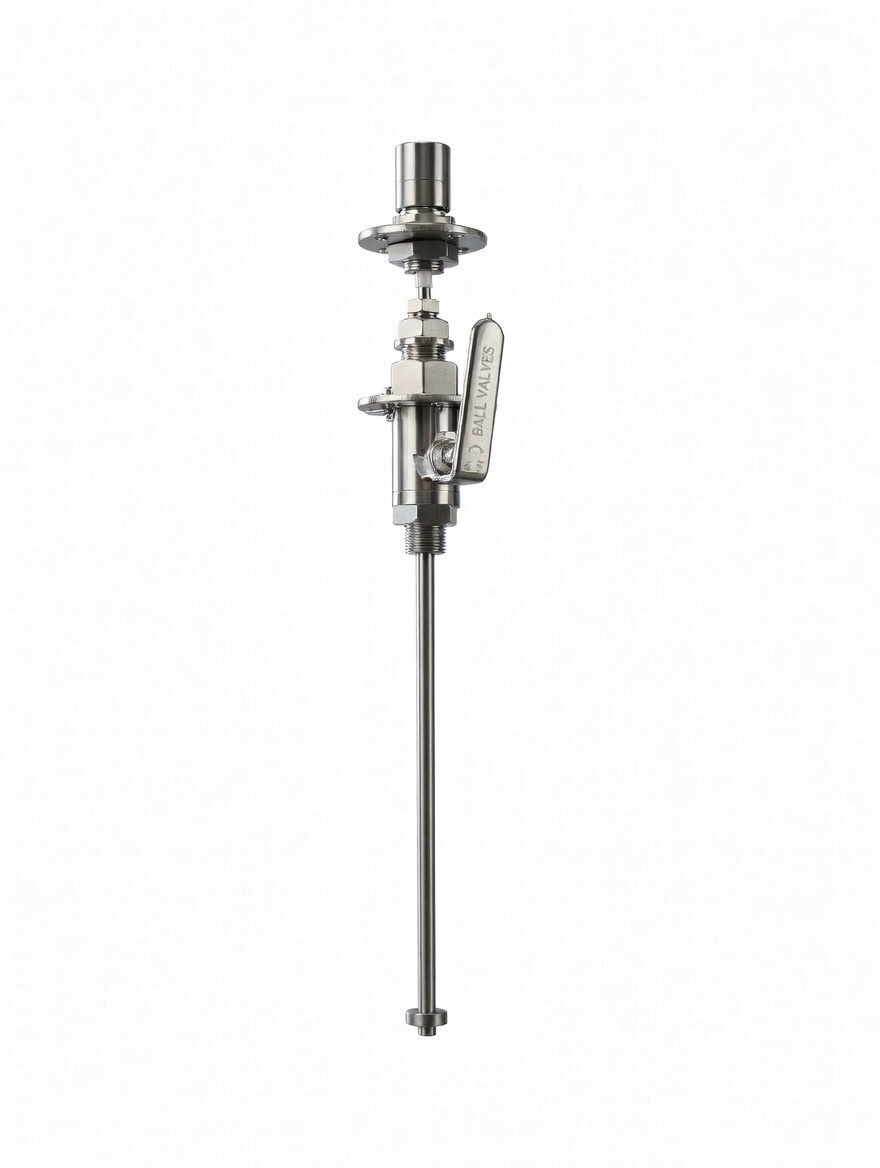
Main Components Body, retractable tube, and nozzle/diffuser at the tip
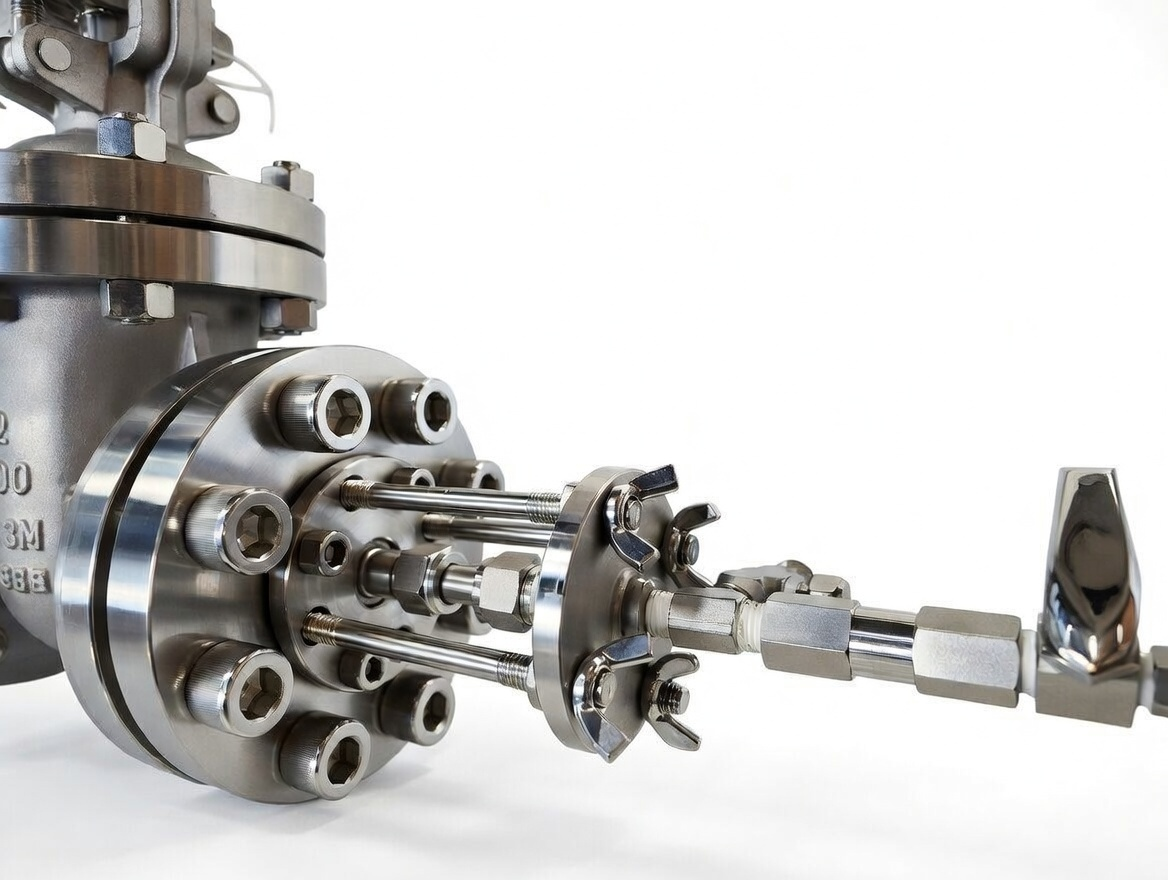
Sealing System Packing gland or double-block and bleed system to prevent leaks
Safety Features Check valves to prevent backflow into the chemical supply line
Operation The tube can be extended into the process stream or fully retracted for maintenance and inspection

Retractable injection quills are commonly used in industries such as water treatment, oil & gas, and chemical processing.
They are designed to operate under high pressure and temperature conditions while minimizing risk and maintaining uninterrupted process continuity.

Their ability to allow safe retraction and insertion without shutting down the system makes them a vital component in modern chemical dosing applications.

Retractable Injection Quills

Safe, Precise & Maintenance-Friendly Chemical Injection

Retractable injection quills are essential devices that allow operators to safely inject chemicals and additives into pressurized pipelines.
Furthermore, these quills enable precise and even distribution of corrosion inhibitors, biocides, or pH adjusters while protecting the pipeline from localized damage. As a result, they help maintain system integrity and safety. In addition, the retractable design lets operators insert or remove the quill without shutting down the process. Consequently, retractable injection quills have become the preferred choice for continuous operations where minimizing downtime is critical. Moreover, industries such as chemical processing, water treatment, oil & gas, and pharmaceutical manufacturing rely on them for efficient chemical dosing.

Key Components

Component Description & Function
Injection Nozzle / Probe The tip that enters the process stream. Designed for optimal dispersion and made from corrosion-resistant materials such as 316 Stainless Steel, Hastelloy, or Titanium.
Body & Housing Provides structural support and contains the retraction mechanism. Includes safety features like pressure relief and protective coatings.
Sealing Mechanism O-rings, gaskets, or mechanical seals that prevent leaks under pressure. Critical for safety and preventing contamination.
Retractable Mechanism Allows the quill to be safely withdrawn from the pipeline without depressurizing the system. Can be manual, pneumatic, or hydraulic.
Connection Ports Threaded, flanged, or specialized fittings for connecting to the chemical feed line. Designed to handle pressure fluctuations and chemical compatibility.

Operating Principle

Installation: The quill is mounted on the pipeline at a point with good flow characteristics.

Injection: The nozzle is extended into the center of the process stream for even distribution of the chemical.

Retraction: The quill can be safely retracted for cleaning, inspection, or replacement without shutting down the line.

Conclusion

Retractable injection quills serve as an essential tool for industries that require precise chemical injection into pressurized systems.
Furthermore, operators can retract these quills without interrupting operations, which delivers significant benefits in safety, reduced downtime, and maintenance efficiency. In addition, manufacturers build them with corrosion-resistant materials and offer customizable options. As a result, they provide long-term reliability and consistent performance across demanding industrial processes.
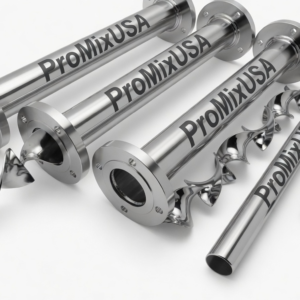
Weight 5 lbs
Dimensions 12 × 3 × 3 in
Connection Size

1/2", 3/4", 1"

Connection Ends

Threaded (MNPT), Flanged (RF150), Tri-Clamp (Sanitary)

Tube Material

PVC, CPVC, 304SS, 316SS

Insertion Length

2", 4", 6", 8, 10", 12"

Tip Configuration

Standard, 45 Bevel

Check Valve

Included

Check Valve Seal

EPDM, Kalrez 6375, FKM

Quill Tether

Included

Isolation Valve

Included

Valve Material

304SS, 316SS, Alloy C, Alloy 20, Duplex 2205, Super Duplex, Brass

Option Materials

Alloy C276, Alloy 20, Titanium Gr.2

Optional Probe Lengths

18", 24", 36"

Specifications

Parameter Standard Specification Options / Notes
Model RQ-Series Retractable Injection Quill Heavy-duty industrial design
Wetted Materials 316 Stainless Steel (Standard) Hastelloy C-276, Titanium, Alloy 20 available
Process Connection 1″ NPT Male Threaded 1½” NPT or Flanged (ANSI 150# / 300#) optional
Maximum Operating Pressure 1500 PSI (103 bar) at 100°F (38°C) Pressure derates with temperature
Maximum Operating Temperature 400°F (204°C) with PTFE packing 600°F (316°C) with Grafoil packing available
Quill Insertion Length 12″ to 48″ (custom lengths available) Custom fabricated to suit pipe size
Recommended Insertion Depth 1/3 to 1/2 of internal pipe diameter For optimal chemical dispersion
Packing / Seal Material PTFE V-Ring (Standard) Live-loaded gland optional
Check Valve Integral 316 SS Spring-Loaded Check Valve Cracking pressure: 5–10 PSI
Retraction Capability Full retraction beyond isolation valve Allows safe removal while line is pressurized
Pipe Size Compatibility 2″ to 24″ process lines Larger sizes available on request
Standards Compliance ASME B31.3, ASTM, NACE MR0175 (optional) PED / CE certification available

Note: All specifications are for standard RQ-Series retractable injection quills. Custom designs for higher pressure, exotic materials, or special lengths are available upon request. Always verify material compatibility with your process fluid before installation.

Pressure Drop

Pressure Drop Across Retractable Injection Quill

Retractable Injection Quill – ½” Chemical Inlet (Typical Design)
Process Line: Water (1 cP) at 68°F (20°C) • Quill Insertion: Center of 6″ Pipe

Typical Pressure Drop vs. Chemical Injection Flow Rate

Injection Flow Rate (GPH)  |  Pressure Drop (psi)
─────────────────────────────────────────────
5                |    2.5
10                |    6.0
20                |   11.5
30                |   18.0  ← Typical Design Point
40                |   25.5
50                |   34.0
60                |   43.5

Common design target: 7 – 10 bar (100 – 145 psi) differential pressure for reliable injection and good dispersion.
Actual ΔP depends on quill orifice size, nozzle design, process line velocity, and required injection rate.

Key Notes on Pressure Drop for Retractable Injection Quills

  • The pressure drop shown is the differential pressure required between the chemical injection pump discharge and the process line pressure to achieve the desired injection flow rate.
  • A common industry rule-of-thumb is to design for approximately **7 bar (100 psi)** differential to ensure reliable injection and good mixing/dispersion into the main process stream.
  • Retractable quills often include a check valve or nozzle/orifice at the tip, which adds resistance and contributes to the overall pressure drop.
  • Higher process line velocity improves dispersion but can slightly affect the effective pressure differential needed.
  • For low-flow applications, smaller orifices increase pressure drop; for high-flow, larger orifices or multi-hole designs reduce it.
  • Always verify exact pressure drop with the manufacturer for your specific quill model, orifice configuration, and fluid properties.

Retractable injection quills are designed so the chemical is introduced into the center of the pipeline for optimal mixing.
The pressure drop across the quill (including nozzle/check valve) is a critical design parameter to ensure the injection pump can deliver the required chemical flow rate against the process line pressure.

For precise calculations tailored to your flow rate, process pressure, viscosity, and quill model, consult the manufacturer’s data or request a custom performance curve.

Installation

Step Installation Procedure Tools / Materials Required Responsible Person Safety Notes
1 Verify the quill model matches the application (pressure rating, material compatibility, length, and injection point requirements) Quill specification sheet, pressure rating certificate Installation Supervisor Confirm chemical compatibility before installation.
2 Shut down the process line, isolate, depressurize, and lockout/tagout (LOTO) the section where the quill will be installed Lockout/Tagout kit, blinds, pressure gauges Qualified Technician Ensure zero energy state before starting.
3 Prepare the installation location: Drill and tap the pipe (or weld the nozzle) at the correct angle and orientation. Ensure the nozzle is perpendicular to the flow Drill, tap set, welding equipment (if required), thread sealant Pipefitter / Welder Follow ASME B31.3 or applicable piping code.
4 Apply thread sealant or gasket to the quill mounting connection. Install the quill body into the nozzle and tighten to the specified torque PTFE tape or approved sealant, torque wrench Technician Do not overtighten. Use manufacturer-recommended torque values.
5 Insert the retractable quill to the correct depth (typically 1/3 to 1/2 of the pipe internal diameter). Align the quill tip in the direction of flow Depth gauge or manufacturer marking Installation Team Ensure quill does not touch the opposite wall.
6 Tighten the packing gland nut to the recommended torque. Install any safety chains or locking devices Torque wrench, manufacturer torque specs Technician Check for smooth retraction before pressurizing.
7 Slowly pressurize the line and perform leak checks around all connections and the packing gland Pressure gauge, leak detection solution Installation Supervisor Use appropriate PPE. Monitor for 30 minutes minimum.
8 Document the installation details, torque values, insertion depth, and initial test results in the equipment log Installation checklist, photos All Personnel Include serial number and date of installation.

Important Note: Always refer to the manufacturer’s specific installation manual for your retractable injection quill model. Ensure all work complies with site safety standards, piping codes, and chemical handling procedures. Improper installation can lead to leaks, quill failure, or process contamination.

Maintenance

Step Maintenance Procedure Frequency Responsible Person Safety Notes
1 Visually inspect the quill, packing gland, and connections for leaks, corrosion, or damage Daily / Before each shift Operator Wear PPE. Do not proceed if leaks are present.
2 Retract the quill fully, close the isolation ball valve, and flush the quill with compatible solvent or water to remove chemical residue Weekly Maintenance Technician Depressurize and bleed off trapped chemical safely before retraction.
3 Clean the injection tip, nozzle, and internal tube. Remove any scaling, deposits, or blockages (use rodding if necessary) Monthly Maintenance Team Ensure quill is fully retracted and isolated.
4 Inspect and lubricate packing gland, O-rings, and moving parts. Replace worn seals or packing as needed Quarterly Certified Technician Use manufacturer-approved lubricant only.
5 Verify insertion depth (quill should extend to 1/3 – 1/2 of pipe diameter) and check check-valve operation Every 6 Months Maintenance Supervisor Confirm proper orientation and no backflow.
6 Perform full retraction test and re-insertion under pressure (if safe). Check for smooth operation and leaks Annually or after major shutdown Qualified Technician Follow manufacturer’s safe retraction/insertion procedure.
7 Document all findings, parts replaced, and tests performed. Update maintenance log After every maintenance Maintenance Team Include photos if possible.

Note: Always follow the specific manufacturer’s manual for your retractable injection quill model. Use appropriate PPE and ensure proper isolation and depressurization before any maintenance. Consult a qualified technician for high-pressure systems.

Q&A

Question Answer
What is a retractable injection quill? A retractable injection quill is a specialized device used to inject chemicals into pressurized pipelines or vessels. It can be safely retracted behind an isolation valve for maintenance or replacement without shutting down the process line.
How does a retractable injection quill differ from a fixed quill? Unlike fixed quills that are permanently installed, retractable quills feature a movable inner tube and packing gland system. This allows the quill to be fully retracted for cleaning, inspection, or replacement while the process remains operational.
What are the main benefits of using retractable quills? Key benefits include reduced downtime, improved safety by minimizing chemical exposure, easier maintenance, adjustable insertion depth, and the ability to perform maintenance under pressure in many applications.
In which industries are retractable injection quills commonly used? They are widely used in Oil & Gas, Petrochemical, Refining, Water Treatment, Power Generation, Chemical Processing, Pulp & Paper, Mining, and Food & Beverage industries.
What materials are typically used for retractable injection quills? Standard wetted parts are 316 Stainless Steel. Exotic materials such as Hastelloy C-276, Titanium, and Alloy 20 are available for highly corrosive applications.
What is the typical pressure and temperature rating? Most standard models are rated up to 1500 PSI (103 bar) at 100°F. Temperature ratings reach 400°F (204°C) with PTFE packing and up to 600°F (316°C) with Grafoil packing.
How often should retractable injection quills be maintained? Daily visual inspections are recommended. Full maintenance (cleaning, seal inspection, and lubrication) is typically performed monthly to quarterly, depending on the aggressiveness of the injected chemical and operating conditions.
Can retractable quills be used in high-pressure applications? Yes, many models are designed for pressures up to 1500 PSI or higher. However, always verify the specific model’s pressure rating matches your process conditions and follow manufacturer guidelines for safe retraction under pressure.
What safety precautions are necessary when retracting a quill? Always wear appropriate PPE, fully isolate and depressurize when possible, follow lockout/tagout procedures, bleed off trapped pressure, and strictly adhere to the manufacturer’s retraction procedure. Never force the quill if resistance is felt.
How do I determine the correct insertion depth? The recommended insertion depth is typically 1/3 to 1/2 of the internal pipe diameter. This ensures optimal chemical dispersion while preventing the quill from touching the opposite pipe wall. Exact depth should be confirmed with process engineers and manufacturer recommendations.
Are retractable quills more expensive than fixed quills? Yes, retractable quills have a higher initial cost due to their more complex design. However, they often provide significant long-term savings by reducing downtime, improving safety, and extending overall system reliability.
What should I consider when choosing a retractable injection quill? Key factors include process pressure and temperature, chemical compatibility with materials, pipe size, required insertion length, frequency of maintenance, safety requirements, and total cost of ownership. Consulting with the manufacturer for your specific application is highly recommended.

Note: Always refer to the specific manufacturer’s installation, operation, and maintenance manual for your retractable injection quill model. Proper selection, installation, and maintenance are critical for safe and reliable performance.

Advantages / Disadvantages

Advantages Disadvantages
  • Allows insertion and removal without shutting down the process line
  • Reduces downtime and maintenance costs significantly
  • Enables safe retrieval for inspection, cleaning, or replacement
  • Provides flexibility to adjust injection depth as needed
  • Minimizes exposure of personnel to hazardous chemicals
  • Excellent for continuous chemical injection applications
  • Can be used in high-pressure systems with proper procedures
  • Higher initial purchase cost compared to fixed quills
  • More complex design with additional moving parts and seals
  • Requires regular maintenance of packing gland and seals
  • Potential for leaks if packing is not properly maintained
  • Heavier and bulkier than standard fixed injection quills
  • Installation requires more space around the pipeline
  • Operator training is necessary for safe retraction procedures

Note: Retractable injection quills are ideal when minimizing process downtime is a priority. Proper training, regular maintenance, and adherence to manufacturer guidelines are essential to maximize benefits and ensure safe operation.

Applications

Industry / Application Typical Chemicals Injected Purpose / Benefits
Oil & Gas Production Corrosion inhibitors, scale inhibitors, demulsifiers, H₂S scavengers Prevents pipeline corrosion and scaling in wellheads and flowlines
Petrochemical & Refining Antifoulants, neutralizers, corrosion inhibitors Protects heat exchangers, towers, and piping from fouling and corrosion
Water Treatment & Wastewater Coagulants, flocculants, pH adjusters, disinfectants (chlorine, sodium hypochlorite) Ensures uniform chemical distribution in large pipelines and tanks
Chemical Processing Catalysts, reactants, additives Precise injection into reactors and mixing lines
Power Generation (Cooling Water) Biocides, scale & corrosion inhibitors, oxygen scavengers Maintains efficiency of cooling towers and condensers
Pulp & Paper Industry Bleaching agents, sizing chemicals, retention aids Improves process control and reduces downtime
Food & Beverage Processing Sanitizers, pH regulators, preservatives Ensures hygienic and uniform chemical addition
Mining & Mineral Processing Flotation reagents, pH modifiers, cyanide detoxifiers Enhances recovery rates and protects equipment

Note: Retractable injection quills allow safe insertion and removal without shutting down the process line, making them ideal for continuous operations where downtime must be minimized. Always select materials and pressure ratings according to the specific process conditions.

Downloads

Drawings

You may also like…