
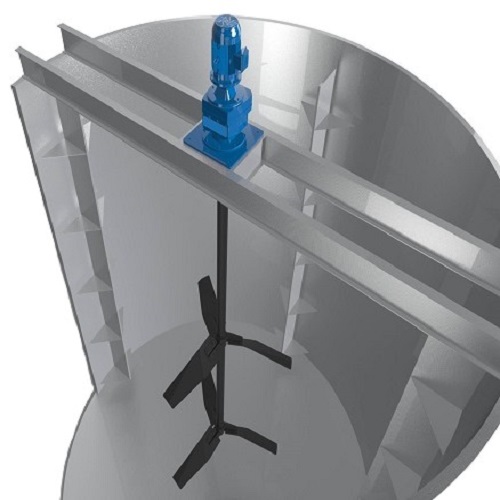
Baffles Needed?
Baffles are very good for low viscosity fluids, but the vessel typically requires a top-mounted, Vertical type mixer in order to achieve the optimal axial flow pattern. If you have High or Medium viscosity fluids, baffles may not be required as there may be enough resistance for the mixer to impose its torque on the fluid. Furthermore, for fluids with viscosities less than 10,000 cps, you should have three or four baffles located 90-120° apart. The number of baffles should equal the number of impeller blades. Baffles are especially needed with top-side entry mixers.
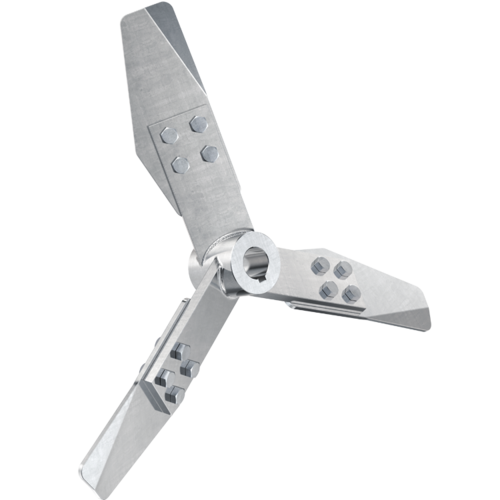
Multiple Impellers with Tank Mixer FAQs
The use of multiple impeller systems is governed by the liquid level and the tank diameter. In addition, when the liquid level is 1.3 times that of the tank diameter or greater, we usually require two impellers. Finally, the Specific Gravity of the fluids mixed or if they are hydrophobic, are another consideration.
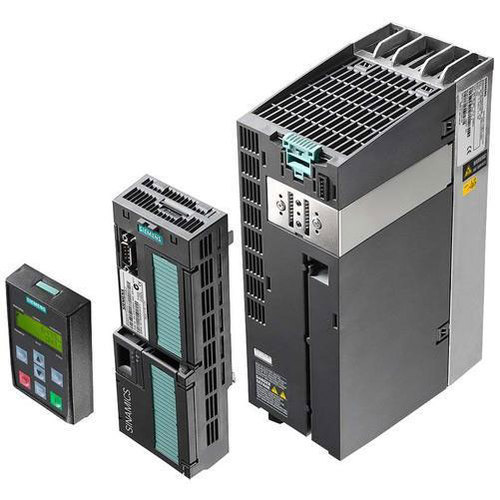
Benefits of VFD's
Variable Frequency Drives or VFD's on mixers offer a lot of speed control and flexibility. In addition, it is a combined system that has built in protection and high torque starting. Finally, as product is filled or discharged, different speed control will assist in the reduction of splashing and Energy usage.
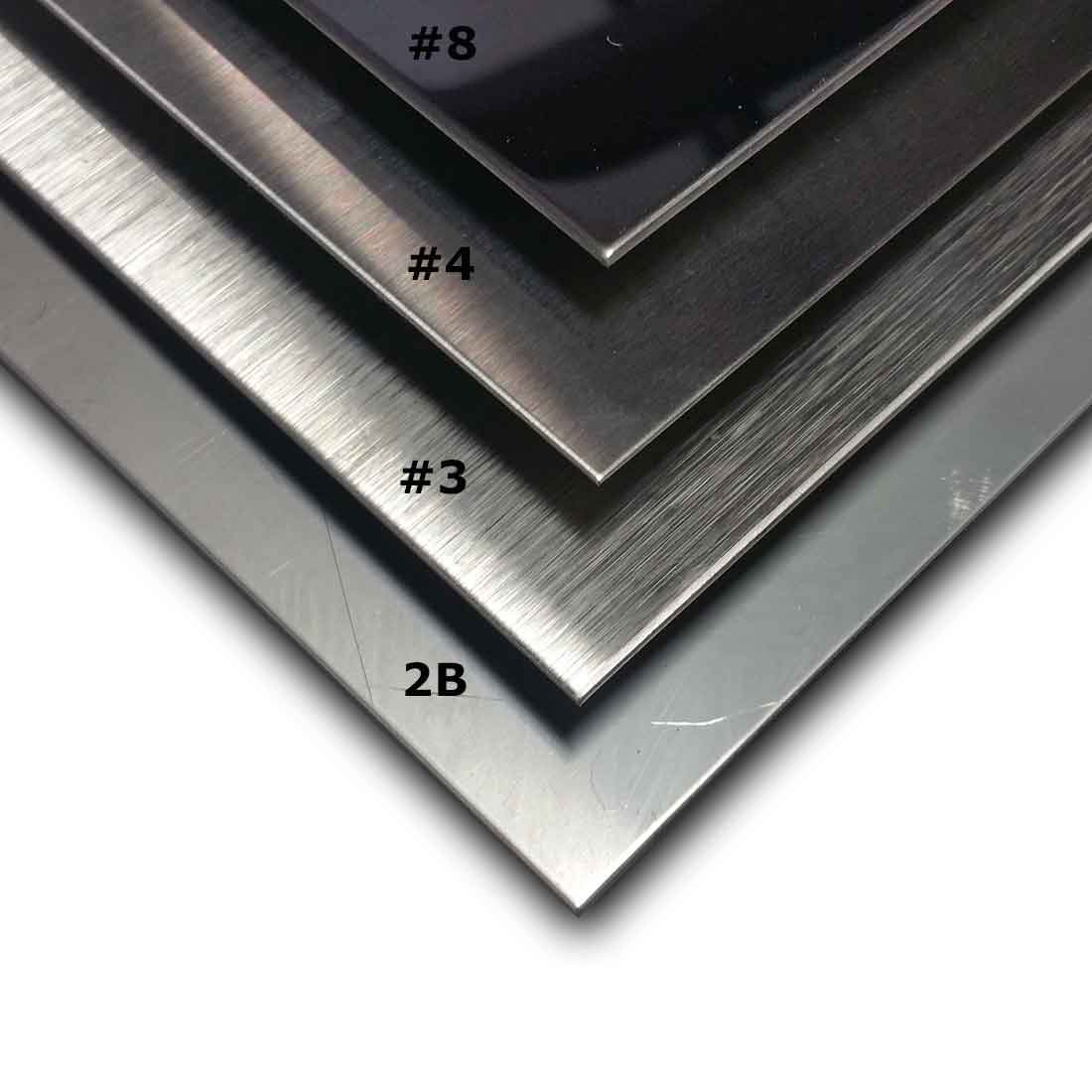
Finishes Available
#2B: An annealed, pickled and cold rolled
finish for sheet steel that includes a final
pass using polished rollers. standard
finish mixing vats. In addition,
#4: Surface finish values are from 20 to 40
Ra (micro-inches) and are specified for
wetted parts in many
pharmaceutical applications. Also,
#7 - #8: Surface finish values are generally
less than 25 Ra (micro-inches) and are free from pits or voids. Finally, these finishes are
specified where stringent sanitary
equipment operation is required.
Electropolish: A shiny, highly reflective finish achieved through an electrochemical process.
Motor Horsepower
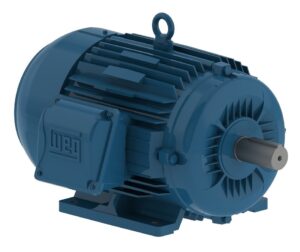
The horsepower required is a function of the impeller type, impeller diameter, specific to gravity of the product being mixed, and the RPM of the shaft. Also, this is a lot to process at one time, so our engineers have put together pre-engineered mixers that will deliver the right amount of HP when you choose the correct impeller size and type. (See “What is the difference in impellers?” above.) However, if your application has some unique product demands (high viscosity, high specific gravity, etc.) please contact our sales department and we will be glad to help you properly size your mixer for your application.
Mechanical Seals
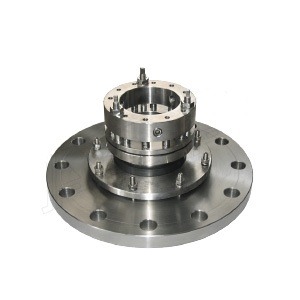
The determination of the seal is affected by
the pressure and temperature in the tank,
the speed of the mixer, lubrication options
and the cleanability requirements specific
to the product and the mixing environment.
Finally, please contact our inhouse engineering
team for the proper mechanical seal
for your application.