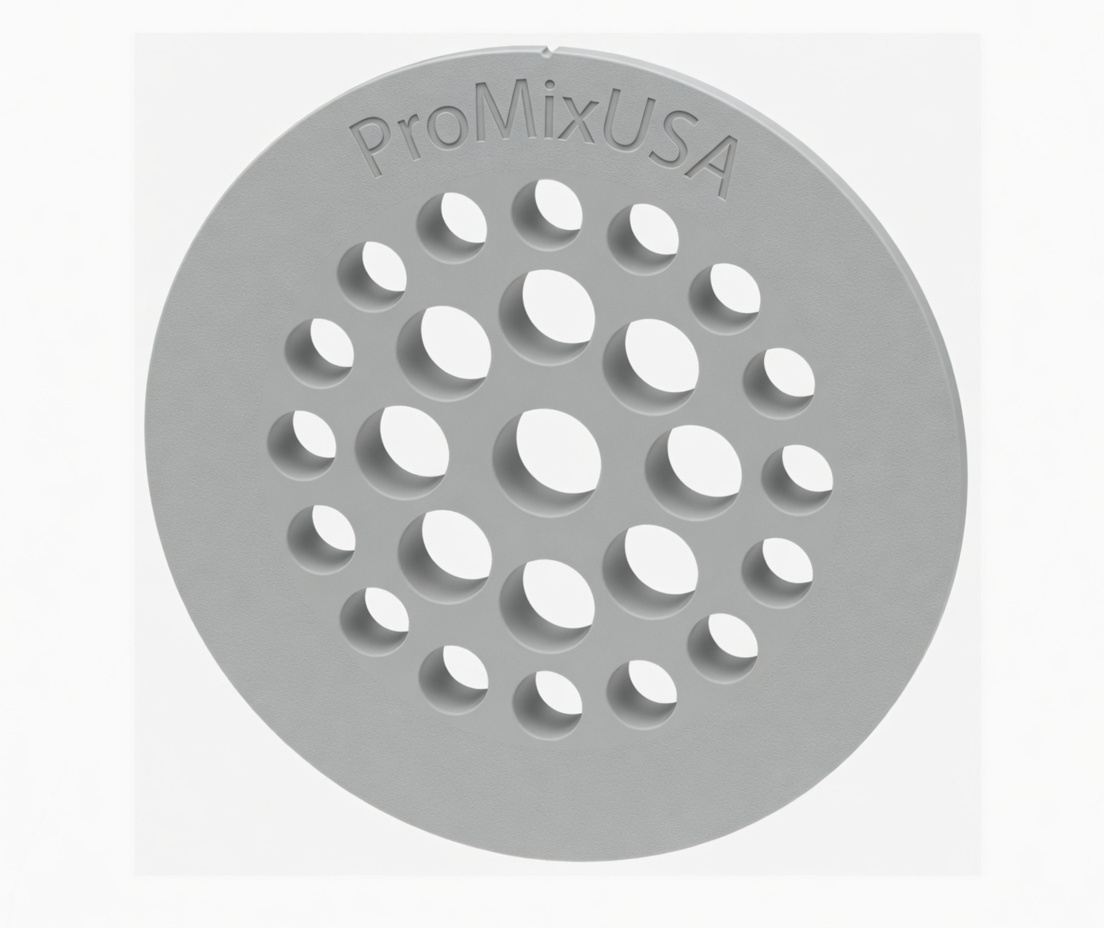
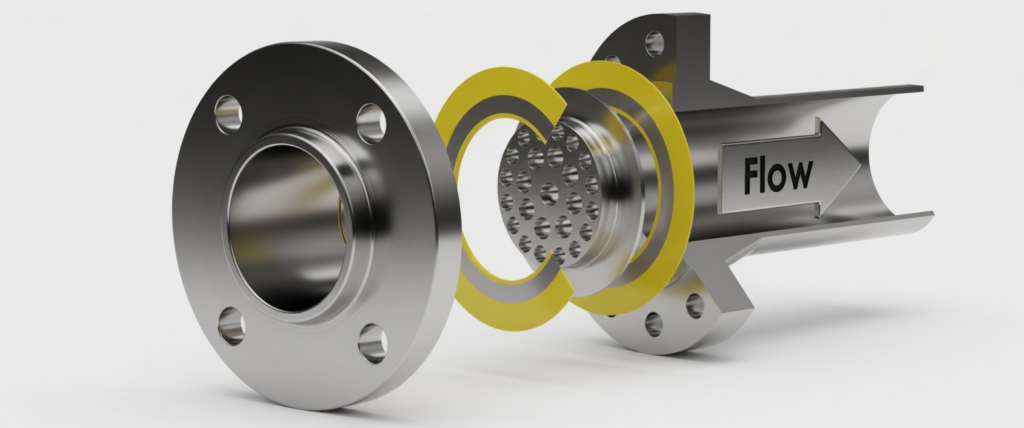
, ,

Flow Conditioners

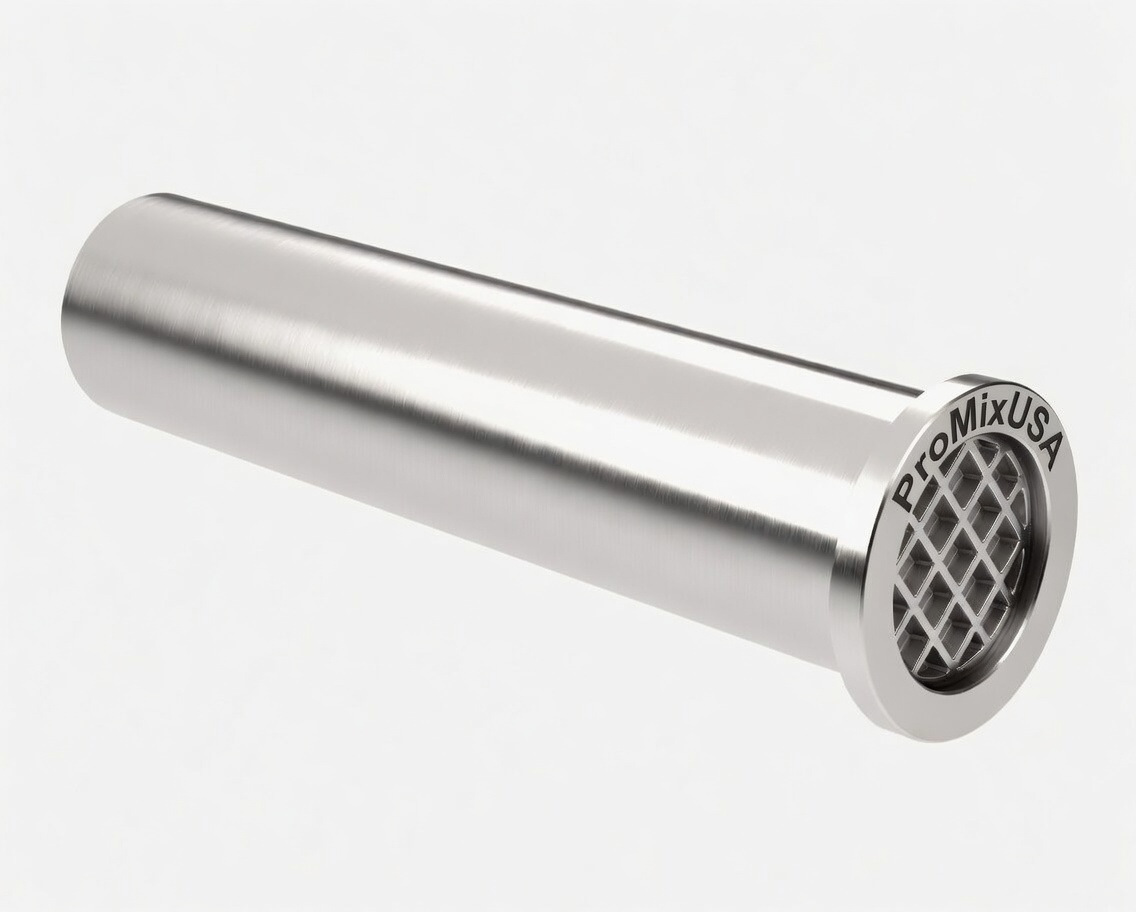
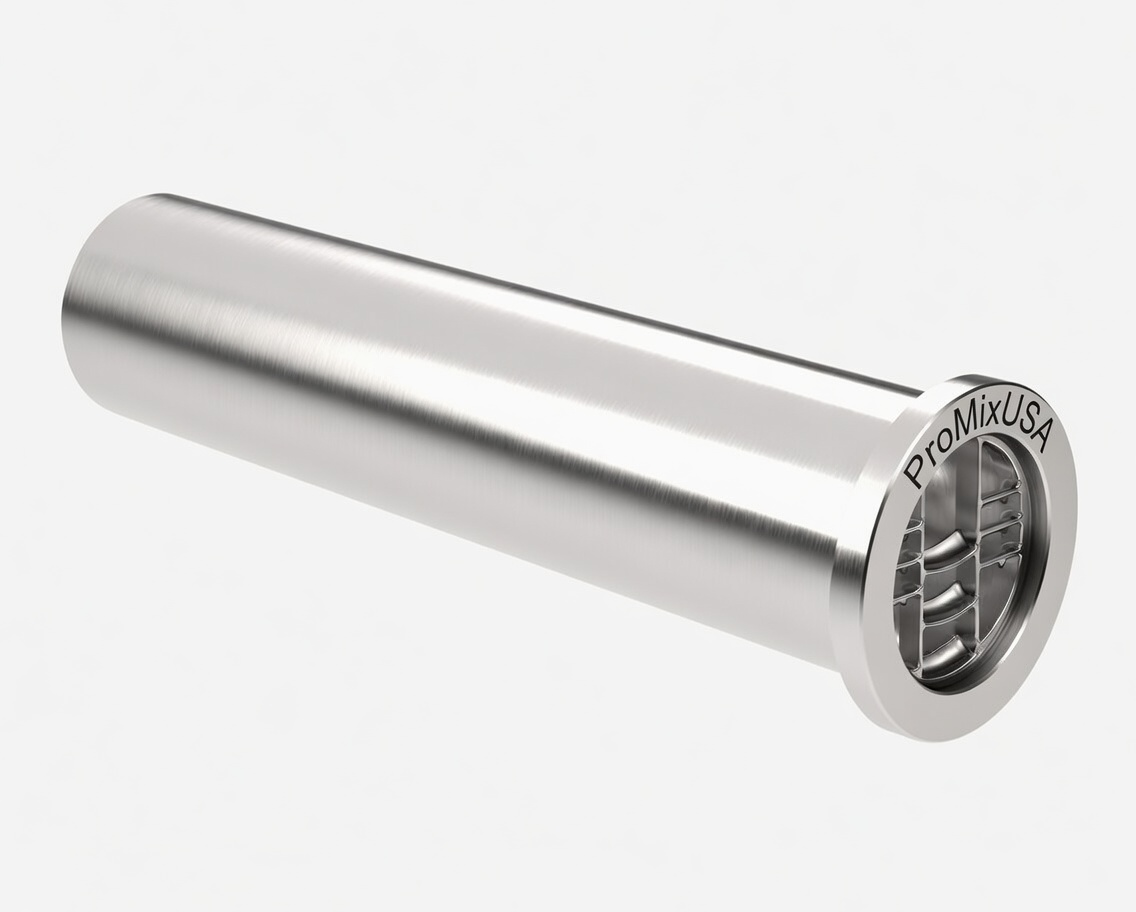
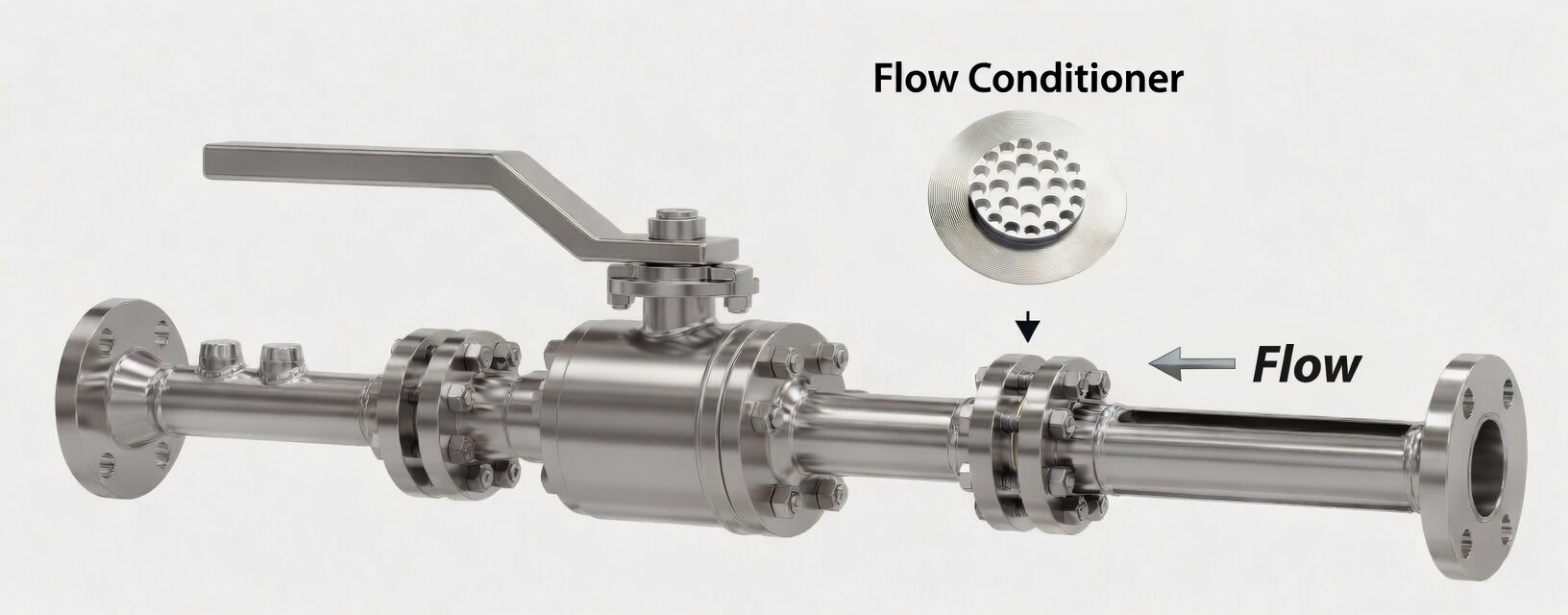
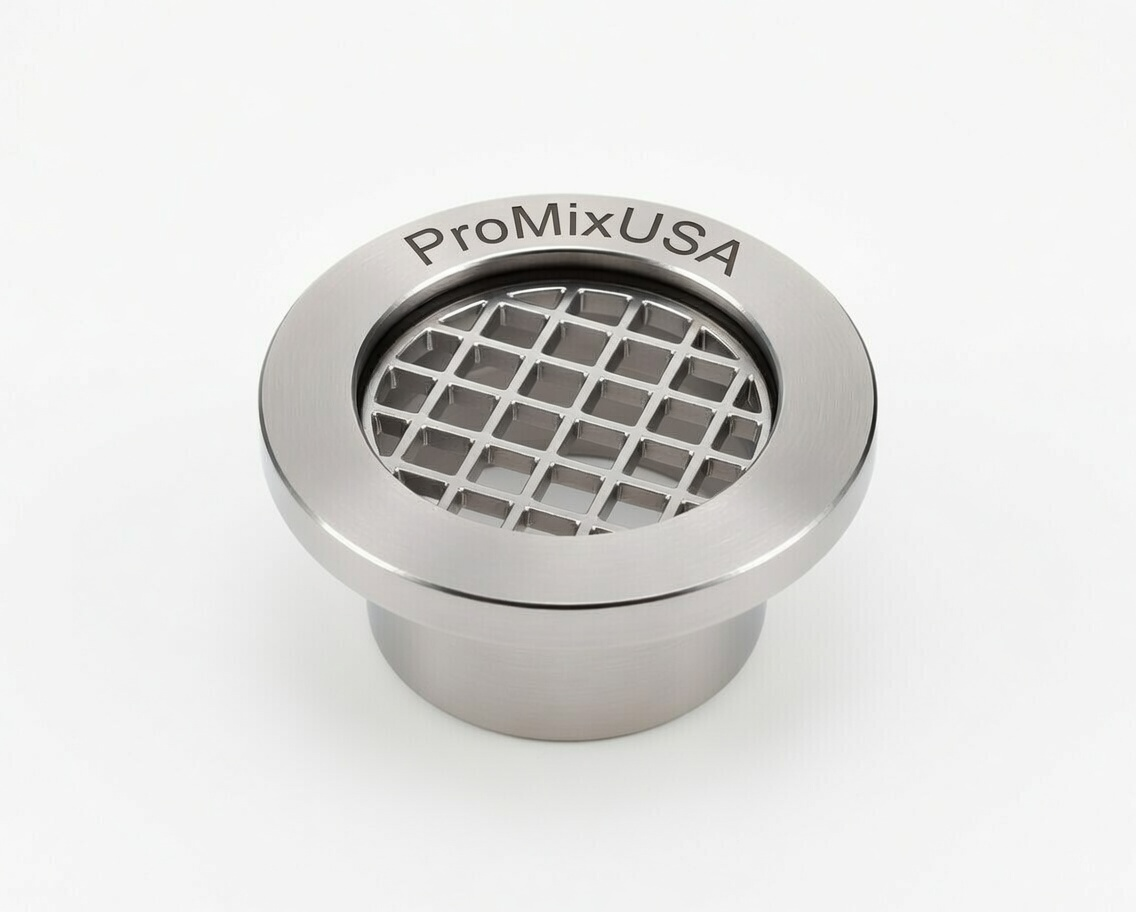
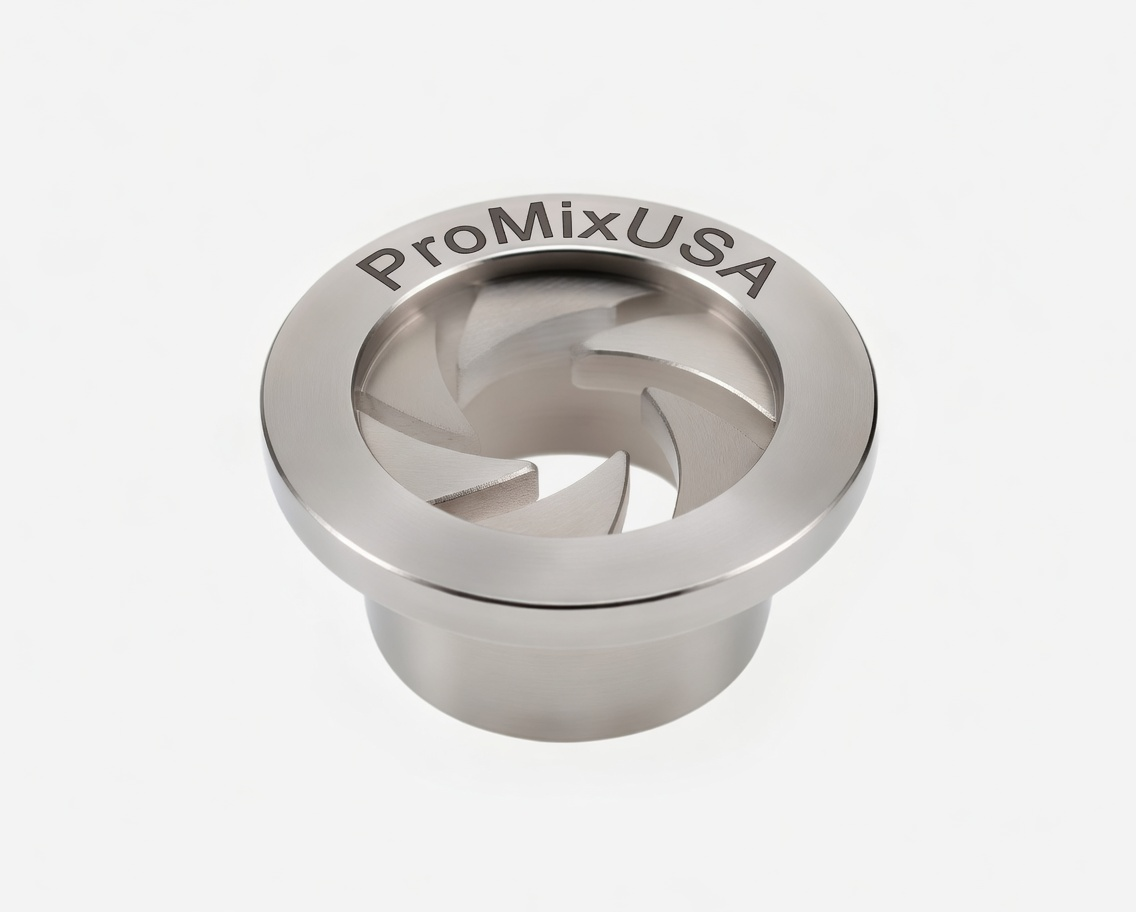
Flow Conditioners are inline devices designed to eliminate swirl, turbulence, and distorted velocity profiles in pipelines.
They create a uniform, fully developed flow upstream of flow meters and other sensitive equipment, significantly improving measurement accuracy.

What Are Flow Conditioners?

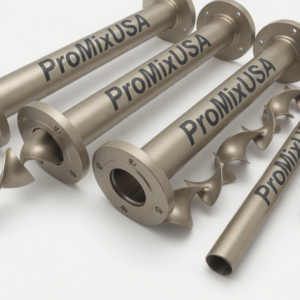
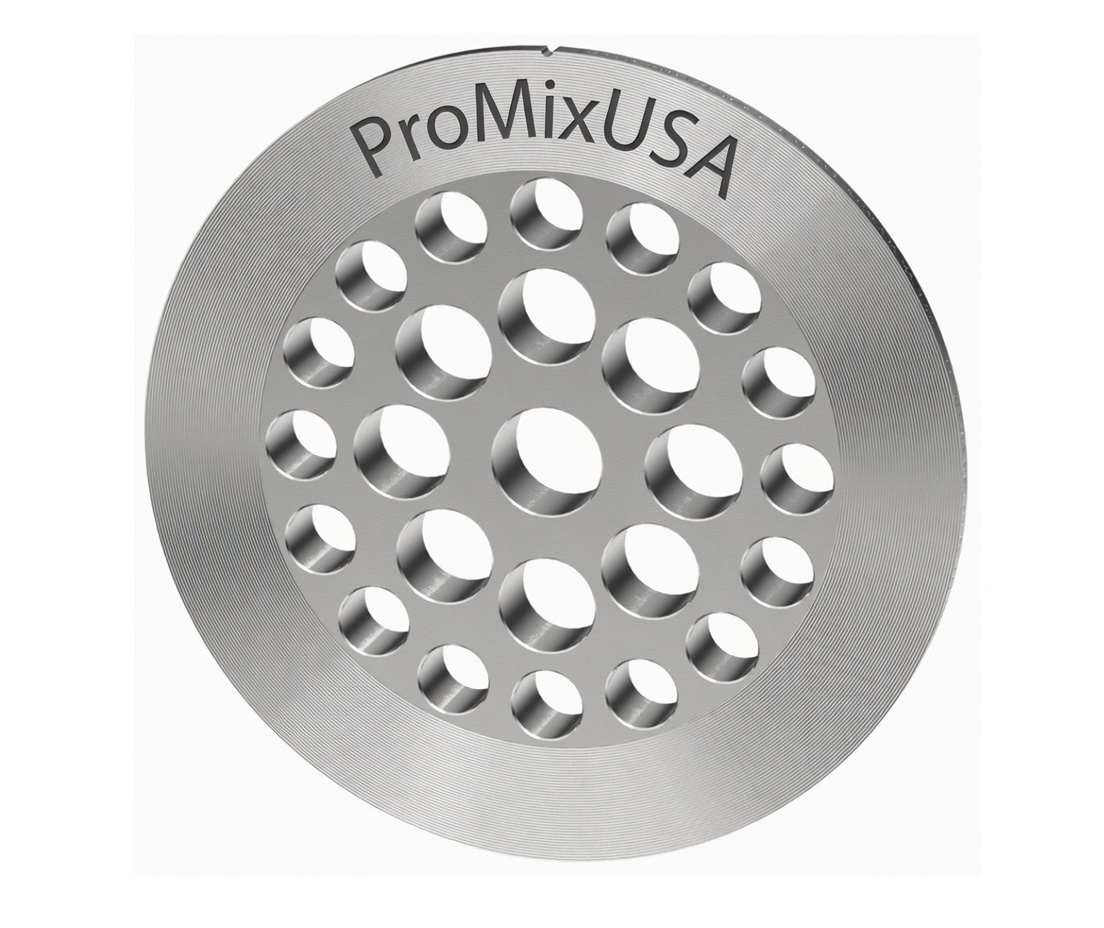
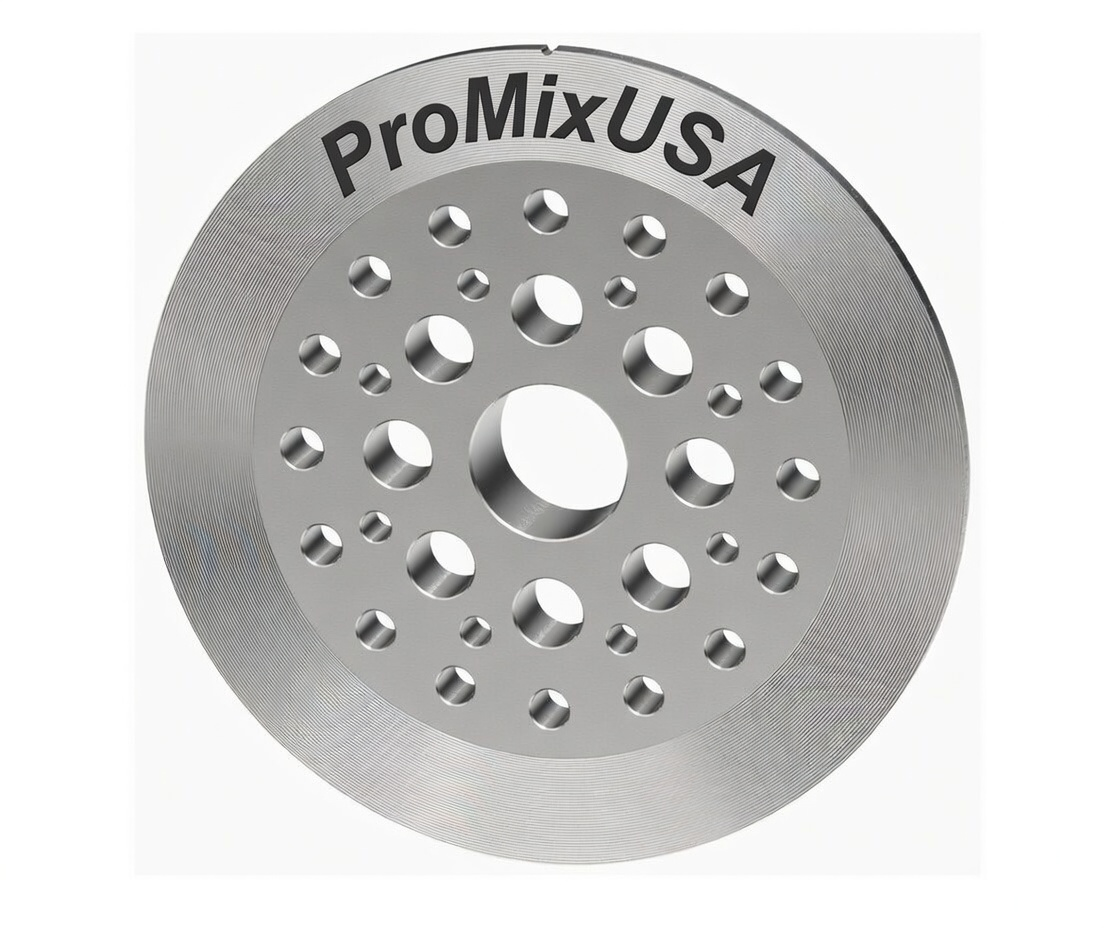
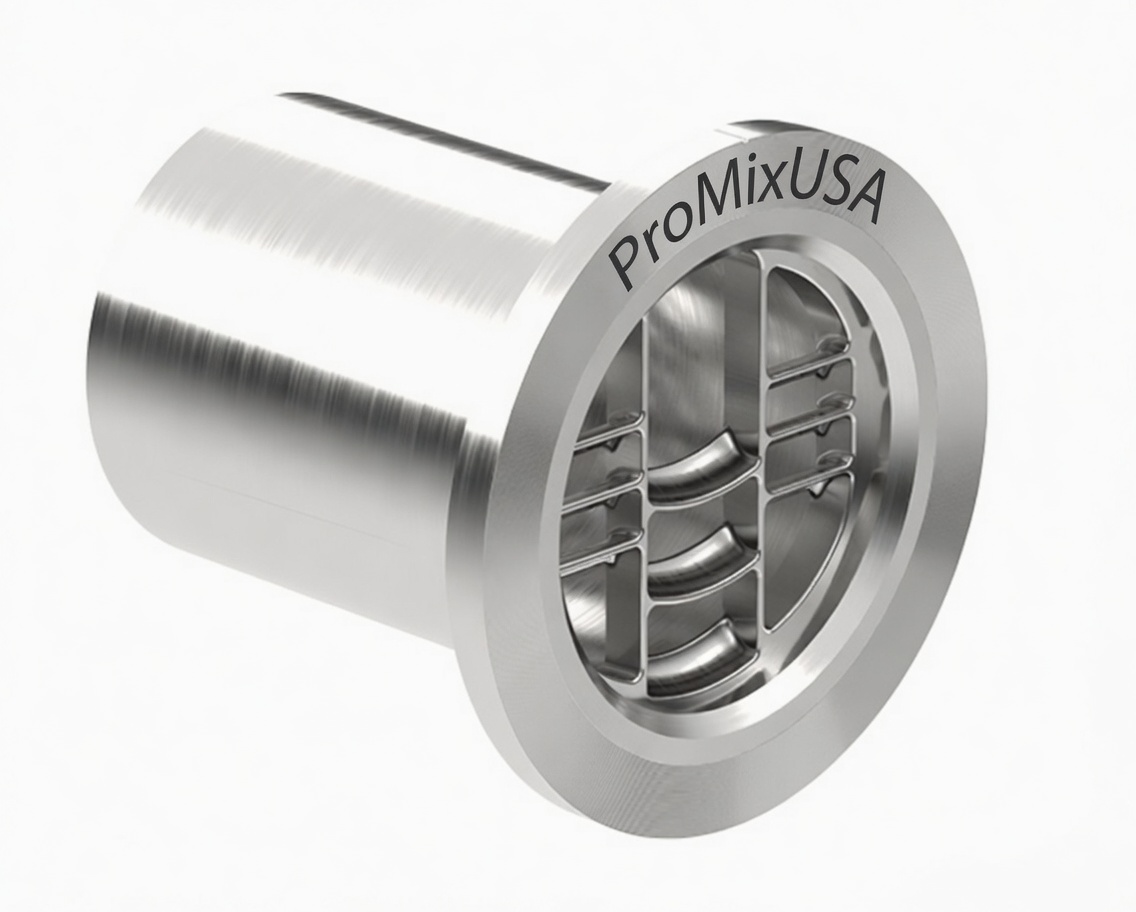
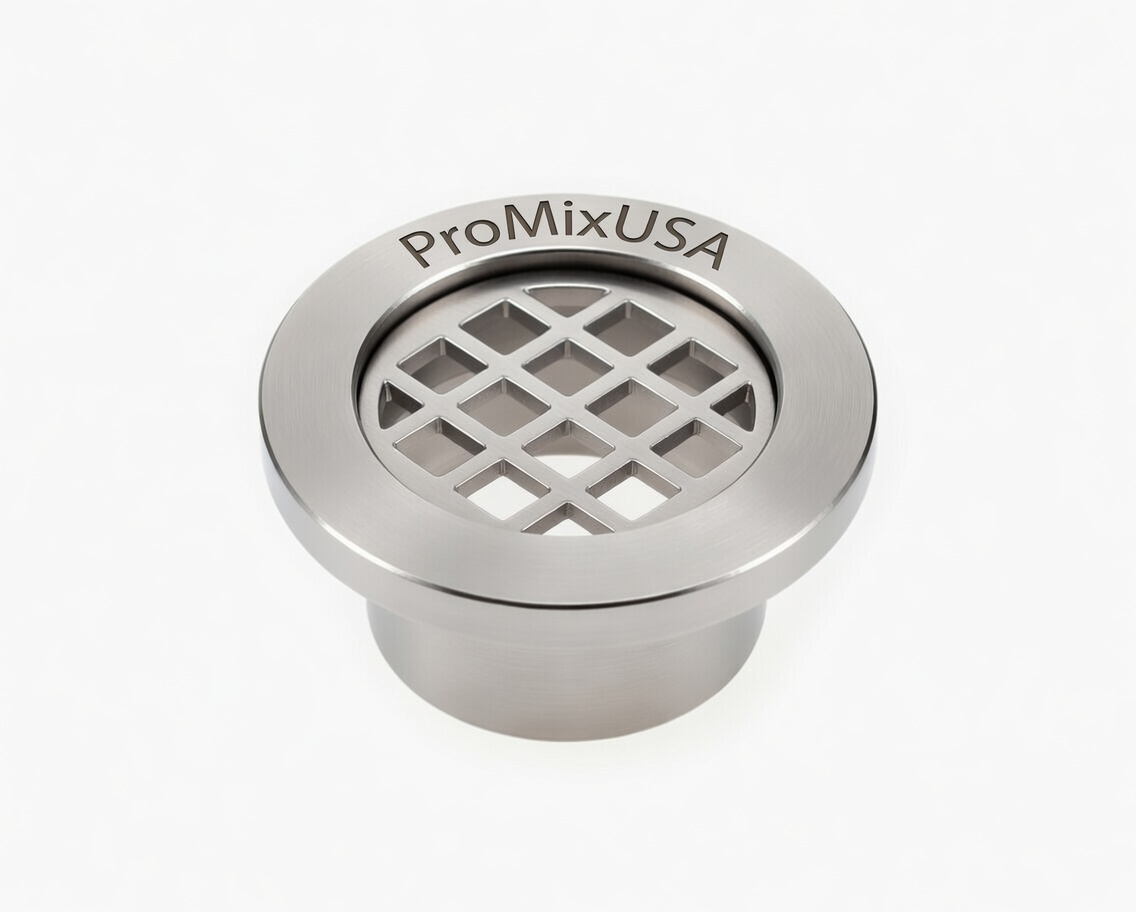
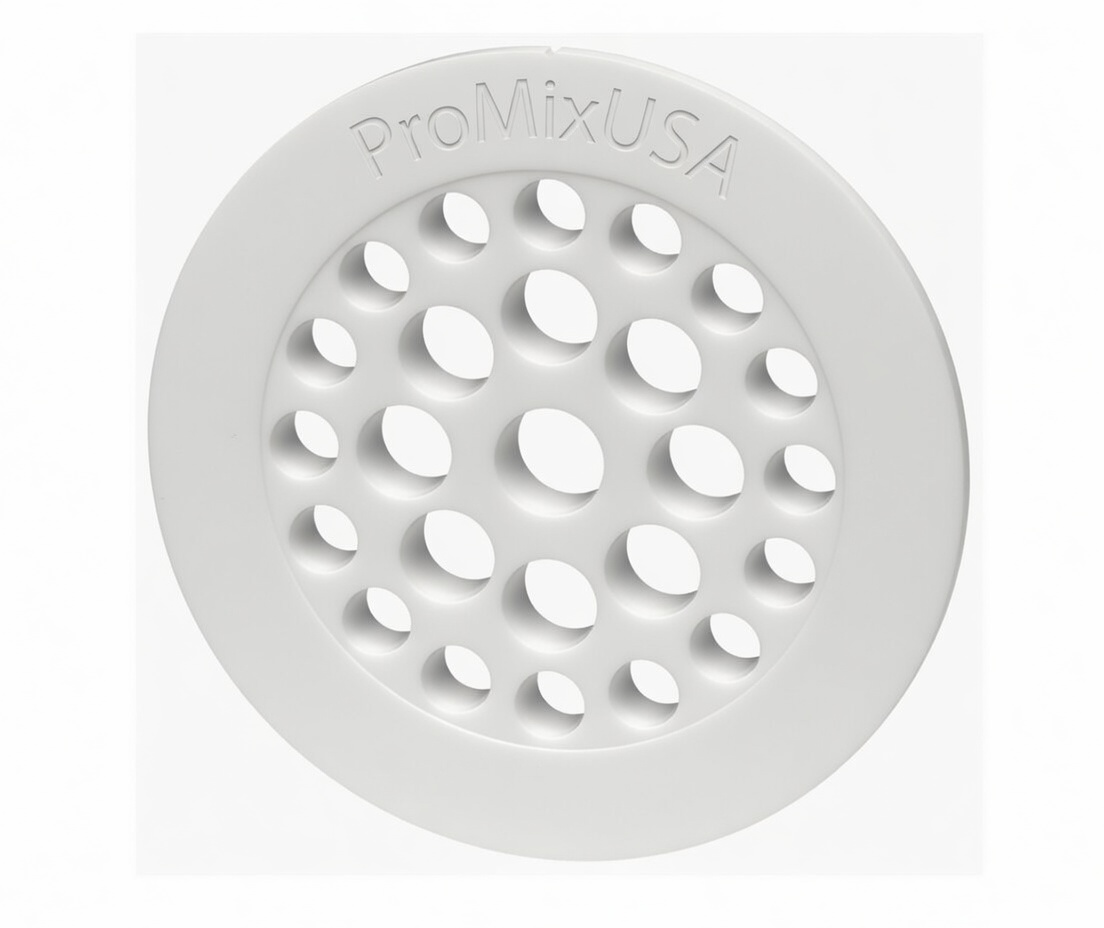
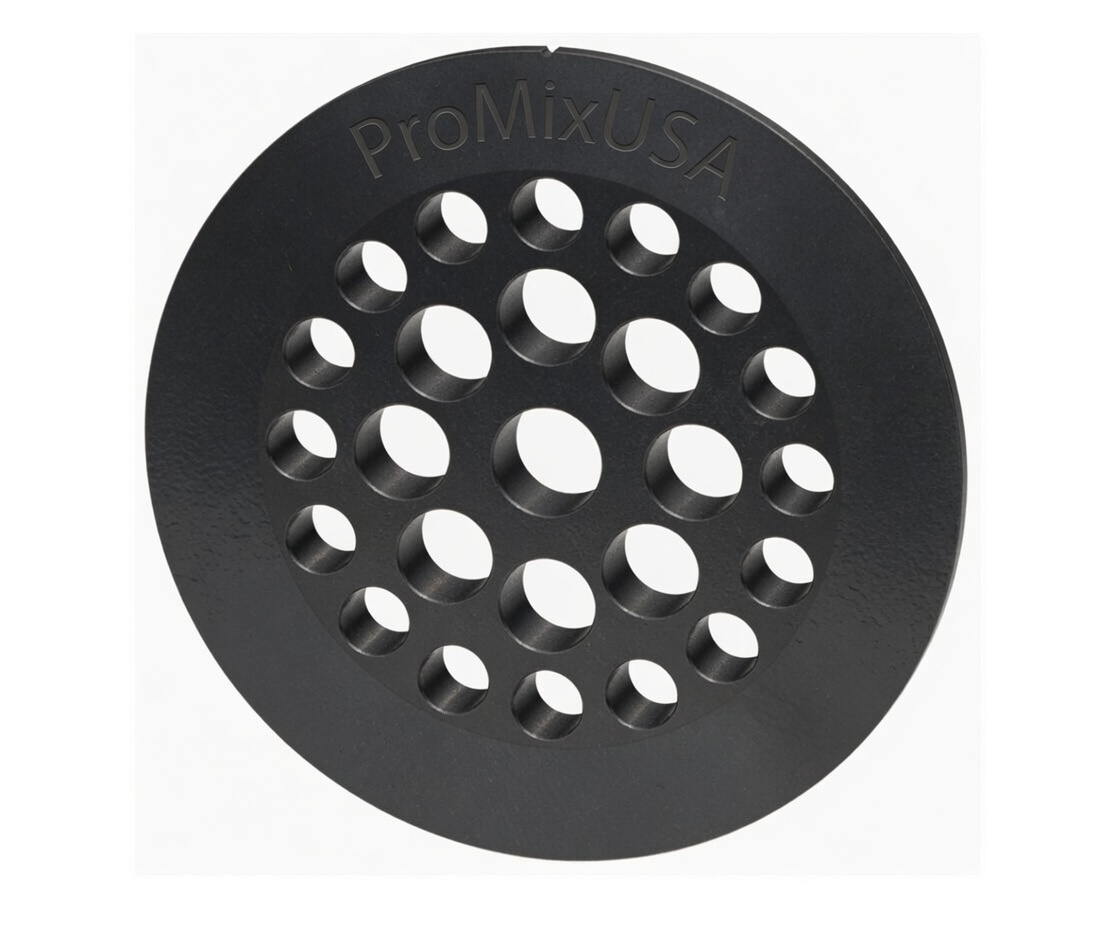
These passive devices use fixed internal elements such as vanes, tube bundles, or perforated plates to straighten the flow.
By removing rotational motion and cross-flow disturbances, they ensure a stable velocity profile reaches the downstream instrument.

They are especially valuable in installations with limited straight pipe runs or where high measurement accuracy is required.

Key Benefits

Improved Accuracy Reduces flow meter errors caused by swirl and turbulence.
Space Saving Reduces required upstream straight pipe from 20–30 diameters down to 5–10 diameters.
Low Pressure Drop Advanced designs minimize energy loss while delivering excellent conditioning.
Easy Installation Available in wafer, flanged, and raised-face styles for simple retrofitting.

Flow Conditioners are the ideal solution for achieving stable, swirl-free flow in space-constrained or high-accuracy applications.

Flow Conditioners are specialized inline devices that install directly in pipelines to eliminate swirl, turbulence, and distorted velocity profiles.
Furthermore, they straighten the flow and create a uniform, fully developed velocity profile upstream of flow meters, valves, pumps, and other sensitive equipment. As a result, these devices significantly improve measurement accuracy and overall system performance. In addition, engineers frequently use them in applications where unstable flow conditions cause inaccurate readings. Consequently, the entire process becomes more reliable and repeatable. Moreover, flow conditioners require almost no maintenance because they contain no moving parts.

What Are Flow Conditioners?

Flow Conditioners use fixed internal elements — such as vanes, tubes, or perforated plates — to remove rotational motion (swirl) and cross-flow turbulence.
By straightening and normalizing the flow, they ensure a stable velocity profile reaches the downstream instrument.

They are essential in applications where space is limited and long straight pipe runs are not possible.

Key Benefits

Improved Measurement Accuracy Eliminates swirl and turbulence that cause flow meter errors, delivering highly repeatable and accurate readings.
Reduced Straight Pipe Requirements Reduces the required upstream straight run from 20–30 pipe diameters down to as little as 5–10 diameters.
Low Pressure Drop Advanced vane and tube designs minimize energy loss compared to traditional conditioners.
Wide Material Compatibility Available in PVC, CPVC, 316 Stainless Steel, Hastelloy, and other specialty alloys.
Versatile Installation Can be installed between flanges or welded inline with minimal disruption to existing piping.

Common Applications

  • Upstream of flow meters (electromagnetic, ultrasonic, turbine, differential pressure)
  • Oil & Gas custody transfer and fiscal metering stations
  • Water and wastewater treatment plants
  • Chemical and petrochemical processing lines
  • Power generation cooling water and steam systems
  • HVAC and large pumping systems with limited straight pipe runs

Flow Conditioners are a simple yet highly effective solution for achieving stable, swirl-free flow conditions in space-constrained or high-accuracy applications.
Size

3/8", 1/2", 3/4", 1", 2", 3", 4", 6", 8", 10", 12", Up to 60"

Material

CS, 304SS, 316SS, Hastelloy, Duplex, Monel, Inconel, Titanium

Connection Ends

RTJF/RTJM, Pinned / Set Screw, RF FWO, RF FOE/FOEL

Specifications

Flow Conditioners are precision-engineered devices installed upstream of flow meters, pumps, valves, or other process equipment to remove swirl, reduce turbulence, and create a uniform velocity profile.
They significantly improve measurement accuracy and reduce required straight pipe runs.

Detailed Specifications – Flow Conditioners

Parameter Specification Notes / Options
Types Available Vane Type, Perforated Plate, Tube Bundle, Hybrid (Vane + Perforated), Tabbed/Corrugated Vane type offers lowest pressure drop
Pipe Sizes 2″ to 48″ (DN50 – DN1200) as standard Larger custom sizes available
Materials of Construction 316/316L Stainless Steel, Carbon Steel, Duplex, Super Duplex, Hastelloy C-276, Titanium, PVDF, PVC/CPVC Selected based on fluid corrosivity and temperature
Installation Length 2D to 6D (D = pipe diameter) Vane type typically shortest (2–3D)
Pressure Rating 150# to 2500# ANSI / PN10 to PN160 Matches system flange rating
Temperature Range -320°F to 1200°F (-196°C to 650°C) depending on material Limited by material selection
Pressure Drop (Loss Coefficient K) Vane Type: 0.8 – 1.5
Perforated Plate: 2.0 – 4.0
Tube Bundle: 3.0 – 6.0
Vane type offers the lowest permanent pressure loss
Flow Conditioning Performance Removes 90–98% of swirl
Produces near-fully developed velocity profile within 5–10D downstream
Meets or exceeds ISO 5167, AGA Report No. 3, and API standards
Connection Types Wafer Style, Flanged (RF/RTJ), Welded Ends Wafer style most popular for easy retrofit
Standards & Compliance ASME B16.5, ASME B31.3, ISO 5167, AGA Report No. 3, API MPMS Designed to improve flow meter accuracy and reduce straight-run requirements
Typical Applications Upstream of orifice plates, ultrasonic meters, turbine meters, venturi tubes, magnetic flow meters, pumps, and elbows Custody transfer, fiscal metering, process control, and pump protection

Flow Conditioners are custom-designed based on pipe size, expected flow range, fluid properties (viscosity, density, Reynolds number), and the specific downstream device requirements.
Vane-type designs are generally selected when minimum pressure loss is critical, while perforated plate or tube bundle designs may be chosen for more aggressive flow profile correction.

Proper selection of flow conditioner type and material ensures improved measurement accuracy, reduced piping requirements, and long-term reliable performance in demanding industrial applications.

Pressure Drop

Pressure Drop vs. Flow Rate

Vane Flow Straightener – 6″ Nominal Size
Fluid: Water (1 cP viscosity) at 68°F (20°C)

Typical Pressure Drop Curve – Vane Flow Straightener

Flow Rate (GPM)   |   Pressure Drop (psi)
─────────────────────────────────────────────
100            |    0.12
200            |    0.38
300            |    0.75
400            |    1.25
500            |    1.85  ← Typical Design Point
600            |    2.55
800            |    4.10
1000            |    6.20

Loss Coefficient (K) ≈ 0.9 – 1.2  •  Very low pressure drop compared to perforated plate or static mixers

Key Notes on Pressure Drop

  • Vane flow straighteners are among the lowest pressure drop flow conditioning devices available
  • Pressure drop increases approximately with the square of the flow velocity
  • Excellent for applications where energy efficiency and low head loss are critical (pump suction lines, long pipelines, gravity systems)
  • Typical recommended operating range for a 6″ vane straightener: 150 – 900 GPM
  • Actual pressure drop depends on exact vane design, pipe size, fluid density, and viscosity
  • For higher viscosity fluids, pressure drop will be moderately higher

Vane Flow Straighteners provide outstanding flow conditioning performance with minimal impact on system energy consumption.
They are the preferred choice when low permanent pressure loss is a priority while still achieving excellent swirl removal and velocity profile correction.

For your specific pipe size, flow rate, fluid properties, or custom vane configuration, we recommend requesting a detailed pressure drop calculation from the manufacturer.

Wafer Type

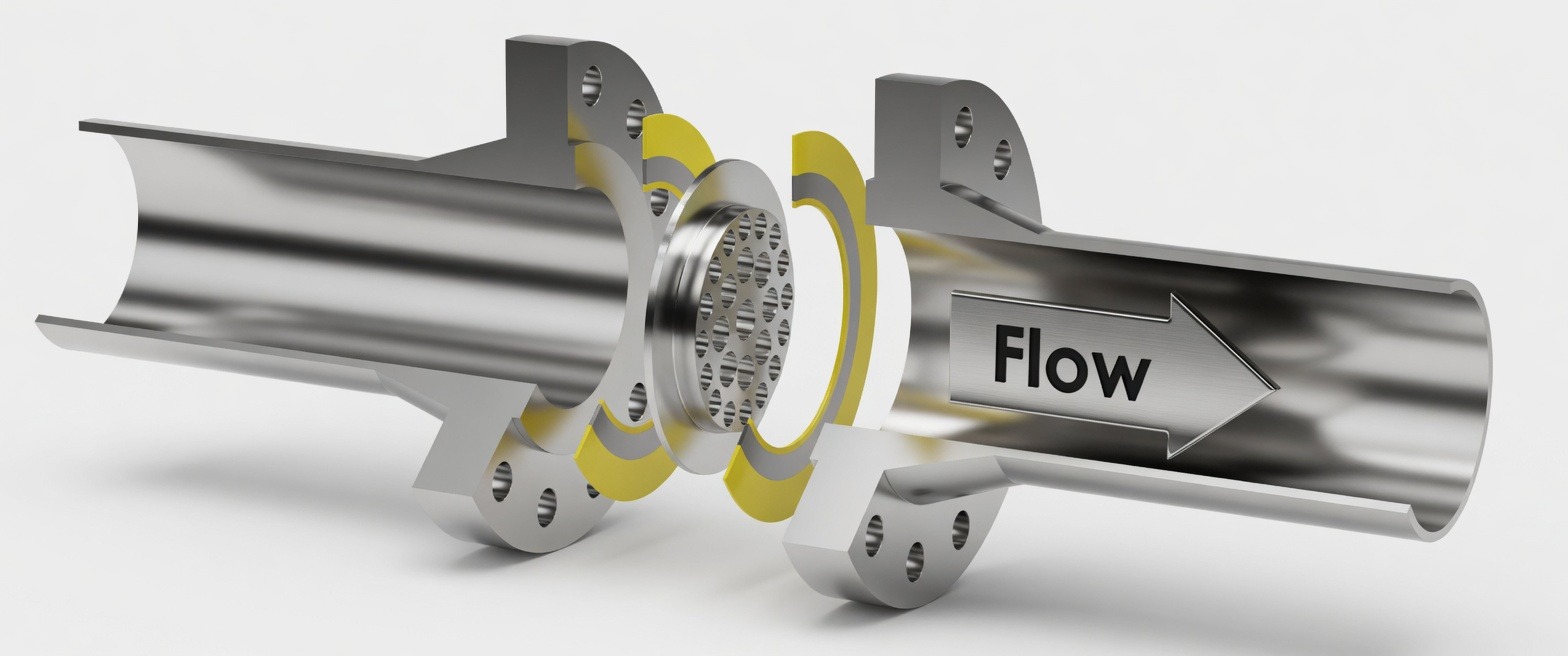
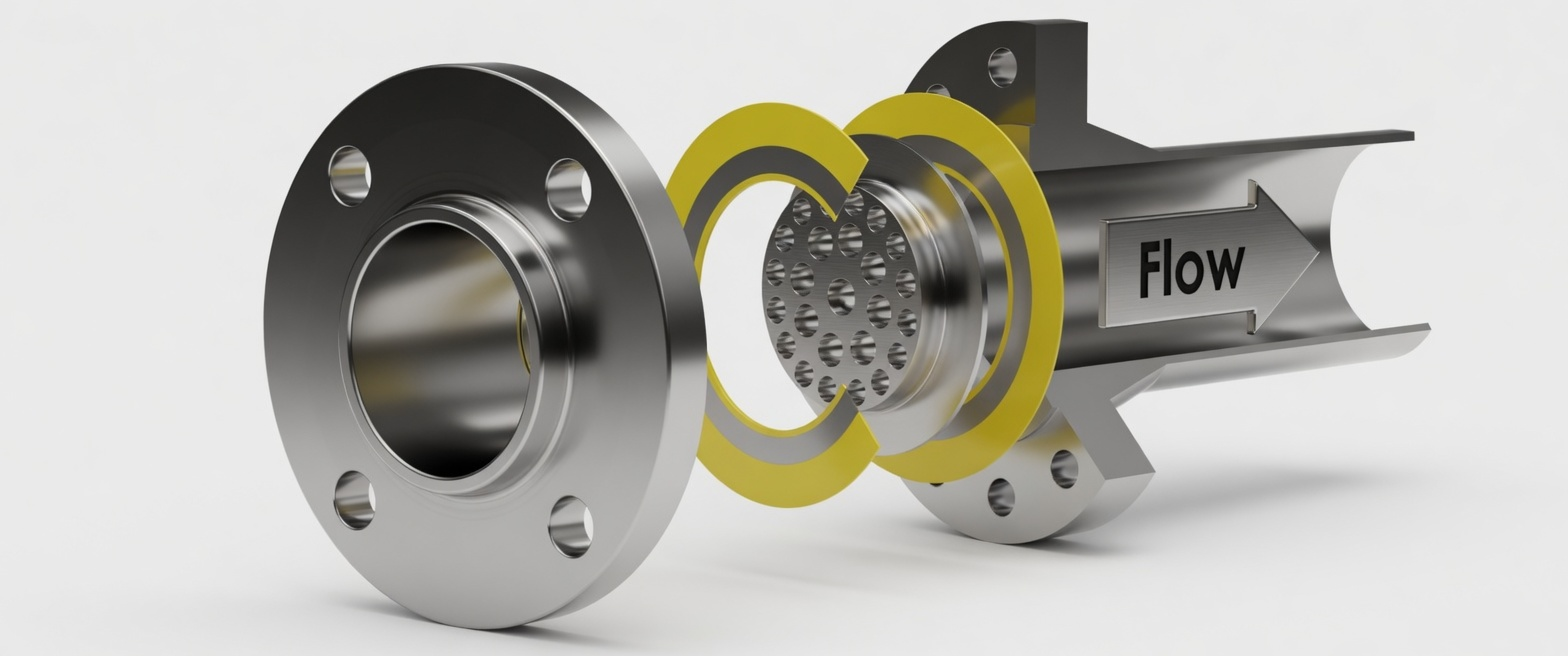
Wafer Type Flow Conditioners are compact, high-performance flow conditioning devices designed to be installed between existing pipe flanges.
They effectively remove swirl, turbulence, and distorted velocity profiles to ensure accurate and repeatable flow measurement.

What Is a Wafer Type Flow Conditioner?

A Wafer Type Flow Conditioner is a thin, disc-shaped device that fits between two pipe flanges (like a wafer).
It contains precision-engineered internal elements — typically vanes, perforated plates, or tube bundles — that straighten the flow and create a uniform velocity profile within a very short distance.

Because of its slim profile (usually 1–2 inches thick), it is ideal for retrofitting existing piping systems where space is limited and long straight pipe runs are not possible.

Key Benefits

Extremely Compact Installs between standard flanges with minimal added length (typically 1–2 inches thick).
Excellent Flow Conditioning Removes swirl and turbulence, producing a uniform velocity profile in a very short distance.
Easy Retrofitting Can be installed into existing piping without major modifications or cutting pipe.
Low Pressure Drop Advanced designs minimize pressure loss compared to traditional tube bundle straighteners.
Wide Material Range Available in 316 Stainless Steel, Hastelloy, Duplex, PVC, and CPVC to suit various process conditions.

Common Applications

  • Upstream of flow meters (ultrasonic, turbine, electromagnetic, vortex, differential pressure)
  • Oil & Gas custody transfer and fiscal metering stations
  • Water treatment and distribution systems
  • Chemical and petrochemical processing lines
  • Power generation cooling water and steam systems
  • Retrofit projects with limited straight pipe runs

Wafer Type Flow Conditioners are the ideal solution when you need high-performance flow conditioning but have limited space or cannot modify existing piping significantly.
They deliver excellent results with minimal pressure loss and easy installation.

Raised Face

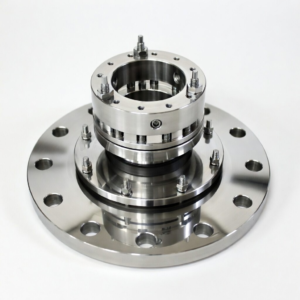
Raised Face Flow Conditioners are robust, flange-mounted flow conditioning devices designed to eliminate swirl, turbulence, and distorted velocity profiles in pipelines.
They are installed between raised-face flanges and provide excellent flow straightening with minimal added length.

What Are Raised Face Flow Conditioners?

A Raised Face Flow Conditioner is a wafer-style or short-pipe device featuring a raised-face flange design on both ends.
It contains precision-engineered internal elements (vanes, tube bundles, or perforated plates) that remove rotational swirl and cross-flow turbulence, delivering a uniform, fully developed velocity profile to downstream instruments.

The raised-face design allows direct bolting between standard ASME/ANSI raised-face flanges, making installation straightforward and secure in high-pressure applications.

Key Benefits

Secure Flange Mounting Raised-face design provides excellent sealing and structural integrity when bolted between standard flanges.
Effective Flow Conditioning Removes swirl and turbulence, producing a uniform velocity profile for accurate flow measurement.
Minimal Added Length Typically only 1–3 inches thick, making it ideal for space-constrained retrofits.
High Pressure Capability Suitable for high-pressure applications due to robust flange construction.
Versatile Materials Available in carbon steel, 316 stainless steel, duplex, and exotic alloys.

Common Applications

  • Upstream of flow meters (ultrasonic, turbine, vortex, differential pressure)
  • Oil & Gas custody transfer and fiscal metering stations
  • High-pressure chemical and petrochemical lines
  • Power generation steam and cooling water systems
  • Retrofit projects with limited straight pipe runs
  • Applications requiring high-pressure-rated flow conditioning

Raised Face Flow Conditioners combine excellent flow conditioning performance with the strength and sealing reliability of traditional raised-face flanged connections, making them a popular choice in high-pressure and critical measurement applications.

RTJF & RTJM Face

RTJF (Raised Face Flanged) and RTJM (Raised Face Machined) Flow Conditioners are robust, flange-mounted devices designed to eliminate swirl, turbulence, and distorted velocity profiles in pipelines.
They are installed directly between raised-face flanges, providing excellent flow straightening with minimal added length.

What Are RTJF & RTJM Face Flow Conditioners?

RTJF and RTJM Flow Conditioners are wafer-style or short-pipe devices featuring precision-machined raised faces on both ends for direct bolting between standard ASME/ANSI raised-face flanges.
They contain advanced internal elements — typically multi-stage vanes or tube bundles — that effectively remove rotational swirl and cross-flow turbulence, delivering a highly uniform velocity profile to downstream flow meters and equipment.

The “RTJF” version uses standard raised-face flanges, while the “RTJM” version features machined raised faces for even tighter tolerances and superior sealing in high-pressure or critical applications.

Key Benefits

Excellent Flow Conditioning Removes swirl and turbulence, producing a uniform velocity profile within a very short distance.
Secure Raised-Face Flange Design Bolts directly between standard raised-face flanges with superior sealing and structural integrity.
Minimal Added Length Typically only 1–3 inches thick, ideal for retrofits with limited space.
High Pressure Capability Robust raised-face design makes them suitable for high-pressure applications.
Wide Material Range Available in carbon steel, 316 stainless steel, duplex stainless, and exotic alloys.

Common Applications

  • Upstream of flow meters (ultrasonic, turbine, vortex, differential pressure)
  • Oil & Gas custody transfer and fiscal metering stations
  • High-pressure chemical and petrochemical lines
  • Power generation steam and cooling water systems
  • Retrofit projects with limited straight pipe runs
  • Applications requiring high-pressure-rated flow conditioning

RTJF and RTJM Raised Face Flow Conditioners combine excellent flow conditioning performance with the strength and sealing reliability of traditional raised-face flanged connections.
They are particularly well-suited for high-pressure systems and retrofits where space is limited and reliable flow measurement is critical.

Flow Taps

Flow Taps Flow Conditioners are specialized inline devices designed to provide high-performance flow conditioning while incorporating integrated pressure tap points (ports) for direct connection to differential pressure transmitters or other instruments.

What Are Flow Taps Flow Conditioners?

A Flow Taps Flow Conditioner combines advanced flow straightening elements (vanes or tube bundles) with built-in pressure sensing taps.
The conditioner removes swirl, turbulence, and velocity profile distortions while the integrated taps allow precise differential pressure measurements without needing separate tapping points downstream.

This all-in-one design significantly reduces installation complexity, shortens required straight pipe runs, and improves overall system accuracy in differential pressure-based flow measurement applications.

Key Benefits

Integrated Pressure Taps Built-in tap points eliminate the need for separate downstream tapping, reducing installation time and potential leak points.
Superior Flow Conditioning Effectively removes swirl and turbulence, delivering a uniform velocity profile for highly accurate measurements.
Space Saving Design Combines conditioning and pressure sensing in one compact unit, minimizing required straight pipe length.
Improved Accuracy Reduces measurement uncertainty by providing conditioned flow directly at the pressure tap locations.
Versatile Materials Available in 316 Stainless Steel, carbon steel, duplex, and exotic alloys for various process conditions.

Common Applications

  • Differential pressure flow metering (orifice plates, Venturi tubes, flow nozzles)
  • Oil & Gas custody transfer and fiscal metering
  • High-accuracy chemical and petrochemical process lines
  • Steam and gas flow measurement in power generation
  • Retrofit projects where space for separate taps and conditioners is limited
  • Applications requiring precise DP measurement with minimal straight pipe runs

Flow Taps Flow Conditioners offer a smart, space-efficient solution by integrating high-performance flow conditioning with integrated pressure sensing taps.
They deliver improved accuracy and simplified installation in differential pressure-based flow measurement systems.

Applications

Flow Conditioners are essential devices used to eliminate swirl, reduce turbulence, and create a uniform velocity profile upstream of flow meters and other process equipment.
They improve measurement accuracy, reduce required straight pipe runs, and protect sensitive equipment in a wide range of industries.

Applications of Flow Conditioners

Industry / Application Typical Use Cases Purpose & Benefits
Oil & Gas / Custody Transfer Fiscal metering stations, natural gas pipelines, crude oil measurement, ultrasonic & turbine meters Ensures high-accuracy measurement by removing swirl from elbows, valves, and compressors. Reduces required upstream straight pipe from 20–50D to as low as 5–10D.
Chemical Processing Feed lines to flow meters, reactor inlets, pump suction lines, corrosive fluid metering Provides stable flow profile for accurate dosing and process control while protecting expensive flow meters from turbulence-induced wear.
Water & Wastewater Treatment Large-diameter water mains, effluent lines, chemical dosing points, magnetic flow meters Improves accuracy of large flow meters and reduces straight-run requirements in space-constrained treatment plants.
Power Generation Cooling water systems, feedwater lines, steam flow measurement, pump protection Protects pumps from uneven flow and improves accuracy of critical flow measurements in high-flow systems.
Pharmaceutical & Biotech Sanitary process lines, purified water systems, high-purity gas metering Ensures consistent flow profiles for precise batching and regulatory-compliant measurement while maintaining hygienic design.
Pulp & Paper Stock lines, chemical additive metering, white water systems Handles fibrous slurries and provides stable flow for accurate chemical dosing and process control.
HVAC & Building Services Chilled water, hot water, and air handling systems Improves flow meter accuracy in large-diameter pipes where space for long straight runs is limited.
Pump Protection & General Process Pump suction lines after multiple elbows or valves Reduces uneven flow into pumps, minimizing cavitation, vibration, and premature wear.

Flow Conditioners are particularly valuable when:

  • Available straight pipe run is limited (common in retrofits and compact plants)
  • High-accuracy flow measurement is required (custody transfer, fiscal metering)
  • Multiple elbows, valves, or tees create significant swirl upstream of a meter
  • Energy efficiency and low permanent pressure loss are priorities (vane type excels here)
  • Pumps need protection from turbulent or swirling inlet flow

By installing the appropriate flow conditioner (vane, perforated plate, tube bundle, or hybrid), plants can dramatically improve flow measurement accuracy while reducing piping costs and space requirements.

Q&A

Question Answer
What is a Flow Conditioner? A Flow Conditioner is a static device installed in a pipeline to remove swirl, reduce turbulence, and create a more uniform velocity profile upstream of flow meters, pumps, or other equipment. It allows accurate flow measurement with significantly shorter straight pipe runs.
What are the main types of Flow Conditioners? The most common types are: Vane Type (lowest pressure drop), Perforated Plate, Tube Bundle, and Hybrid designs. Vane-type conditioners are preferred when minimizing energy loss is critical, while perforated plate or tube bundle types provide more aggressive flow profile correction.
Why are Flow Conditioners needed? Disturbances such as elbows, valves, tees, reducers, or pumps create swirl and distorted velocity profiles that cause flow meters to read inaccurately. Flow conditioners correct these disturbances, often reducing the required upstream straight pipe from 20–50 diameters down to 5–10 diameters.
Which type has the lowest pressure drop? Vane-type flow straighteners have the lowest pressure drop (K ≈ 0.8 – 1.5), making them the best choice when energy efficiency and low head loss are priorities. Perforated plate and tube bundle designs have higher pressure losses (K = 2.0 – 6.0).
How much can Flow Conditioners reduce straight pipe requirements? They typically reduce upstream straight-run requirements from 20–50 pipe diameters to as little as 5–10 diameters, depending on the conditioner type and the downstream device (orifice, ultrasonic, turbine, etc.).
What materials are Flow Conditioners made from? Common materials include 316L Stainless Steel, Carbon Steel, Duplex Stainless Steel, Hastelloy, Titanium, and occasionally PVDF or PVC for corrosive services. Material is chosen based on fluid corrosivity, temperature, and pressure.
Are Flow Conditioners suitable for custody transfer / fiscal metering? Yes. High-performance flow conditioners are widely used in custody transfer applications to meet standards such as AGA Report No. 3, ISO 5167, and API MPMS by providing repeatable, uniform flow profiles.
Can Flow Conditioners be used with any type of flow meter? They are beneficial for most differential pressure meters (orifice, venturi), ultrasonic meters, turbine meters, and magnetic flow meters. They are especially valuable when straight pipe runs are limited or when high accuracy is required.
How do I choose the right Flow Conditioner for my application? Selection depends on: available straight pipe length, acceptable pressure loss, fluid properties (viscosity, density, corrosivity), required accuracy, pipe size, and the type of downstream meter. Vane-type conditioners are preferred for low pressure drop, while perforated plate or tube bundle types may be chosen for more aggressive swirl removal.

Note: Flow Conditioners are a cost-effective way to improve flow measurement accuracy and reduce piping costs.
Proper selection of type and material is critical for long-term performance.
For critical applications such as custody transfer or high-accuracy metering, consult with the manufacturer for a performance recommendation based on your exact process conditions.

Advantages and Disadvantages

Advantages Disadvantages
  • Significantly improves flow meter accuracy by removing swirl and creating a uniform velocity profile
  • Greatly reduces required upstream straight pipe runs (from 20–50D down to 5–10D in many cases)
  • Saves space and piping costs in compact plant layouts or retrofit projects
  • Protects pumps and other equipment from damaging turbulence and uneven flow
  • Low maintenance – no moving parts and highly durable when properly specified
  • Available in many materials (316L SS, Hastelloy, Titanium, PVDF, etc.) for corrosive services
  • Vane-type designs offer very low permanent pressure loss compared to other flow correction methods
  • Helps plants meet stringent custody transfer and fiscal metering standards (AGA, ISO, API)
  • Introduces some permanent pressure loss (especially perforated plate and tube bundle types)
  • Requires careful selection – wrong type or design can underperform or create additional issues
  • Initial cost can be significant for large diameters or exotic materials
  • Performance depends heavily on proper installation orientation and upstream disturbances
  • May not fully correct extremely severe flow distortions without longer conditioning length
  • Custom engineering is often needed for optimal results in difficult applications
  • Adding a flow conditioner increases system complexity and requires documentation of its effect on meter calibration

Note: Flow Conditioners are a highly effective solution when straight pipe runs are limited or high measurement accuracy is required.
Vane-type designs are usually preferred when low pressure drop is important, while perforated plate or tube bundle types may be chosen for more aggressive flow profile correction.
Proper selection and installation deliver excellent return on investment through improved accuracy and reduced piping costs.

You may also like…