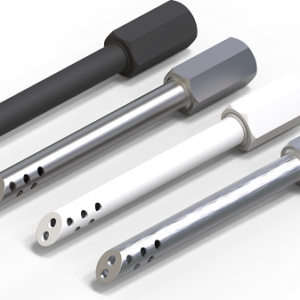
Disposable static mixers are designed to provide efficient and consistent liquid blending in a range of industrial applications. These single-use mixers are crafted from durable, chemically resistant materials such as polypropylene or polyethylene, ensuring compatibility with various chemicals and preventing contamination. The core feature of these mixers is their integrated static mixing elements, which are molded into the cylindrical tube of the mixer. These elements, often arranged in helical or spiral patterns, promote thorough mixing by creating turbulence and enhancing fluid flow without the need for moving parts.
One of the key advantages of disposable static mixers is their ease of use and maintenance. They come equipped with standard connection fittings that allow for quick and straightforward integration with existing piping systems or containers. This design eliminates the need for cleaning and reduces the risk of cross-contamination between batches, making them ideal for applications in industries such as pharmaceuticals, food and beverage, chemicals, and water treatment.
Disposable static mixers are available in various lengths and diameters to accommodate different flow rates and mixing requirements. They are capable of handling a wide range of temperatures and chemical compositions, though it’s important to verify compatibility with specific substances. By providing a reliable and hygienic solution for liquid mixing, these mixers help ensure product quality and consistency while minimizing downtime and operational costs. Their disposable nature also supports a streamlined workflow, enhancing overall efficiency in production processes.
Disposable static mixers made from polypropylene are a practical and cost-effective solution for many industries that require efficient and reliable mixing of fluids. In addition, these mixers are designed to be used once and then discarded, making them ideal for applications where contamination, cleanup, or maintenance issues are significant concerns. Furthermore, Polypropylene, a thermoplastic polymer, is chosen for its favorable properties, including chemical resistance, durability, and affordability. Finally, this document provides an in-depth look at the characteristics, advantages, applications, and limitations of disposable static mixers made from polypropylene.
Characteristics of a Disposable Static Mixers
Material Composition of Disposable Static Mixers
Disposable static mixers made from polypropylene utilize polypropylene (PP), a lightweight, durable thermoplastic polymer. Polypropylene is known for its resistance to a variety of chemicals, including acids, bases, and organic solvents, making it suitable for many mixing applications. Furthermore, it also has good impact resistance and can handle moderate temperatures, typically up to 80-90°C (176-194°F), depending on the specific formulation.
Design and Construction
Designers incorporate a series of static mixing elements inside a cylindrical tube in these mixers. The manufacturer molds the elements into the polypropylene and usually arranges them in a helical or spiral pattern. In addition, this design facilitates the thorough mixing of fluids as they pass through the mixer. Also, manufacturers often design disposable mixers with standard fittings that allow users to easily attach them to existing piping systems or containers.
Size and Configuration
Disposable polypropylene static mixers are available in various sizes and configurations to accommodate different flow rates and mixing requirements. Common diameters range from 1/4 inch to 2 inches, with lengths typically ranging from 6 to 24 inches. Finally, we select the size of the mixer based on the application’s flow rate. Also, the viscosity of the fluids, and required mixing efficiency.
Flow Characteristics
The internal design of the mixer creates turbulent flow patterns that enhance mixing efficiency. As fluids pass through the static mixer, the internal elements induce a high degree of shear and turbulence, leading to homogeneous mixing. The geometry and arrangement of the mixing elements largely determine the efficiency of mixing.
Disposable static mixers made from polypropylene offer a practical and cost-effective solution for a variety of industrial mixing applications. Also, their key advantages include affordability, ease of use, convenience, and good chemical resistance. However, they also have limitations such as temperature constraints, chemical compatibility issues, and environmental impact concerns. Finally, despite these limitations, polypropylene static mixers remain a valuable tool in many sectors. This provides efficient and reliable mixing solutions while simplifying maintenance and reducing contamination risks.
Body: Typically made from polypropylene (PP) or polyethylene (PE) for chemical resistance and durability.
Mixing Elements: Often constructed from the same material as the body or other compatible plastics, ensuring consistent performance and compatibility.
Dimensions:
Length: Varies depending on the application, commonly ranging from 6 inches to 24 inches (150 mm to 600 mm).
Diameter: Typically ranges from 0.5 inches to 4 inches (12 mm to 100 mm), depending on the flow requirements.
Mixing Elements:
Type: Can include helical, spiral, or other geometric patterns designed to enhance mixing efficiency.
Arrangement: Generally arranged to promote thorough blending and uniform distribution of components.
Flow Rate:
Range: Designed to handle various flow rates, from low to high, depending on the specific model and application.
Compatibility: Ensures effective mixing at the specified flow rate without significant pressure drop.
Connection Fittings:
Standard Fittings: Equipped with standard connectors to easily integrate with existing piping systems or containers.
Types: Include threaded, slip, or push-fit options, depending on the design.
Temperature Range:
Operating Temperature: Typically, capable of withstanding temperatures from 0°C to 60°C (32°F to 140°F).
Maximum Temperature: Some models may handle higher temperatures; always check specific product ratings.
Chemical Resistance:
Compatibility: Designed to resist a broad range of chemicals, including acids, bases, and solvents.
Limitations: Verify resistance to specific chemicals based on application requirements.
Applications:
Industries: Commonly used in pharmaceuticals, food and beverage, chemicals, and water treatment.
Processes: Ideal for blending, mixing, and homogenizing various liquids and solutions.
Compliance and Certifications:
Standards: Often comply with industry standards such as ISO, FDA, or GMP for specific applications.
Certifications: May have certifications for material safety, food contact, or pharmaceutical use.
Disposability:
Single-Use: Designed for one-time use to avoid contamination and reduce cleaning requirements.
Environmental Considerations: Check for recycling or disposal guidelines as per local regulations.
These specifications provide a general overview, and actual product specifications may vary depending on the manufacturer and specific application requirements.
Installation
Installing a static mixer requires careful planning and attention to detail to ensure optimal performance and longevity. Static mixers are devices used to mix fluids in a pipeline without moving parts, relying on the flow energy to achieve mixing. The installation process involves several key steps, including preparation, installation, and post-installation checks. Below is a detailed procedure for installing a static mixer:
Preparation
Select the Installation Location:
Choose a suitable location in the pipeline where the static mixer can be installed. Ensure there is sufficient space for installation and future maintenance.
Consider the flow profile and ensure there are sufficient straight pipe lengths upstream and downstream of the mixer to allow for proper mixing. Typically, a length of 5-10 pipe diameters upstream and 3-5 pipe diameters downstream is recommended.
Verify Compatibility:
Ensure that the static mixer material is compatible with the fluids being processed to avoid corrosion or degradation.
Check that the mixer size matches the pipeline diameter and the flow rate requirements.
Prepare the Tools and Equipment:
Gather the necessary tools, such as wrenches, gaskets, flanges, bolts, nuts, and a torque wrench.
Have the installation manual and technical drawings on hand for reference.
Safety Precautions:
Ensure the pipeline is depressurized and drained of any fluids.
Follow all relevant safety protocols, including wearing appropriate personal protective equipment (PPE).
Installation
Prepare the Pipeline:
Cut the pipeline at the designated installation point, ensuring clean, straight cuts.
Remove any burrs, debris, or sharp edges from the cut ends to prevent damage to the mixer and ensure a proper seal.
Install the Flanges (if not already present):
Attach the appropriate flanges to the pipeline ends where the mixer will be installed.
Ensure the flanges are aligned correctly and securely attached.
Insert the Static Mixer:
Place the static mixer between the flanges, ensuring the correct orientation as specified by the manufacturer. Some mixers have a preferred flow direction, marked with an arrow.
Insert gaskets between the flanges and the mixer to ensure a tight seal.
Secure the Mixer:
Align the mixer and the pipeline flanges, ensuring proper alignment to avoid stress on the pipeline.
Insert and hand-tighten the bolts and nuts evenly around the flange.
Using a torque wrench, tighten the bolts in a crisscross pattern to the manufacturer’s specified torque values. This ensures even pressure distribution and prevents leaks.
Post-Installation Checks
Leak Test:
Once the mixer is securely installed, conduct a leak test by slowly pressurizing the pipeline and inspecting for leaks at the flange connections.
If any leaks are detected, depressurize the system and retighten the bolts as needed.
Flow Test:
Gradually introduce the fluid flow to ensure the static mixer operates correctly.
Observe the mixing performance and verify that the desired mixing level is achieved.
Final Inspection:
Check that all components are securely installed and that there are no visible signs of damage or misalignment.
Ensure that the area around the mixer installation is clean and free of debris.
Documentation and Maintenance
Record Keeping:
Document the installation details, including the location, date, and personnel involved.
Record any observations during the installation and testing phases, including torque values used for tightening the bolts.
Maintenance Schedule:
Establish a maintenance schedule based on the manufacturer’s recommendations and the specific application requirements.
Regularly inspect the mixer and surrounding pipeline for signs of wear, corrosion, or damage.
Operational Guidelines:
Provide training for personnel on the operation and maintenance of the static mixer.
Ensure that any operational changes, such as variations in flow rate or fluid composition, are communicated and assessed for their impact on the mixer’s performance.
By following these installation procedures, you can ensure the reliable operation of the static mixer and achieve consistent mixing results. Proper installation is crucial for the longevity and efficiency of the mixer, as well as for maintaining the safety and integrity of the entire process system.
Maintenance
Maintenance Procedure for Static Mixers
Purpose:
This procedure outlines the steps required to maintain static mixers in optimal working condition, ensuring efficient performance, longevity, and safety.
Preparation
Safety Precautions:
Before starting maintenance, ensure the system is completely shut down, depressurized, and drained of any fluids.
Lock out and tag out (LOTO) the system to prevent accidental startup.
Wear appropriate personal protective equipment (PPE) including gloves, goggles, and protective clothing.
Tools and Materials:
Wrenches and torque wrench
Cleaning brushes and tools
Appropriate cleaning solvents (compatible with the fluids used in the system)
Replacement gaskets and seals
Inspection tools (flashlight, mirrors, borescope, if necessary)
Lubricants suitable for the application
Inspection
External Inspection:
Visually inspect the static mixer and surrounding piping for any signs of leaks, corrosion, or mechanical damage.
Check for signs of wear or misalignment in the flanges and bolts.
Internal Inspection:
Remove the static mixer from the pipeline following proper disassembly procedures.
Inspect the internal mixing elements for any signs of wear, corrosion, or blockage.
Check for residue buildup on the mixing elements and inside the housing.
Ensure that all internal surfaces, including the mixing elements and housing, maintain the specified surface finish (e.g., 20 Ra or better for sanitary applications).
Cleaning
Cleaning Process:
Clean the mixing elements and internal housing thoroughly using appropriate solvents and cleaning tools.
For sanitary applications, use approved food-grade or pharmaceutical-grade cleaning agents.
Carefully remove any residue or buildup without damaging the mixing elements or the housing.
Rinse and Dry:
Rinse all components with clean water or an appropriate solvent to remove any remaining cleaning agent residues.
Dry all components thoroughly to prevent corrosion.
Component Replacement
Gaskets and Seals:
Inspect all gaskets and seals for wear, cracks, or deformation.
Replace gaskets and seals with new ones of the appropriate material and size.
Mixing Elements (if applicable):
If mixing elements show significant wear or damage, replace them according to the manufacturer’s specifications.
Reassembly and Reinstallation
Reassembly:
Reassemble the static mixer, ensuring all components are correctly aligned and seated.
Use a torque wrench to evenly tighten all bolts to the manufacturer’s specified torque values in a crisscross pattern to ensure a proper seal.
Reinstallation:
Reinstall the static mixer into the pipeline, ensuring proper alignment and orientation.
Verify that the flow direction marked on the mixer aligns with the actual flow direction in the pipeline.
Final Checks
Leak Test:
Gradually repressurize the system and check for leaks at all connections and seals.
If leaks are detected, depressurize the system and retighten the bolts as necessary.
Operational Test:
Once the system is confirmed to be leak-free, gradually introduce the fluid and check the mixing performance.
Observe the system for any unusual noises, vibrations, or other signs of improper operation.
Documentation
Maintenance Log:
Record all maintenance activities, including date, personnel involved, observations, and any components replaced.
Note any issues encountered and actions taken to resolve them.
Scheduling:
Update the maintenance schedule based on the findings from the current maintenance session.
Schedule the next maintenance inspection according to the manufacturer’s recommendations or based on operational experience.
Training and Safety Review
Personnel Training:
Ensure that all personnel involved in maintenance activities are adequately trained and familiar with the static mixer and safety procedures.
Safety Review:
Review safety procedures and protocols periodically to ensure compliance and address any new hazards or changes in the system.
Continuous Improvement
Performance Monitoring:
Monitor the performance of the static mixer continuously, looking for signs of reduced efficiency or increased wear.
Adjust maintenance frequency and procedures based on observed performance trends.
By adhering to this maintenance procedure, you can ensure that your static mixer operates efficiently, safely, and consistently. Regular maintenance helps prevent unexpected failures, prolongs the lifespan of the equipment, and maintains the quality of the mixing process.
Q&A
Q: What are disposable polypropylene static mixers used for?
A: Disposable polypropylene static mixers are used to mix fluids in a variety of industries, including chemical processing, pharmaceuticals, food and beverage, water treatment, adhesives, coatings, and laboratory research. They are particularly useful for applications requiring quick and efficient mixing without the need for cleaning or maintenance.
Q: What are the main advantages of using disposable polypropylene static mixers?
A: The main advantages include cost-effectiveness, ease of use, good chemical resistance, and the convenience of not requiring cleaning or maintenance. They are also versatile and can be used in various applications, making them a practical choice for many industries.
Q: Are there any temperature limitations for polypropylene static mixers?
A: Yes, polypropylene has a limited temperature range, generally suitable for continuous use up to about 80-90°C (176-194°F). Beyond this range, the material can soften or deform, which limits its use in high-temperature applications.
Q: How do disposable polypropylene static mixers handle different chemicals?
A: Polypropylene offers good resistance to many chemicals, including dilute acids, bases, and some organic solvents. However, it may not be compatible with strong oxidizers, certain hydrocarbons, or other aggressive chemicals, which can degrade the material. It’s important to check chemical compatibility for each specific application.
Q: Why choose disposable mixers over reusable ones?
A: Disposable mixers are chosen over reusable ones primarily for convenience and hygiene reasons. They eliminate the need for cleaning and maintenance, which is beneficial in applications where contamination must be avoided or where cleaning would be challenging and costly. This is especially important in regulated industries like pharmaceuticals and food processing.
Q: What are some common applications of these mixers?
A: Common applications include mixing chemicals, diluting solutions, blending ingredients in pharmaceuticals and food production, water treatment processes, and preparing adhesives and coatings. They are also used in laboratory settings for experimental and research purposes.
Q: What are the environmental concerns associated with disposable polypropylene static mixers?
A: The primary environmental concern is the contribution to plastic waste, as these mixers are designed to be used once and then discarded. While polypropylene is recyclable, disposable mixers often end up in landfills, adding to environmental pollution. Efforts to mitigate this include exploring recycling options or using more sustainable materials.
Q: Can disposable polypropylene static mixers be used with highly viscous fluids?
A: While they can handle a range of viscosities, disposable polypropylene static mixers may not be the most efficient for highly viscous fluids. The mixing efficiency can decrease with increasing viscosity, potentially requiring mixers with different materials or designs for optimal performance.
Q: Are there any durability concerns with disposable polypropylene static mixers?
A: Yes, as disposable products, they are not designed for long-term use. They may not withstand prolonged exposure to challenging conditions such as high pressure, abrasive materials, or repeated thermal cycling. They are best used in scenarios where single-use, short-term applications are suitable.
Q: What are the disposal requirements for these mixers, especially in regulated industries?
A: Disposal requirements can vary depending on the industry and the materials handled by the mixers. In regulated industries like pharmaceuticals and food processing, there may be specific guidelines for disposing of equipment that has come into contact with hazardous or sensitive substances. It’s essential to follow these guidelines to ensure compliance and safety.
Q: Can disposable polypropylene static mixers be customized for specific applications?
A: Generally, disposable mixers are mass-produced in standard sizes and configurations to keep costs low. This limits the ability to customize them for specific applications. However, some manufacturers may offer customization options for larger orders or specific industrial needs.
Q: What is the typical lifespan of a disposable polypropylene static mixer?
A: The lifespan of a disposable polypropylene static mixer is generally limited to a single use. They are designed for one-time applications and are typically discarded after use to prevent contamination and simplify processes.
Advantages / Disadvantages
Advantages
Cost-Effectiveness
One of the main advantages of disposable polypropylene static mixers is their cost-effectiveness. The use of polypropylene, combined with the fact that these mixers are intended for single use, keeps manufacturing costs low. This affordability makes them an attractive option for applications where high-quality, high-performance mixers are required but where budget constraints exist.
Convenience and Hygiene
Disposable mixers eliminate the need for cleaning and maintenance, which can be time-consuming and costly. After use, the mixer can be discarded, reducing the risk of cross-contamination between different batches or processes. This is particularly important in industries like pharmaceuticals and food processing, where maintaining strict hygiene standards is critical.
Versatility
Polypropylene static mixers are versatile and can be used for a wide range of applications, including chemical blending, coating, adhesives, and more. They can handle various types of fluids, from low to moderately high viscosities, making them suitable for diverse industrial needs.
Chemical Resistance
Polypropylene offers good resistance to many chemicals, including dilute acids, bases, and organic solvents. This makes disposable polypropylene static mixers suitable for applications involving aggressive chemicals, though it’s important to ensure compatibility with the specific chemicals being used.
Ease of Use
These mixers are designed to be user-friendly. They are typically lightweight and easy to handle, and their disposable nature means that there’s no need for elaborate setup or cleanup procedures. They are also designed to fit standard fittings and connectors, ensuring compatibility with existing systems.
Disadvantages
Limited Temperature Range
Polypropylene has a relatively low melting point, generally around 130-171°C (266-340°F), and can typically withstand continuous temperatures up to only about 80-90°C (176-194°F). This restricts their use in applications involving high temperatures, where the material might soften or deform, leading to reduced performance or failure.
Chemical Compatibility
Although polypropylene offers good resistance to a wide range of chemicals, it is not universally compatible with all substances. Strong oxidizing agents, certain hydrocarbons, and other aggressive chemicals can degrade polypropylene, potentially causing the mixer to fail or leach contaminants into the mixed product. This limits its use in certain chemical processes.
Environmental Impact
As disposable products, polypropylene static mixers contribute to plastic waste. The increasing concern over plastic pollution and waste management makes the use of disposable products less desirable from an environmental perspective. While polypropylene is recyclable, the disposable nature of these mixers often means they are not reused or recycled, adding to landfill waste.
Performance with Highly Viscous Fluids
Polypropylene static mixers may struggle with highly viscous fluids. The material’s structural properties, combined with the design limitations of disposable mixers, can lead to inefficient mixing of thick substances. For highly viscous applications, more robust materials and designs may be necessary to achieve the desired mixing quality.
Durability and Longevity
Being disposable, these mixers are not designed for long-term use. They may not withstand prolonged exposure to challenging conditions, such as abrasive materials or repeated thermal cycling. This limitation means they must be replaced frequently, which can increase operational costs over time, especially in applications where long-lasting equipment is preferred.
Mechanical Strength
Polypropylene, while offering decent mechanical properties for many applications, is not as strong or rigid as some other materials like metals or engineering plastics. This can be a drawback in scenarios where the mixer might be subjected to physical stress or high pressures, potentially leading to breakage or deformation.
Variability in Quality
As with any disposable product, there can be variability in the quality of production. Inconsistent manufacturing processes can lead to differences in the dimensions, mixing element alignment, and overall construction quality of the mixers, potentially affecting their performance.
Limited Customization
Disposable static mixers are generally mass-produced in standard sizes and configurations to keep costs low. This limits the ability to customize the mixers for specific applications, unlike more durable mixers, which can often be tailored to precise specifications. As a result, users may not achieve optimal mixing efficiency for all their needs.
Disposal and Regulatory Issues
The disposal of used mixers can pose challenges, especially in regulated industries like pharmaceuticals and food processing. There may be specific requirements for disposing of equipment that has been in contact with hazardous or sensitive materials. Compliance with these regulations can add complexity and cost to the use of disposable mixers.
Potential for Contamination
Although disposable mixers are designed to minimize contamination risks by being single use, there is still a potential risk if the mixers are not properly stored or handled before use. Any contamination in the manufacturing or storage process could impact the purity and quality of the mixing process.
These disadvantages highlight the importance of carefully considering the application requirements and environmental impact when choosing disposable polypropylene static mixers. While they offer convenience and cost savings in certain situations, alternative solutions may be more appropriate in other contexts.
Applications
Chemical Processing
In chemical processing, disposable polypropylene static mixers are used for blending chemicals, diluting solutions, and mixing additives. Their ability to handle a variety of chemicals and their ease of use make them a valuable tool in this sector.
Pharmaceuticals
In the pharmaceutical industry, where maintaining cleanliness and avoiding cross-contamination are paramount, disposable mixers are ideal. They are used for mixing active ingredients, excipients, and other formulations. Their single-use nature helps meet stringent hygiene and safety requirements.
Food and Beverage
The food and beverage industry uses disposable polypropylene static mixers for applications such as ingredient blending, flavoring, and emulsification. The ability to easily discard these mixers helps ensure that production lines remain hygienic and free from contamination.
Water Treatment
Disposable static mixers are used in water treatment facilities for chemical dosing, pH adjustment, and mixing treatment chemicals. Their ability to efficiently blend chemicals in water contributes to the effective treatment and purification processes.
Adhesives and Coatings
In industries dealing with adhesives and coatings, disposable polypropylene static mixers ensure thorough mixing of components, such as resins, hardeners, and pigments. This results in consistent product quality and performance.
Laboratory and R&D
In research and development laboratories, disposable mixers are used for small-scale experiments and tests. Their ease of use and disposability make them ideal for applications where frequent changes in formulation are required.
Downloads
Drawings
Reviews
There are no reviews yet.
Only logged in customers who have purchased this product may leave a review.
$375.00–$1,125.00Price range: $375.00 through $1,125.00Select options
This product has multiple variants. The options may be chosen on the product page
$1,170.00–$8,122.00Price range: $1,170.00 through $8,122.00Select options
This product has multiple variants. The options may be chosen on the product page
To provide the best experiences, we use technologies like cookies to store and/or access device information. Consenting to these technologies will allow us to process data such as browsing behavior or unique IDs on this site. Not consenting or withdrawing consent, may adversely affect certain features and functions.
Functional
Always active
The technical storage or access is strictly necessary for the legitimate purpose of enabling the use of a specific service explicitly requested by the subscriber or user, or for the sole purpose of carrying out the transmission of a communication over an electronic communications network.
Preferences
The technical storage or access is necessary for the legitimate purpose of storing preferences that are not requested by the subscriber or user.
Statistics
The technical storage or access that is used exclusively for statistical purposes.The technical storage or access that is used exclusively for anonymous statistical purposes. Without a subpoena, voluntary compliance on the part of your Internet Service Provider, or additional records from a third party, information stored or retrieved for this purpose alone cannot usually be used to identify you.
Marketing
The technical storage or access is required to create user profiles to send advertising, or to track the user on a website or across several websites for similar marketing purposes.



Reviews
There are no reviews yet.