$94.00–$1,481.00Price range: $94.00 through $1,481.00
An injection quill is a device used in industrial processes to introduce a controlled amount of a chemical or fluid into a system. It typically consists of a tube or pipe with multiple holes or nozzles to evenly distribute the injected substance. Injection quills are commonly used in water treatment, chemical processing, and other industrial applications where precise dosing of chemicals is required. They are designed to prevent localized corrosion or damage by evenly distributing the injected substance into the main process flow. Injection quills come in various materials such as stainless steel, PVC, or PTFE, to suit different chemical compatibilities. Additionally, they can be customized with different lengths, nozzle sizes, and configurations to meet specific process requirements. Proper installation and maintenance of injection quills are important to ensure accurate and reliable chemical dosing within the system.
Injection Quills improve injection and diffusion and allow for injecting corrosive chemicals into a pipeline without damaging the pipe or threaded port at the injection point. By injecting into the center stream of the pipe, the turbulent, higher pipe velocity improves chemical dispersion and results in a homogenous chemical mix. Many construction materials available including PVC, Kynar, Teflon, CPVC, 316L Stainless Steel, Hastelloy C-276, Titanium
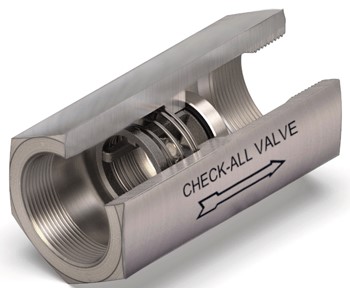
Our Fixed Injection Quills, and machined housings, ensure reliable and even chemical dispersion at the pipeline’s center. Throughout the manufacturing process, we individually test all quills to meet high standards and ensure they are leak-free. Each unit contains a built-in, removable spring-loaded ball check that stops the injected chemical from entering the main flow when the system is switched off.
Industrial processes and chemical dosing systems utilize Fixed injection quills as devices. Their purpose is to introduce an additive, such as a liquid chemical or solution. This is introduced into a pipeline or process stream with a controlled and precise dosage. The quills typically consist of a tubular housing with a connection to the main pipeline. Also, the process stream and a separate injection point where the additive is introduced. This allows for controlled and accurate distribution of the additive throughout the system. This ensures uniform mixing and desired chemical reactions. They also find applications in various industries, including water treatment, chemical processing, and oil and gas.
Specific Point of Entry
Moreover, Fixed injection quills aim to avoid direct contact between the injected additive and the main process fluid or pipeline by introducing the substance at a specific point within the pipeline or process stream. This would be away from turbulence or high-velocity flow areas.
The quills also assist in preserving the integrity of the injected additive. In addition, by avoiding direct contact with the main process fluid. The quill protects the additive from potential contamination or degradation, which could negatively impact its effectiveness or stability.
Purpose
Another purpose of quills is to facilitate easy maintenance and replacement of the injecting components. You can detach the quill from the pipeline or process stream. It allows for convenient access and replacement of the injecting mechanism without interrupting the entire system’s operation.
Overall, the primary purpose of injection quills is to ensure the accurate, controlled, and safe introduction of additives. This introduction is into pipelines or process streams, while also protecting the integrity of the injected substance and facilitating ease of maintenance.
In addition to their primary purpose, injection quills offer a few other benefits:
Improved Mixing
Fixed Injection quills promote better mixing of the additive with the main process fluid. Introducing the additive at a specific point and with a precise dosage enhances the overall dispersion. It also enhances the distribution of the injected substance, resulting in more uniform and efficient mixing.
Reduced Equipment Corrosion
Many people use certain additives, like corrosion inhibitors, to shield pipelines or equipment from corrosion. The quills guarantee an even distribution of these additives. It is also for effectively dispersed throughout the system. In turn, it is reducing the risk of corrosion and extending the equipment’s lifespan.
Increased Safety
Quills help minimize the potential hazards associated with injecting chemicals or additives into process streams. By providing a designated injection point and ensuring proper flow conditions. This minimizes the likelihood of leaks. They also minimize spills, or accidental exposure to the additive, enhancing safety for operators and the environment.
Enhanced Control and Monitoring
Furthermore, various types of injection quills are available to integrate with monitoring and control systems. This allows for real-time monitoring of the injection process and precise adjustment of injection rates. It also allows automated control over the additive dosage, offering greater control and accuracy in the treatment or enhancement of the main process fluid.
By serving these additional purposes, Fixed injection quills contribute to efficient and safe industrial processes, ensuring optimal performance and reliability.
Simple to use ½”, ¾”, or 1” MNPT male process connection and ½”, ¾”, or 1” MNPT male chemical inlet connection.
The quills come with an optional built-in check valve to prevent the backflow of chemicals through the nozzle and into the chemical line.
The crack pressure (amount of psi required to open the check valve) on the injection quills is 10 psi.
For applications that do not require a check valve, the injection quills default without a check valve.
The injection quills come with the V notch and dispersion holes to ensure proper nozzle alignment with process chemicals for proper dispersal of injected chemicals.
Standard quill length is 2-3/4″ long but custom lengths up to 24″ are available. For additional lengths please add the quill length desired.
Injection Quills
Model
Body Material
Connection Size
Probe Length
Check Material
Max Temp
IQP-0.5-3
PVC
1/2"
3"
316LSS
142
IQP-0.5-5
PVC
1/2"
5"
316LSS
142
IQK-0.5-3
PVDF
1/2"
3"
PVDF
294
IQK-0.5-5
PVDF
1/2"
5"
PVDF
294
IQSS-0.5-3
316LSS
1/2"
3"
316LSS
550
IQSS-0.5-5
316LSS
1/2"
5"
316LSS
550
IQHC-0.5-3
Hastelloy® C
1/2"
3"
Hastelloy® C
750
IQHC-0.5-5
Hastelloy® C
1/2"
5"
Hastelloy® C
750
IQP-0.75-4
PVC
3/4"
4"
316LSS
142
IQP-0.75-6
PVC
3/4"
6"
316LSS
142
IQK-0.75-4
PVDF
3/4"
4"
PVDF
294
IQK-0.75-6
PVDF
3/4"
6"
PVDF
294
IQSS-0.75-4
316LSS
3/4"
4"
316LSS
550
IQSS-0.75-6
316LSS
3/4"
6"
316LSS
550
IQHC-0.75-4
Hastelloy® C
3/4"
4"
Hastelloy® C
750
IQHC-0.75-6
Hastelloy® C
3/4"
6"
Hastelloy® C
750
IQP-1-5
PVC
1"
5"
316LSS
142
IQP-1-8
PVC
1"
8"
316LSS
142
IQK-1-5
PVDF
1"
5"
PVDF
294
IQK-1-8
PVDF
1"
8"
PVDF
294
IQSS-1-5
316LSS
1"
5"
316LSS
550
IQSS-1-8
316LSS
1"
8"
316LSS
550
IQHC-1-5
Hastelloy® C
1"
5"
Hastelloy® C
750
IQHC-1-8
Hastelloy® C
1"
8"
Hastelloy® C
750
Technical Specifications Table
Installation
To create installation instructions for static mixers, follow these steps:
Determine the location for installing the static mixer: Identify the pipeline or part of the process where the static mixer will be installed. Make sure the area is accessible and suitable for installation.
Gather necessary tools and equipment: You will typically need tools such as wrenches, hex keys, tape measure, and potentially a lifting tool if the mixer is large and heavy. Ensure you have all the necessary equipment on hand before starting the installation.
Prepare the pipeline: Shut down the flow in the pipeline where the static mixer will be installed. Make sure the pipeline is clean and free of any contaminants that could affect the mixing process.
Position the static mixer: Carefully position the static mixer in the pipeline according to the manufacturer’s instructions. Ensure that the mixer is aligned properly and securely in place.
Connect the static mixer: Use appropriate fittings and connectors to secure the static mixer in the pipeline . Follow the manufacturer’s guidelines for proper installation and connection of the mixer.
Secure the static mixer: Tighten any bolts or screws to secure the static mixer in place. Make sure the mixer is stable and properly fixed within the pipeline.
Test the installation: Once the static mixer is installed, turn the flow back on and test the mixer to ensure it is functioning correctly. Check for leaks, unusual noises, or any other issues that may indicate a problem with the installation.
Finalize the installation: Once you have confirmed that the static mixer is installed correctly and functioning properly, complete any necessary documentation and maintenance tasks to finalize the installation process.
By following these installation instructions, you can successfully install a static mixer in your pipeline or process. If you encounter any difficulties or have specific questions, always refer to the manufacturer’s guidelines or consult with a professional for assistance.
Maintenance
Injection quills are used to inject various substances (such as chemicals, additives, or catalysts) into a fluid stream within a pipeline. Proper maintenance is crucial to ensure their efficient operation and longevity. Follow these procedures to maintain your injection quills effectively:
Routine Inspection
Visual Inspection: Regularly check the injection quill for any signs of damage, corrosion, or wear. Look for leaks around the injection point and any buildup or blockages in the quill.
Injection Point: Inspect the area where the quill injects into the pipeline. Ensure it is secure and free from leaks or damage.
Cleaning
Scheduled Cleaning: Clean the injection quill based on the manufacturer’s recommendations or the specific process requirements. The frequency of cleaning will depend on the substances being injected and the operating conditions.
Cleaning Agents: Use cleaning agents that are compatible with the quill material and the substances being injected. Avoid harsh or abrasive chemicals that could damage the quill.
Cleaning Procedure:
Flush the Quill: Flush the quill with a suitable solvent or cleaning solution to remove any residual materials.
Disassemble if Needed: If the quill is removable, disassemble it for a thorough cleaning. Keep track of all parts and follow safety procedures during disassembly.
Scrub and Rinse: Clean all internal and external surfaces of the quill, ensuring that any buildup or residue is removed. Rinse thoroughly to ensure all cleaning agents are removed.
Checking Performance
Operational Monitoring: Regularly monitor the performance of the injection quill to ensure it is functioning correctly. Check the flow rates and the uniformity of the injected substance.
Injection Accuracy: Verify that the quill injects the substance at the desired rate and location. Ensure that there are no deviations from the specified injection parameters.
Inspection of Internal Components
Disassembly: Periodically disassemble the quill to inspect internal components, particularly if there are signs of performance issues or clogging.
Check Nozzle and Filters: Inspect the nozzle and any filters for blockages, wear, or damage. Clean or replace these components as necessary.
Seals and Gaskets: Check seals and gaskets for wear or damage. Replace any compromised seals to prevent leaks and maintain proper operation.
Calibration and Adjustment
Calibration Checks: For quills with integrated flow meters or control systems, ensure they are properly calibrated. Verify accuracy and adjust settings as necessary to maintain correct injection rates.
Operational Adjustments: Adjust the quill settings if there are changes in process requirements or if performance issues are detected.
Documentation
Maintenance Records: Maintain detailed records of all maintenance activities, including inspections, cleaning, part replacements, and performance adjustments. This documentation helps track the quill’s condition and plan future maintenance.
Issue Reporting: Document any issues encountered during maintenance and report them to the appropriate personnel or service provider for further action.
Training
Operator Training: Ensure that operators are trained in the proper use and maintenance of the injection quill. Provide them with guidelines for routine checks and procedures.
Ongoing Training: Update training as needed based on changes in procedures, technology, or operational requirements.
Safety Checks
Follow Safety Protocols: Adhere to safety protocols during maintenance activities. Use appropriate personal protective equipment (PPE) and follow lockout/tagout procedures as necessary.
Emergency Procedures: Familiarize yourself with emergency procedures in case of equipment failure or accidents during maintenance.
By following these maintenance procedures, you can ensure the reliable operation and longevity of your injection quills, minimizing downtime and maintaining consistent performance in your processes.
Q&A
Q: What is an injection quill?
A: An injection quill is a mechanical device used to introduce liquids or gases into a process or pipeline. It is designed to provide a controlled and uniform dispersion of the injected substance.
Q: What are the common materials used in manufacturing injection quills?
A: Injection quills are typically made from materials such as stainless steel, carbon steel, PVC, and certain corrosion-resistant alloys, depending on the specific application and chemical compatibility requirements.
Q: How are injection quills installed in a pipeline or vessel?
A: Injection quills are typically installed by tapping into the pipeline or vessel at a designated injection point. Proper installation ensures that the injected substance is introduced effectively into the process stream.
Q: What are the primary uses of injection quills?
A: Injection quills are commonly used in water treatment, chemical processing, petrochemical applications, wastewater treatment, and various industrial processes where precise injection of chemicals or additives is necessary.
Q: What are the key considerations for selecting an injection quill?
A: When selecting an injection quill, factors such as material compatibility with the injected substance, flow rates, pressure ratings, and installation requirements should be carefully considered to ensure proper functionality and safety.
Q: How is the flow rate controlled when using an injection quill?
A: The flow rate through an injection quill is typically controlled by regulating the pressure of the injecting fluid using valves or pumps. Additionally, the design of the injection quill itself can help maintain a consistent flow rate.
These questions cover a range of topics related to injection quills and can provide valuable information for those seeking to understand their uses and operational considerations.
Advantages / Disadvantages
Advantages of Injection Quills
Precise Chemical Injection: Injection quills allow for accurate and controlled dosing of chemicals into a system, ensuring the proper mixing and distribution of additives.
Corrosion Protection: By injecting corrosion inhibitors directly into the flow stream, injection quills help protect the integrity of the system and equipment.
Reduced Maintenance: Proper chemical injection can help prevent scale buildup, biofouling, and other issues that may require costly maintenance and downtime.
Improved Efficiency: Injection quills promote efficient mixing of chemicals, leading to better process performance and overall system efficiency.
Versatility: Injection quills are versatile and can be used in various industries and applications where precise chemical dosing is required.
Disadvantages of Injection Quills
Initial Cost: The upfront cost of purchasing and installing injection quills may be a disadvantage for some operations, especially for smaller systems.
Maintenance Requirements: While injection quills can reduce maintenance in some cases, they require regular checks and maintenance to ensure proper functioning.
Compatibility Concerns: Ensuring the compatibility of the injection quill material with the chemicals being injected is crucial to prevent degradation or failure.
Flow Restrictions: Improperly sized or installed injection quills can cause flow restrictions in the system, leading to pressure drops or uneven distribution of chemicals.
Risk of Clogging: Injection quills may be susceptible to clogging if not properly maintained or if used with chemicals that can precipitate or solidify.
Overall, the advantages of using injection quills, such as precise dosing and improved system efficiency, often outweigh the disadvantages when implemented correctly and maintained properly.
Applications
An injection quill is used in various industrial applications, particularly in processes where chemicals or reagents need to be injected into a pipeline or vessel. Some common applications of injection quills include:
Water Treatment: Injection quills are used in water treatment facilities to introduce chemicals such as chlorine, sodium hydroxide, or polymers into the water for purification or pH adjustment.
Chemical Processing: In chemical manufacturing and processing plants, injection quills are utilized to add precise amounts of chemicals or additives into the production process, ensuring proper mixing and reaction.
Petrochemical Industry: Injection quills are employed in the oil and gas industry for injecting corrosion inhibitors, demulsifiers, and other chemicals into pipelines and well systems to maintain production efficiency and integrity.
Wastewater Treatment: Municipal and industrial wastewater treatment facilities use injection quills to introduce flocculants, coagulants, and other treatment chemicals to aid in the removal of impurities from wastewater.
Food and Beverage Industry: In food processing and beverage production, injection quills can be used to add flavorings, preservatives, or sanitizing agents into the production process.
These are just a few examples of how injection quills are utilized across different industries to accurately and efficiently introduce chemicals into various processes.
Downloads
Drawings
Reviews
There are no reviews yet.
Only logged in customers who have purchased this product may leave a review.
$257.00–$4,345.00Price range: $257.00 through $4,345.00Select options
This product has multiple variants. The options may be chosen on the product page
$375.00–$1,125.00Price range: $375.00 through $1,125.00Select options
This product has multiple variants. The options may be chosen on the product page
$1,170.00–$8,122.00Price range: $1,170.00 through $8,122.00Select options
This product has multiple variants. The options may be chosen on the product page
To provide the best experiences, we use technologies like cookies to store and/or access device information. Consenting to these technologies will allow us to process data such as browsing behavior or unique IDs on this site. Not consenting or withdrawing consent, may adversely affect certain features and functions.
Functional
Always active
The technical storage or access is strictly necessary for the legitimate purpose of enabling the use of a specific service explicitly requested by the subscriber or user, or for the sole purpose of carrying out the transmission of a communication over an electronic communications network.
Preferences
The technical storage or access is necessary for the legitimate purpose of storing preferences that are not requested by the subscriber or user.
Statistics
The technical storage or access that is used exclusively for statistical purposes.The technical storage or access that is used exclusively for anonymous statistical purposes. Without a subpoena, voluntary compliance on the part of your Internet Service Provider, or additional records from a third party, information stored or retrieved for this purpose alone cannot usually be used to identify you.
Marketing
The technical storage or access is required to create user profiles to send advertising, or to track the user on a website or across several websites for similar marketing purposes.

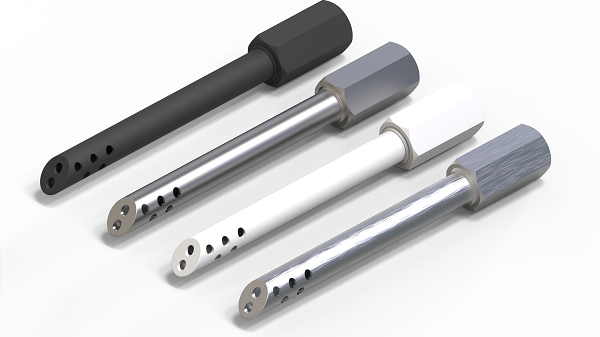
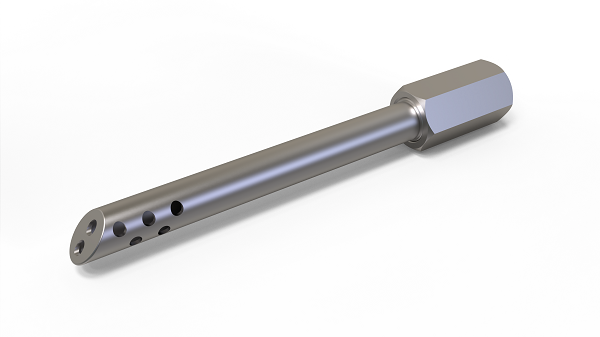
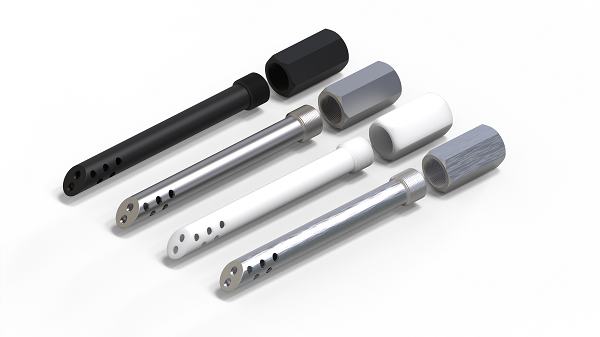


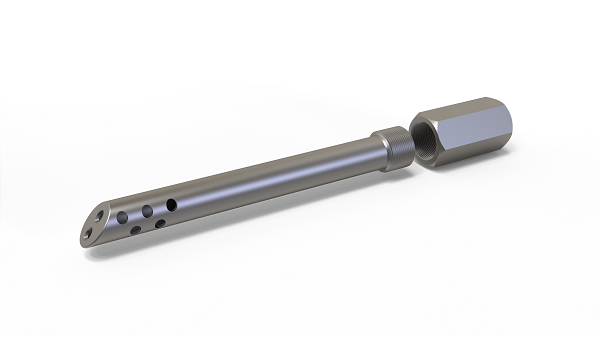
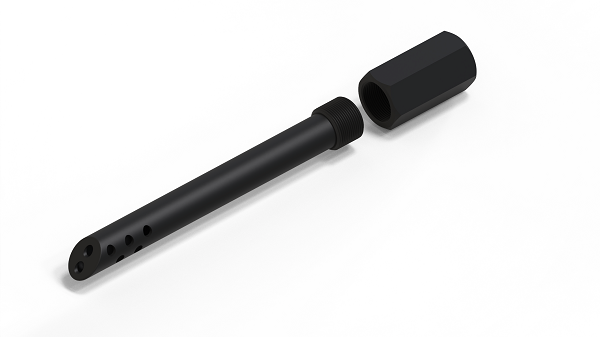
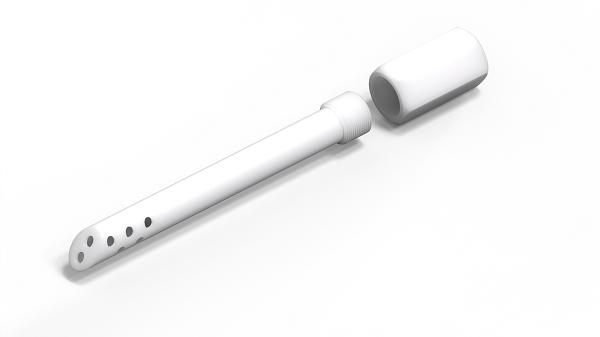
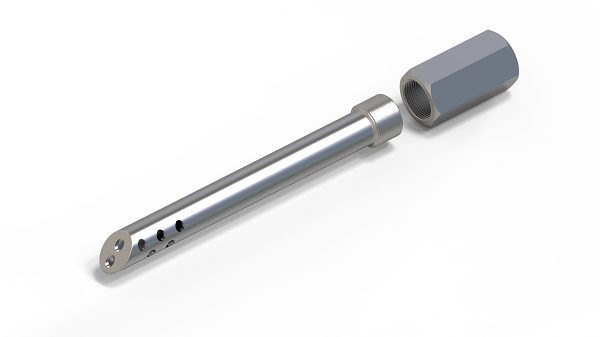
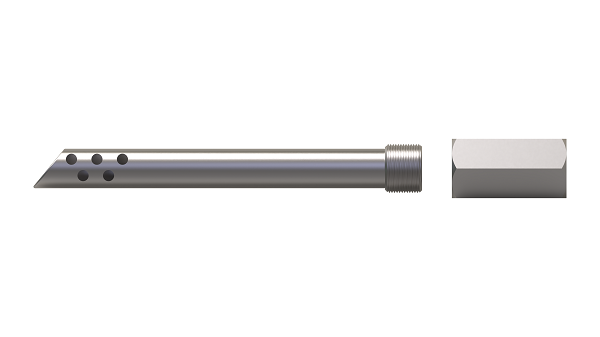
 Our Fixed Injection Quills, and machined housings, ensure reliable and even chemical dispersion at the pipeline’s center. Throughout the manufacturing process, we individually test all quills to meet high standards and ensure they are leak-free. Each unit contains a built-in, removable spring-loaded ball check that stops the injected chemical from entering the main flow when the system is switched off.


Reviews
There are no reviews yet.