 Magnetic drive mixers are innovative mixing systems that utilize magnetic coupling to transfer torque from an external drive to an impeller within a mixing vessel. Starting with the design, magnetic drive mixers feature a hermetically sealed construction that prevents leaks and contamination, making them ideal for handling hazardous or sensitive fluids. In terms of operation, these mixers use a magnetic field to drive the impeller, eliminating the need for traditional shaft seals, which are prone to leakage. Transitioning to the components, a magnetic drive mixer comprises an outer drive magnet connected to the motor and an inner driven magnet attached to the impeller. This magnetic coupling allows for the transmission of rotational energy without direct contact between the drive and the impeller, ensuring a seal-free mixing process.
Operations
Operating a magnetic drive mixer for tanks and vessels involves several key steps to ensure efficient mixing while maintaining a sealed and contamination-free environment. Initially, install the magnetic drive mixer on the top of the tank or vessel to ensure easy access for maintenance and adjustment while maintaining a hermetically sealed setup. Next, the mixer’s outer drive magnet, powered by an external motor, transmits torque to the inner driven magnet connected to the impeller inside the tank.
As the external motor activates the outer drive magnet the magnetic field is generated. As a result, this transfers rotational energy to the inner driven magnet and subsequently drives the impeller. This magnetic coupling mechanism allows for smooth and efficient mixing. A smooth mixing without the need for traditional shaft seals that may lead to leakage issues. Transitioning to the mixing process, the impeller rotates within the tank. This creates a fluid flow pattern that facilitates blending and homogenization of the contents. The design of the impeller is crucial in achieving the desired mixing intensity and circulation within the tank. Finally, it ensures a uniform distribution of components or chemicals.
Moving on to control and monitoring, operators can adjust the speed of the external motor to regulate the mixing intensity based on the viscosity of the fluids. It will also determine the desired mixing effect and the size of the tank. This level of control allows for precise mixing and optimization of the process parameters. In terms of applications, magnetic drive mixers are utilized in various industries. Such as pharmaceuticals, biotechnology, chemicals, and food processing, where maintaining aseptic and contamination-free mixing environments is essential. The sealed design of these mixers ensures product purity and integrity.
Maintenance of Magnetic Drive Mixers
Lastly, the benefits of using a magnetic drive mixer for tanks and vessels include reduced maintenance requirements, minimized risk of leaks and contamination, improved safety, and enhanced process efficiency. The hermetic sealing and torque transmission through magnetic coupling contribute to a reliable and cost-effective mixing solution. In conclusion, the operations of a magnetic drive mixer for tanks and vessels involve installing the mixer. This generates torque using a magnetic coupling, engaging the impeller for mixing. All this while controlling the speed for optimal results, and reaping the benefits of a sealed, contamination-free mixing process. Finally, this advanced mixing technology offers a reliable and efficient solution for industries requiring precision mixing. All while upholding high standards of product quality and safety.
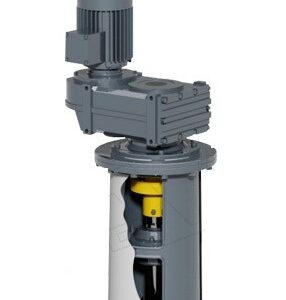
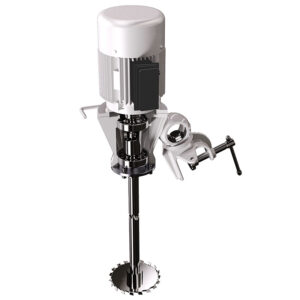
Magnetic drive tank mixers are mixers that use a magnetic coupling to transfer torque from the motor to the mixing impeller. This can be achieved without requiring a shaft seal. This design minimizes the risk of leaks and contamination. It also makes them ideal for applications where product purity and equipment reliability are critical. The main components of a magnetic drive tank mixer include the drive unit, which houses the motor and magnets. The mixer impeller, which is located inside the tank, is also housed in this. The drive unit aligns a set of magnets with another set of magnets in the impeller. When the motor rotates the magnets in the drive unit, the magnetic field couples with the magnets in the impeller. As a result, this causes it to rotate and mix the contents of the tank.
Overall, magnetic drive tank mixers provide a reliable and efficient solution for mixing applications. Applications, where preventing contamination and ensuring product purity are top priorities.
Not what you are looking for?
Top Mounted Mixers
Side Mounted Mixers
Specifications
Internals:
Product wetted parts, surface finish: Ra < 0.8 μm, mechanical polished
Working pressure: -1 to 7 bar(g)
Impeller diameters: 100, 150, 200, 250 & 300 mm
Weld plate:
For impeller size 100 & 150 mm: WP50 (clamp connection)
For impeller size 200, 250 & 300 mm: WP81 (flange-screw connection)
Materials:
Impeller & weld plate: AISI316L (UNS S31603)
Drive rotor, shaft & console: AISI304 (UNS S30400)
Bearing, male: Zirconia YTZP
Bearing, female: Silicium carbide (EN 12756)
Seals: FEP/FKM
Temperatures:
During product mixing, media: max. 90°C and ensure that the media is not boiling
During product mixing, WFI: max. 90°C and ensure that the media is not boiling
During CIP (max. 50 RPM): max. 95 °C
During SIP (0 RPM): max. 150 °C
Maximum speed:
Impeller size 100: 800 RPM (80,8 Hz)
Impeller size 150: 480 RPM (48,5 Hz)
Impeller size 200: 480 RPM (82,7 Hz)
Impeller size 250: 230 RPM (39,6 Hz)
Impeller size 300: 200 RPM (34,5 Hz)
Installation Procedures
To install magnetic tank mixers, please follow these general procedures:
Preparation:
- Ensure the tank is clean and free of debris.
- Verify that the mixer matches the specifications required for the tank.
Positioning:
- Carefully place the mixer in the desired location on the tank.
- Ensure proper alignment of the mixer with the mixing requirements.
Attachment:
- Securely attach the mixer to the tank according to the manufacturer’s instructions.
- Double-check all connections to prevent leaks or malfunctions.
Electrical Connections:
- If the mixer is powered electrically, ensure proper electrical connections are made following safety guidelines.
- Test the connection to ensure the mixer motor operates correctly.
Testing:
- Before operation, conduct a test run of the mixer to ensure it operates smoothly.
- Adjust speed and mixing parameters as needed.
Safety Check:
- Ensure all safety features are intact and functional, such as emergency stop buttons or overload protection.
Operation Manual:
- Keep the operation manual in a readily accessible location for future reference.
- Train personnel on how to properly operate the mixer and adhere to safety protocols.
Maintenance:
- Establish a routine maintenance schedule for the mixer to ensure optimal performance and longevity.
- Regularly inspect components for wear and tear, and replace any damaged parts promptly.
These steps provide a general guideline for installing magnetic tank mixers. For specific instructions, always refer to the manufacturer’s manual or seek professional assistance if needed.
Maintenance
Magnetic drive mixers use magnetic fields to drive the impeller without direct mechanical contact, which reduces the risk of leakage and wear. Regular maintenance is essential to ensure the efficient operation and longevity of these mixers. Follow these procedures to maintain your magnetic drive mixer:
Routine Inspection
- Visual Inspection: Regularly check the mixer for any signs of damage or wear. Look for leaks, corrosion, or any unusual noise during operation.
- Magnetic Coupling: Inspect the magnetic coupling for any signs of misalignment or wear. Ensure that the magnetic coupling is properly aligned and securely attached.
Cleaning
- Scheduled Cleaning: Clean the mixer according to the manufacturer’s recommendations or based on the specific process requirements.
- Cleaning Agents: Use cleaning agents that are compatible with the materials of the mixer. Avoid abrasive or corrosive cleaners that could damage the components.
- Cleaning Procedure:
- Flush the System: Flush the mixer with a suitable cleaning solution to remove residual materials.
- Disassemble if Needed: If necessary, disassemble the mixer for thorough cleaning. Ensure you keep track of all components and follow safety procedures.
- Clean Components: Clean all internal and external parts gently. Remove any buildup or residue.
Checking Performance
- Operational Monitoring: Regularly monitor the mixer’s performance to ensure it is operating within specified parameters. Check for consistent mixing and any signs of performance issues.
- Flow Rate and Pressure: Verify that the flow rate and pressure are within the designed specifications. Adjust as needed based on the process requirements.
Inspection of Internal Components
- Disassembly: Periodically disassemble the mixer to inspect internal components, especially if there are signs of operational issues.
- Magnetic Elements: Check the magnetic elements for wear or damage. Ensure that they are clean and free from any debris that could affect their performance.
- Impeller and Bearings: Inspect the impeller and bearings for signs of wear or damage. Replace any worn components as necessary.
Lubrication
- Check Lubrication: If the mixer’s design includes lubricated components, ensure that they are adequately lubricated. Follow the manufacturer’s recommendations for the type and amount of lubricant.
- Replace Lubricant: Change the lubricant at intervals recommended by the manufacturer, or sooner if you observe any performance issues.
Calibration and Adjustment
- Calibration Checks: For mixers with integrated sensors or controls, ensure that they are properly calibrated. Check for accuracy and adjust as necessary to maintain proper operation.
- Operational Adjustments: Make any necessary adjustments to the mixer settings based on performance evaluations or changes in process requirements.
Documentation
- Maintenance Records: Keep detailed records of all maintenance activities, including inspections, cleaning, part replacements, and performance adjustments. This documentation is useful for tracking the mixer’s condition and planning future maintenance.
- Issue Reporting: Document any issues encountered and report them to the appropriate personnel or service provider for further action.
Training
- Operator Training: Ensure that operators are trained in the proper use and maintenance of the magnetic drive mixer. Provide them with guidelines and procedures for routine checks and maintenance.
- Ongoing Training: Update training as necessary based on any changes in procedures or technology.
Safety Checks
- Follow Safety Protocols: Always adhere to safety protocols during maintenance. Use appropriate personal protective equipment (PPE) and follow lockout/tagout procedures if required.
- Emergency Procedures: Be familiar with emergency procedures in case of equipment failure or accidents during maintenance.
By following these maintenance procedures, you can help ensure the efficient operation and longevity of your magnetic drive mixer, reducing the risk of unexpected downtime and maintaining high-quality mixing performance.
Q&A
Q: What are magnetic drive tank mixers?
A: Magnetic drive tank mixers are mixers that use a magnetic coupling to transfer torque from the motor to the mixing impeller without the need for a shaft seal. This design minimizes the risk of leaks and contamination, making them ideal for applications where product purity and equipment reliability are critical.
Q: What are the main advantages of magnetic drive tank mixers?
A: The advantages include leak prevention, contamination control, reduced maintenance, enhanced safety, and versatility in accommodating various application requirements.
Q: In what industries are magnetic drive tank mixers commonly used?
A: These mixers are commonly used in industries such as pharmaceuticals, biotechnology, food and beverage, and chemical processing, where maintaining product integrity is crucial.
Q: What are the potential drawbacks of magnetic drive tank mixers?
A: Some potential drawbacks include higher initial costs, torque limitations in certain applications, temperature limitations, and the need to carefully consider material compatibility for specific applications.
Q: How do magnetic drive tank mixers enhance safety in industrial applications?
A: By eliminating the risk of leaks and exposure to hazardous materials, magnetic drive tank mixers enhance safety by protecting both operators and the environment in industrial settings.
I hope this Q&A provides a helpful overview of magnetic drive tank mixers for you! If you have any specific questions, feel free to ask.
Advantages / Disadvantages
Regarding benefits, magnetic drive mixers offer advantages such as reduced maintenance, increased safety, and improved process efficiency. The absence of shaft seals eliminates the risk of leaks and reduces maintenance downtime, leading to cost savings and enhanced operational reliability. In conclusion, magnetic drive mixers are advanced mixing systems that provide a reliable and efficient solution for industries requiring aseptic mixing, containment of hazardous materials, and sterile processing. Their innovative design, versatile applications, and benefits make them indispensable tools for achieving precise and contamination-free mixing operations.
Advantages
Leak Prevention: Unlike traditional mixers with shaft seals, magnetic drive tank mixers eliminate the risk of leaks, making them ideal for applications involving hazardous or expensive materials.
Contamination Control: The absence of a shaft seal helps prevent contamination, making magnetic drive tank mixers suitable for industries where product purity is crucial, such as pharmaceuticals and food processing.
Reduced Maintenance: Without a mechanical seal, these mixers require less maintenance, resulting in lower operating costs and reduced downtime.
Safety: Magnetic drive tank mixers enhance safety by minimizing the risk of leaks and exposure to potentially harmful substances, making them suitable for environments where safety is a top priority.
Versatility: These mixers can be customized to suit specific application requirements, accommodating various tank sizes, mixing intensities, and material compatibilities.
Disadvantages
Cost: Magnetic drive tank mixers can be more expensive upfront compared to traditional mixers with shaft seals.
Torque Limitations: In some cases, magnetic drive mixers may have torque limitations, which can impact their suitability for applications requiring high-torque mixing.
Temperature Limitations: Some magnetic drive mixers may have limitations related to operating temperatures, potentially restricting their use in high-temperature environments.
Material Compatibility: Compatibility with certain materials and chemicals should be carefully considered to ensure that the magnetic drive tank mixer is suitable for the intended application.
Despite these potential drawbacks, the advantages of leak prevention, contamination control, reduced maintenance, safety enhancements, and versatility make magnetic drive tank mixers a preferred choice in many industries where maintaining product integrity and safety are paramount.
Applications
Magnetic drive tank mixers are used in various industrial applications where maintaining product purity, preventing leaks, and enhancing safety are essential. Some common applications include:
Pharmaceutical and Biotechnology: Magnetic drive tank mixers are ideal for mixing pharmaceutical ingredients, bioreactors, and other sensitive biological materials where contamination control and product integrity are critical. Magnetic drive mixers are commonly used in industries where maintaining a sterile environment or preventing cross-contamination is critical, such as pharmaceutical manufacturing, biotechnology, and food processing. The hermetic sealing of these mixers ensures product purity and integrity. In pharmaceutical manufacturing, magnetic drive mixers are employed for blending sensitive drug formulations or sterile solutions where contamination must be minimized. These mixers meet stringent regulatory requirements and provide aseptic mixing conditions essential for pharmaceutical production. Transitioning to biotechnology applications, magnetic drive mixers are utilized in bioreactors and fermentation tanks for cell culture, protein expression, and bioconversion processes. Their leak-proof design and precise mixing capabilities contribute to optimal cell growth and product yield.
Food and Beverage: These mixers are used for blending ingredients, suspending solids, and mixing beverages, ensuring product consistency and hygiene in food and beverage processing. In the food processing industry, magnetic drive mixers are ideal for mixing ingredients in food production, such as sauces, beverages, and dairy products. Their sterile and hygienic design ensures conformity with food safety standards and maintains product quality.
Chemical Processing: In chemical manufacturing, magnetic drive tank mixers are used for blending and reacting various chemical compounds, providing a leak-free and contamination-resistant mixing solution.
Cosmetics and Personal Care: These mixers are utilized for blending and homogenizing cosmetic ingredients, creams, lotions, and other personal care products where maintaining product purity is crucial.
Research and Development: Magnetic drive tank mixers play a role in laboratory and pilot-scale research, helping to mix and process materials in a controlled and contamination-free environment.
Specialty Chemicals: In the production of specialty chemicals such as catalysts, polymers, and specialty coatings, magnetic drive tank mixers are used to ensure reliable and contamination-free mixing processes.
These are just a few examples, but magnetic drive tank mixers are versatile and can be adapted to many other applications where leak prevention, contamination control, and safety are top priorities.
Downloads
Drawings
Only logged in customers who have purchased this product may leave a review.

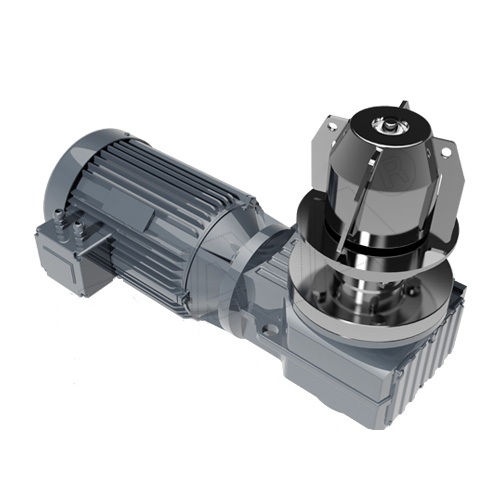
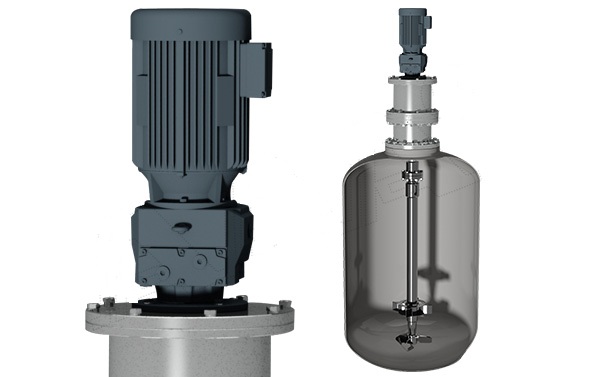
 Magnetic drive mixers are innovative mixing systems that utilize magnetic coupling to transfer torque from an external drive to an impeller within a mixing vessel. Starting with the design, magnetic drive mixers feature a hermetically sealed construction that prevents leaks and contamination, making them ideal for handling hazardous or sensitive fluids. In terms of operation, these mixers use a magnetic field to drive the impeller, eliminating the need for traditional shaft seals, which are prone to leakage. Transitioning to the components, a magnetic drive mixer comprises an outer drive magnet connected to the motor and an inner driven magnet attached to the impeller. This magnetic coupling allows for the transmission of rotational energy without direct contact between the drive and the impeller, ensuring a seal-free mixing process.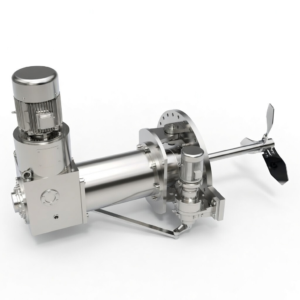



Reviews
There are no reviews yet.