

BLADE
A Blade Static Mixer Element is a fixed device. With blades designed to enhance fluid mixing by creating turbulence as the flow passes through. It splits and reorients the fluid, ensuring uniform blending without moving parts, commonly used in chemical, water treatment, and food processing industries for efficient mixing.

WAFFLE
A Waffle Static Mixer Element features a grid-like structure resembling a waffle, designed to disrupt fluid flow for efficient mixing. As fluids pass through, the element creates turbulence and redirects flow, promoting uniform blending. It is widely used in chemical, water treatment, and polymer industries for consistent mixing.

LATTICE
A Lattice Static Mixer Element consists of an interwoven grid-like structure that enhances fluid mixing by breaking and redirecting flow patterns. This design induces turbulence, promoting efficient blending of liquids or gases. Common in chemical, food, and water treatment industries, it offers consistent, energy-efficient mixing without moving parts.

HELICAL
A Helical Static Mixer Element features spiral-shaped blades that create rotational flow as fluids pass through, promoting thorough mixing. The helical design generates controlled turbulence and enhances blending by repeatedly splitting and folding the flow. It’s widely used in industries like chemical processing, water treatment, and polymer production.
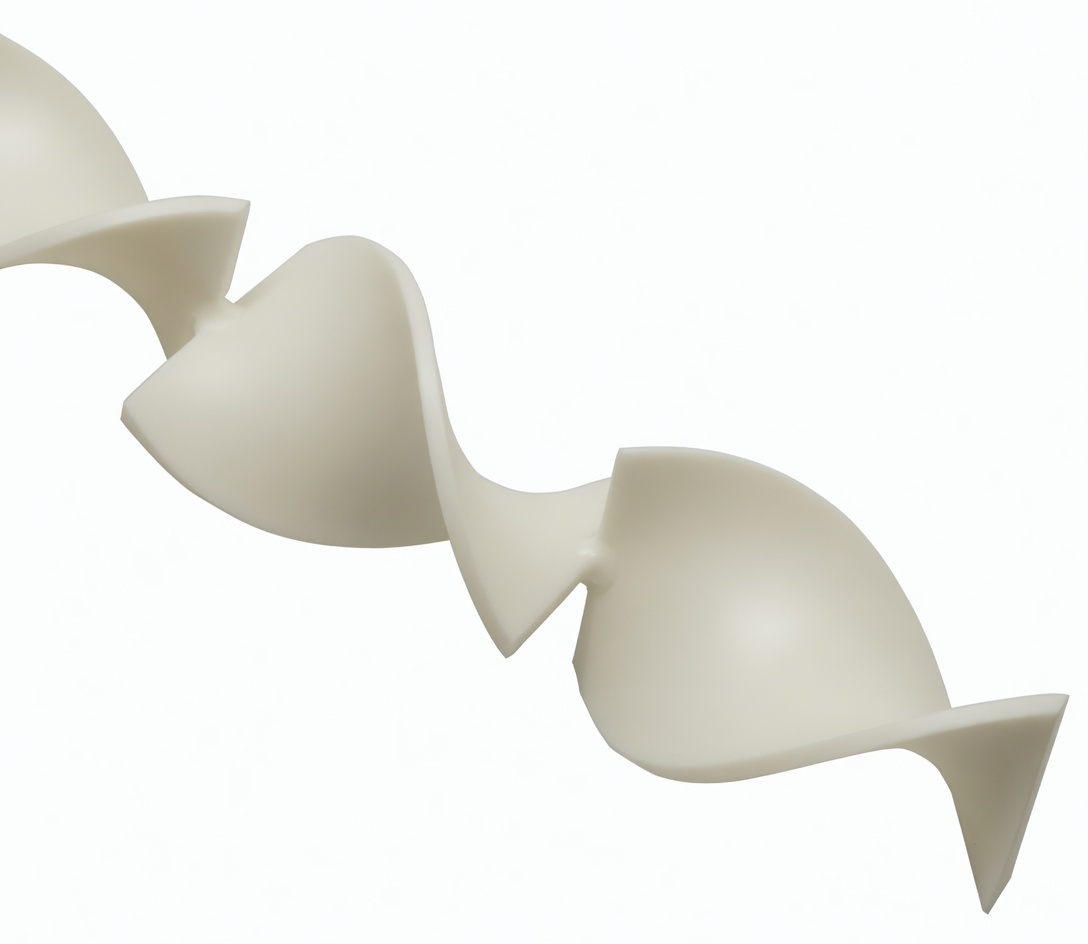
PTFE (Teflon)
The general anti acid corrosion of alkaline, alkaline solution not dissolved or changed in a common solvent medium. But it will be corroded by high temperature melting, alkali metal fluoride and three chlorine fluoride. (Long Time Resistance 250C, Short Time Resistance 350C)
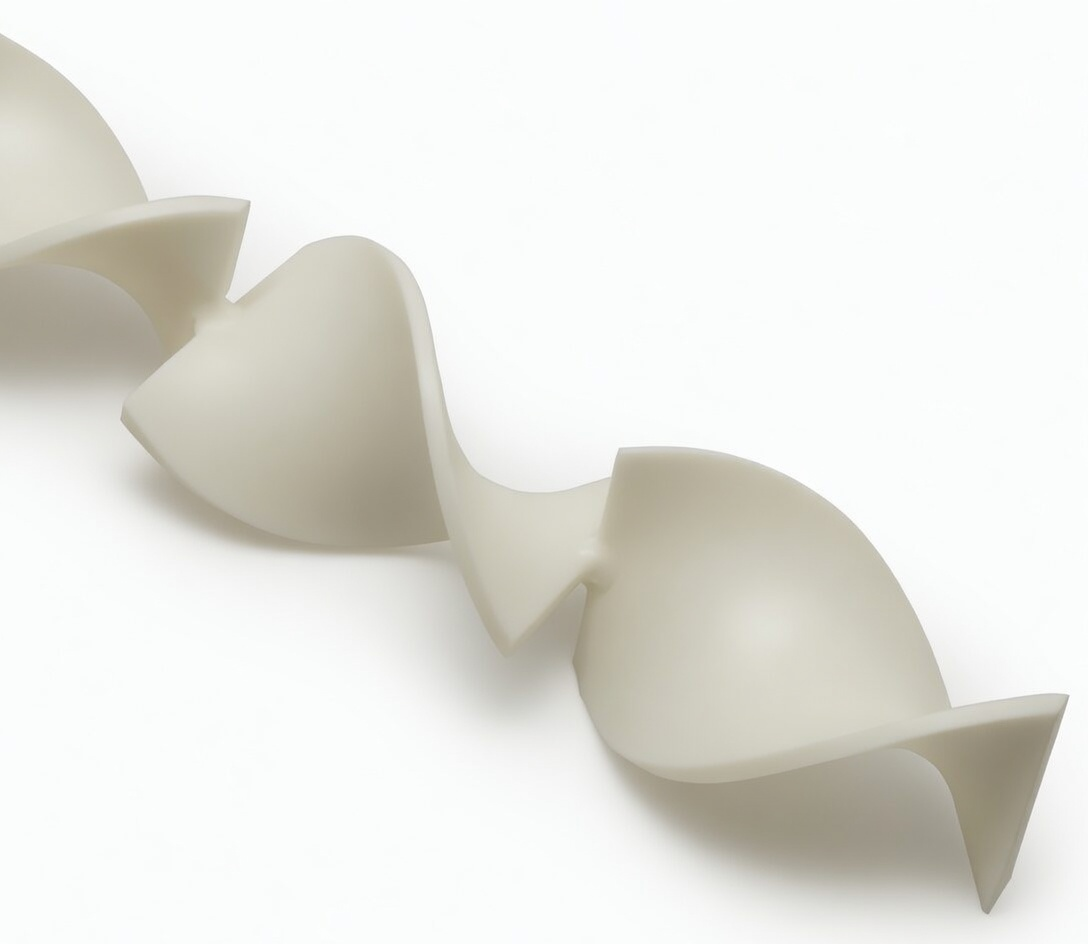
PVDF (Polyvinylidene Fluoride)
Excellent resistance to high temperature, acid, salty and organic chemicals, but will be corroded by sulfuric acid gas and strong alkali ammonia. Under certain conditions, PVDF is suitable for application on ketones, esters, ethers, organic compounds and alkaline solutions (Long Time Resistance 140C, Short Time Resistance 150C)
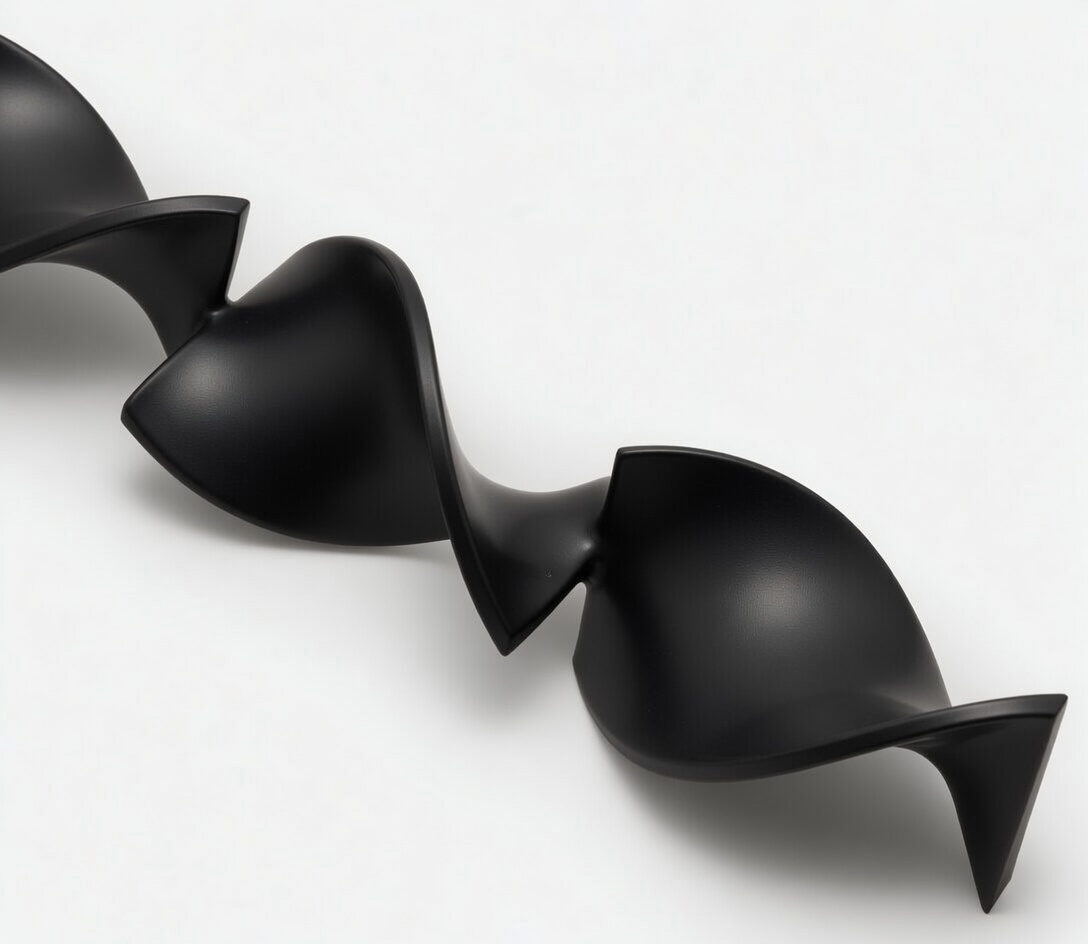
PVC (Polyvinyl Chloride)
The general anti acid corrosion of alkaline, alkaline solution, but it will be corroded by aromatic hydrocarbons, esters, ketones, etc. chemicals (Long Time Resistance 55C, Short Time Resistance 60C)
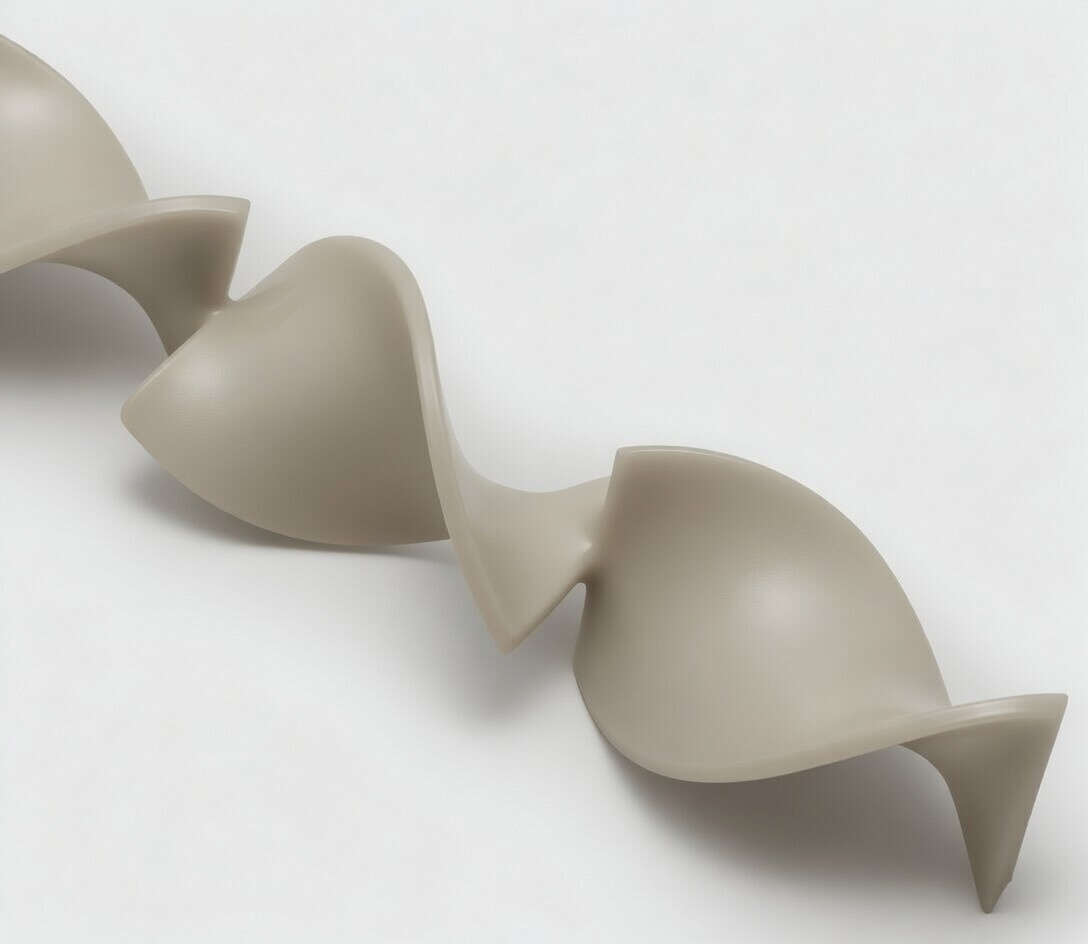
CPVC (Chlorinated Polyvinyl Chloride)
The physical properties is the same hard as PVC, but the chemical resistance, high temperature resistance and mechanical properties is better than PVC (Long Time Resistance 95C, Short Time Resistance 100C)