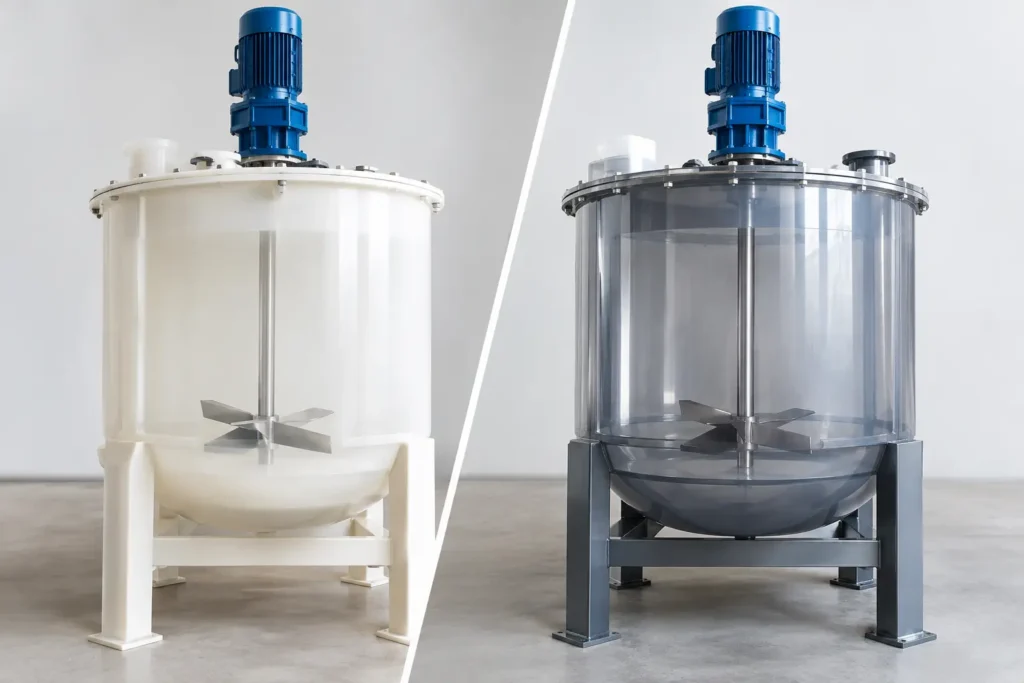
How to Prevent Tank Vortexing in Mixing Systems

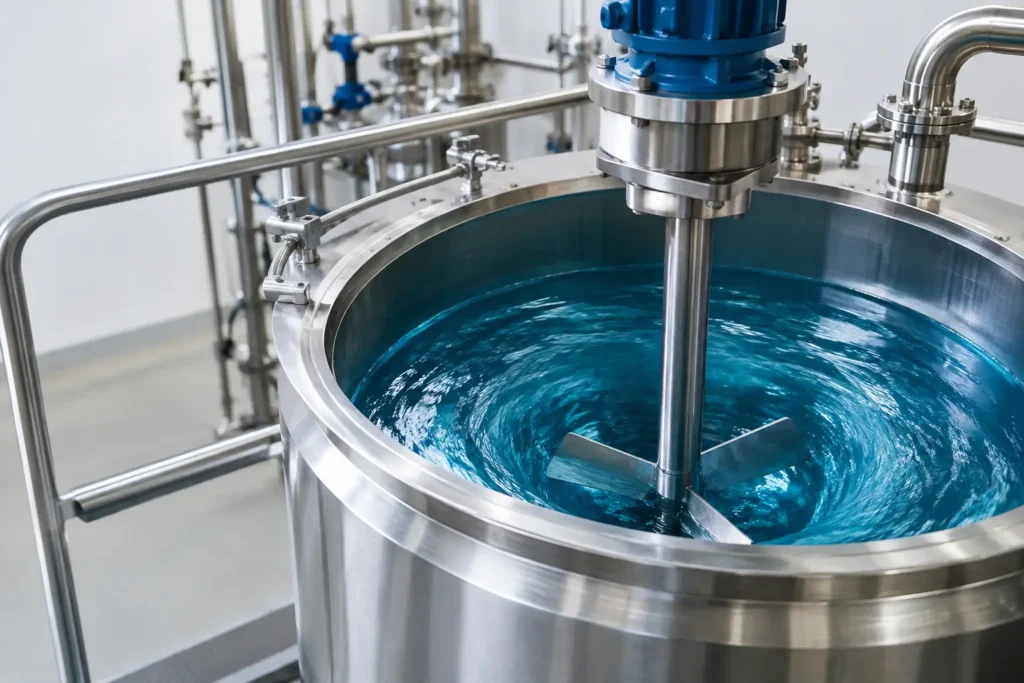
A deep surface funnel in an agitated vessel may look like evidence of vigorous mixing. In many industrial processes, it is evidence that too much mixer energy is being converted into liquid rotation instead of useful bulk circulation. Knowing how to prevent tank vortexing protects batch consistency, reduces air entrainment, and helps the mixer deliver

How to Prevent Tank Vortexing in Mixing Systems Read More »

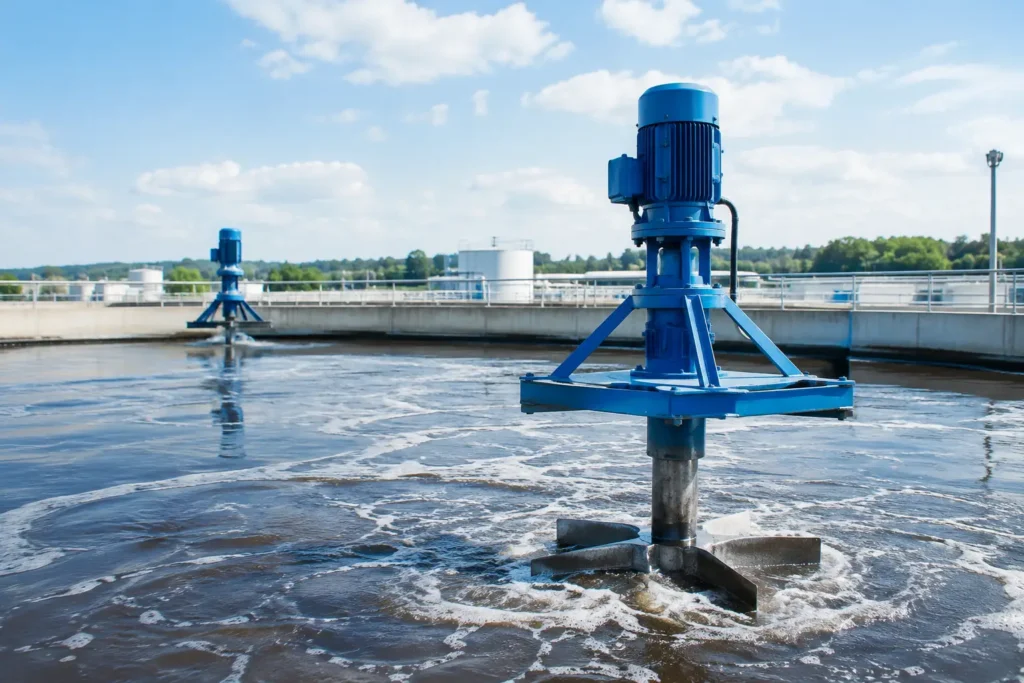
Poor Blending Causes in Industrial Processes

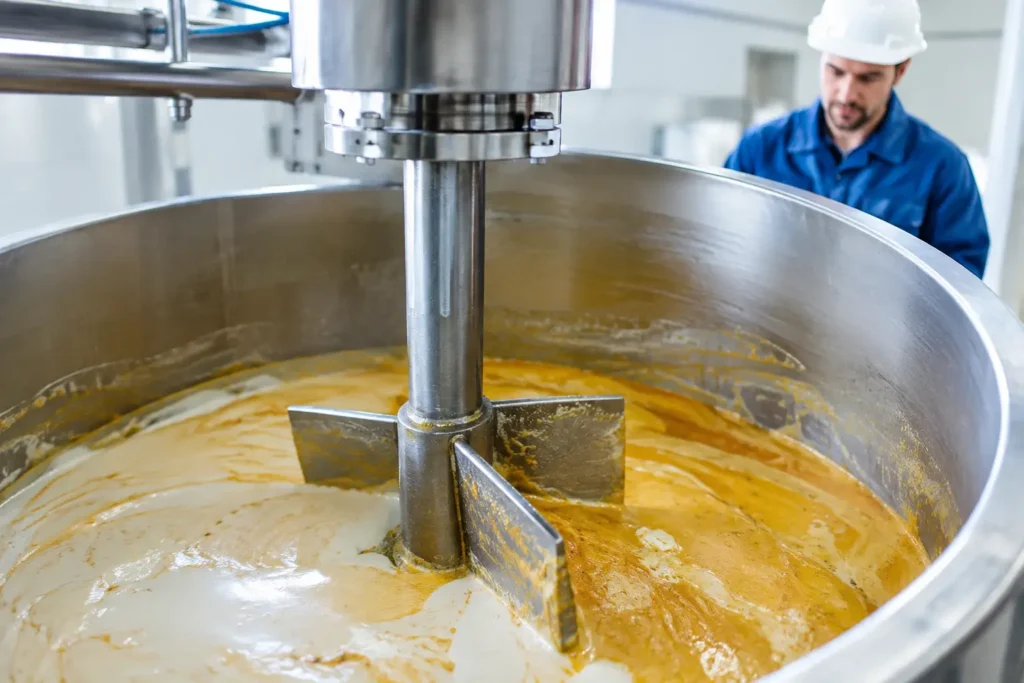
A batch can look uniform at the tank surface and still fail quality testing hours later. Concentration gradients, undispersed additives, separated phases, and inconsistent viscosity often point to the same root problem: poor blending causes are usually process-design issues, not simply a lack of mixer horsepower. For plant teams, the practical question is not whether

Poor Blending Causes in Industrial Processes Read More »

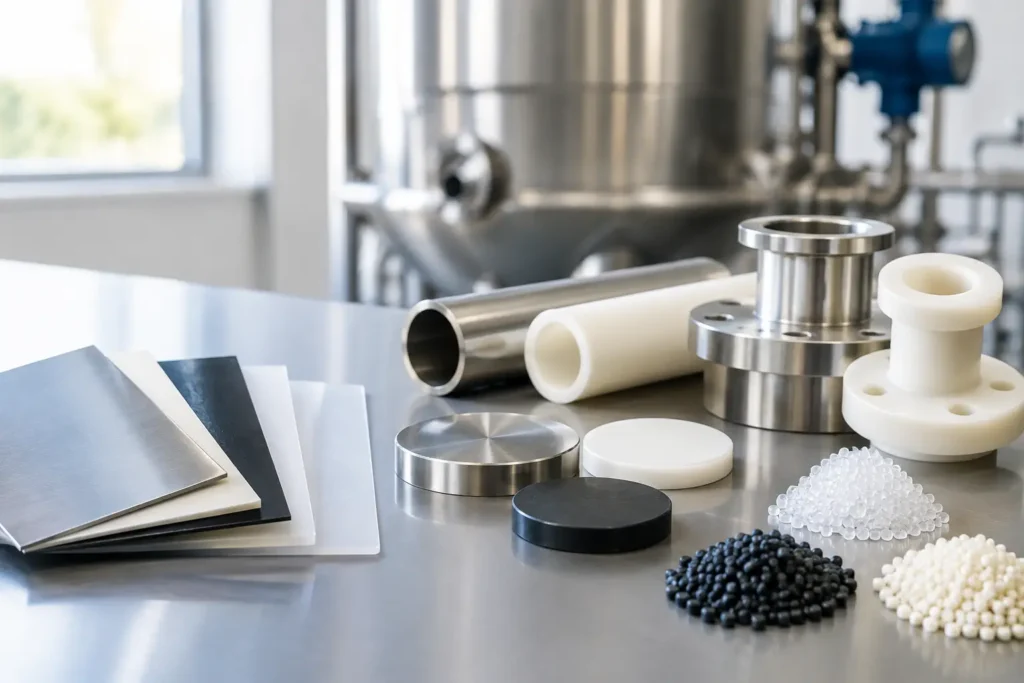
Mechanical Versus Static Mixing for Your Process

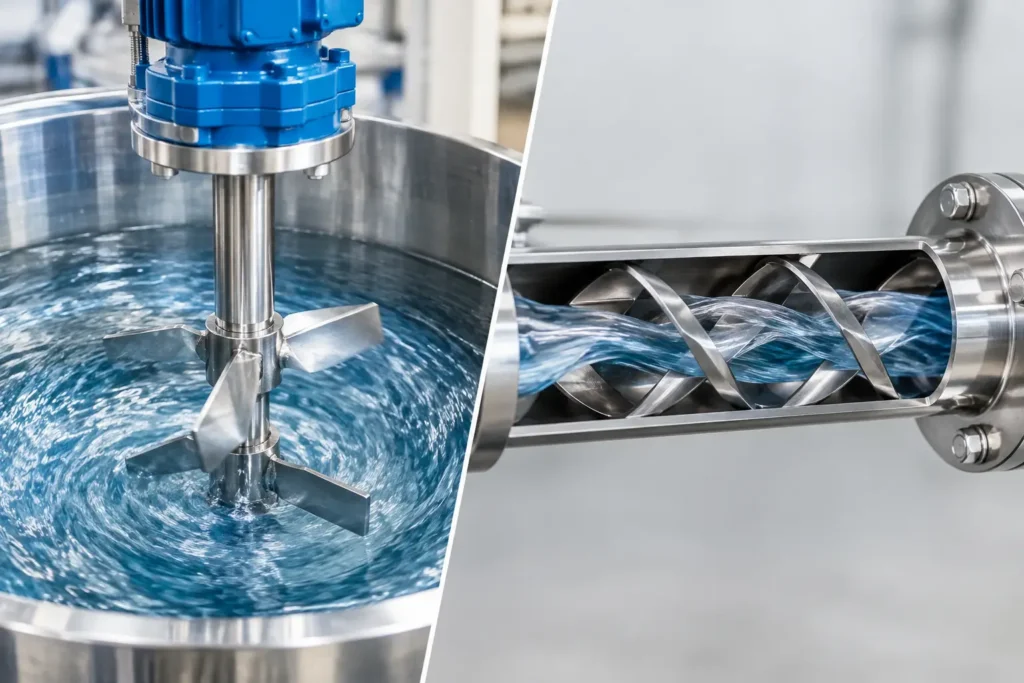
A poor mixer selection rarely fails at startup. It fails when product quality shifts, a dosing point plugs, a batch cycle stretches, or a maintenance shutdown exposes the real cost of moving fluid. The decision between mechanical versus static mixing affects far more than blend uniformity. It determines where energy enters the process, how much

Mechanical Versus Static Mixing for Your Process Read More »

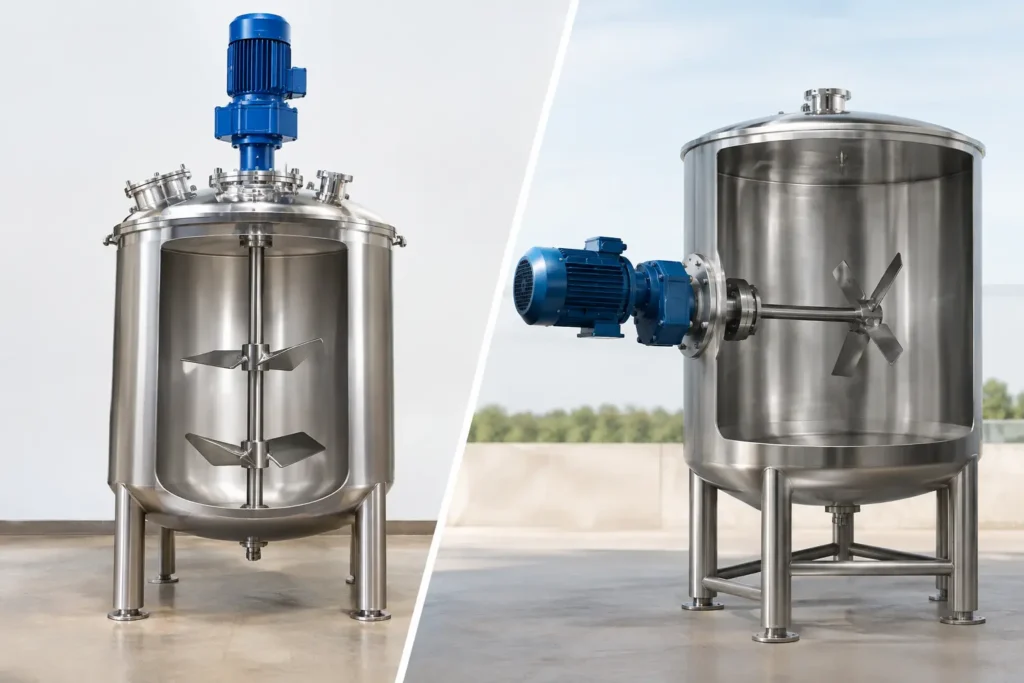
Best Mixers for Polymer Blending in Production

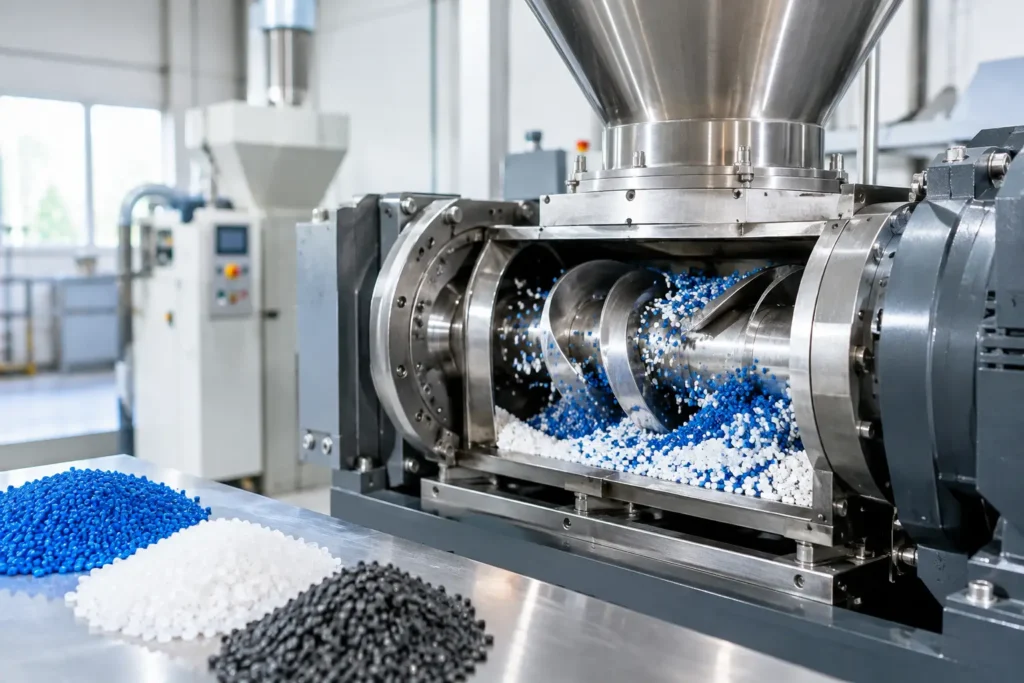
Polymer blending problems rarely begin with a mixer horsepower calculation. They begin when a resin solution, latex, thickener, plasticizer, pigment package, or reactive additive enters the process at the wrong point, sees too much shear, or remains concentrated long enough to form fisheyes and agglomerates. The best mixers for polymer blending are selected around the

Best Mixers for Polymer Blending in Production Read More »

Process Intensification for Smarter Plant Design

For plant teams, the objective is not simply to install smaller equipment. The objective is to obtain a more controlled process: faster blending, tighter product consistency, safer chemical addition, lower waste, and capacity gains that do not require a major building expansion. The right solution depends on the fluid properties, reaction kinetics, flow regime, cleanability

Process Intensification for Smarter Plant Design Read More »