Static Mixers – Posts

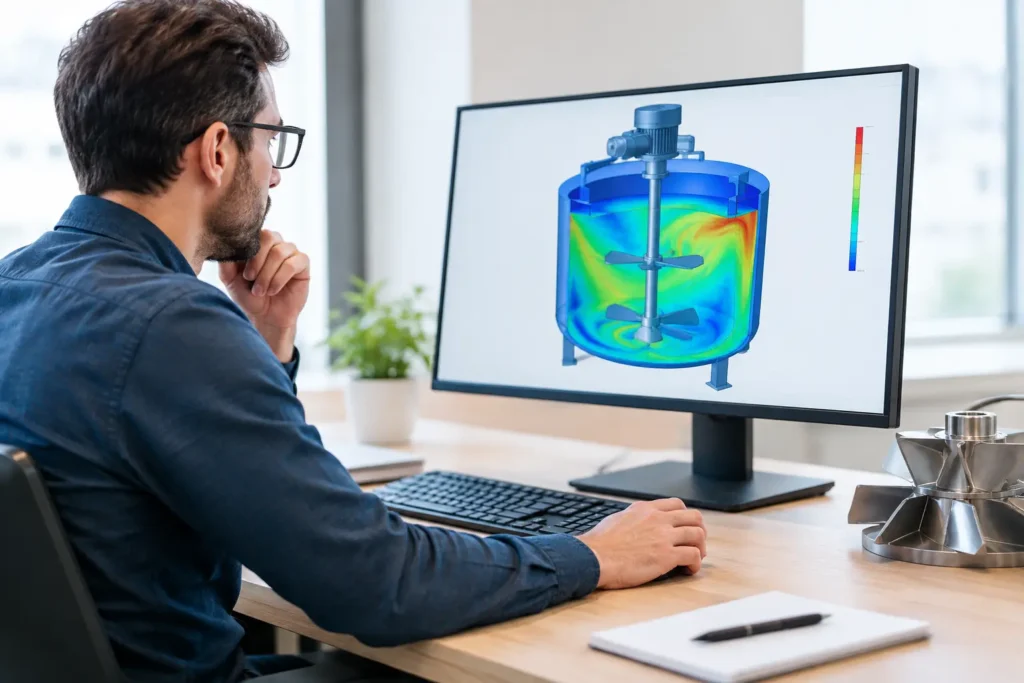
How to Specify Static Mixers for Process Duty

A static mixer can be a compact solution to a costly process problem, but only when the injection point, mixer geometry, flow regime, and pressure budget work together. Installing mixing elements in a pipe will not compensate for an underperforming chemical feed pump, poor feed distribution, incompatible materials, or insufficient available pressure. For industrial applications,

How to Specify Static Mixers for Process Duty Read More »
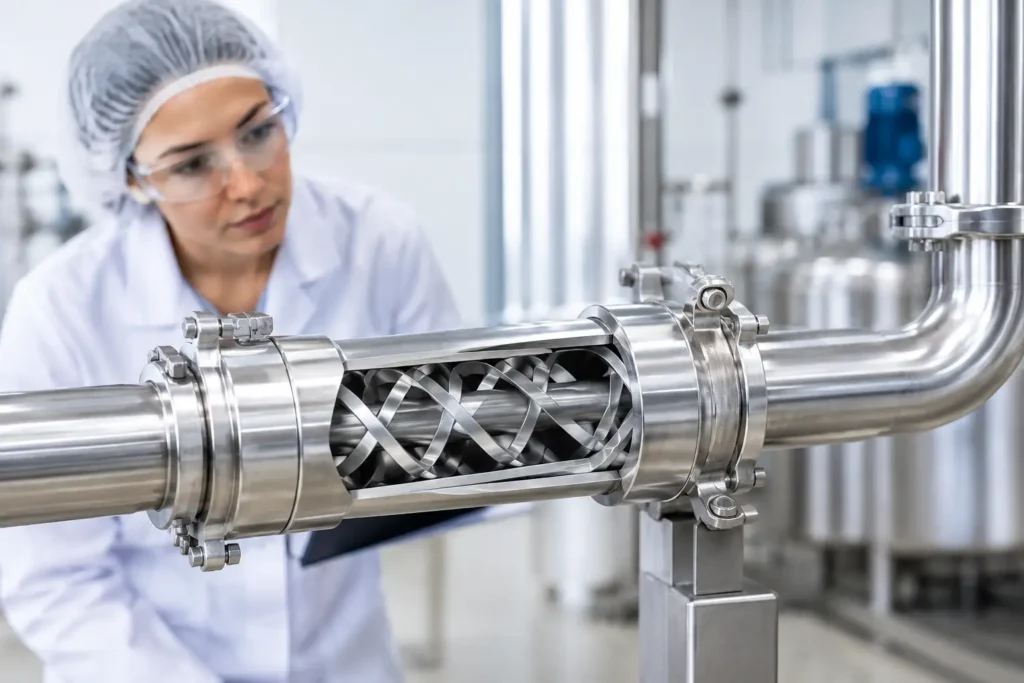
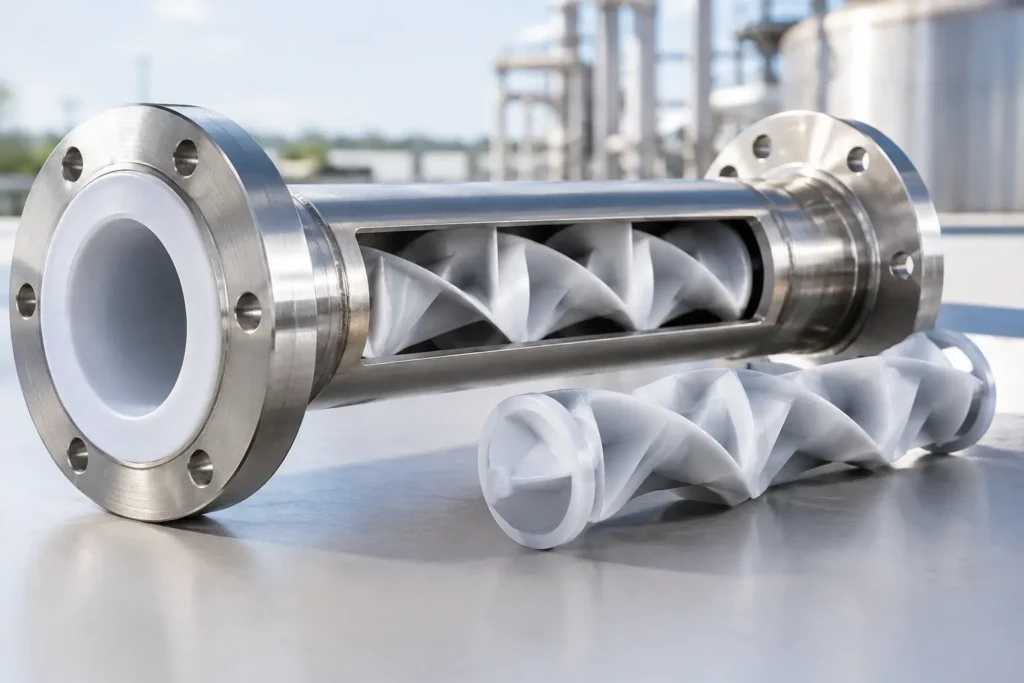
Best Mixers for Polymer Blending in Production

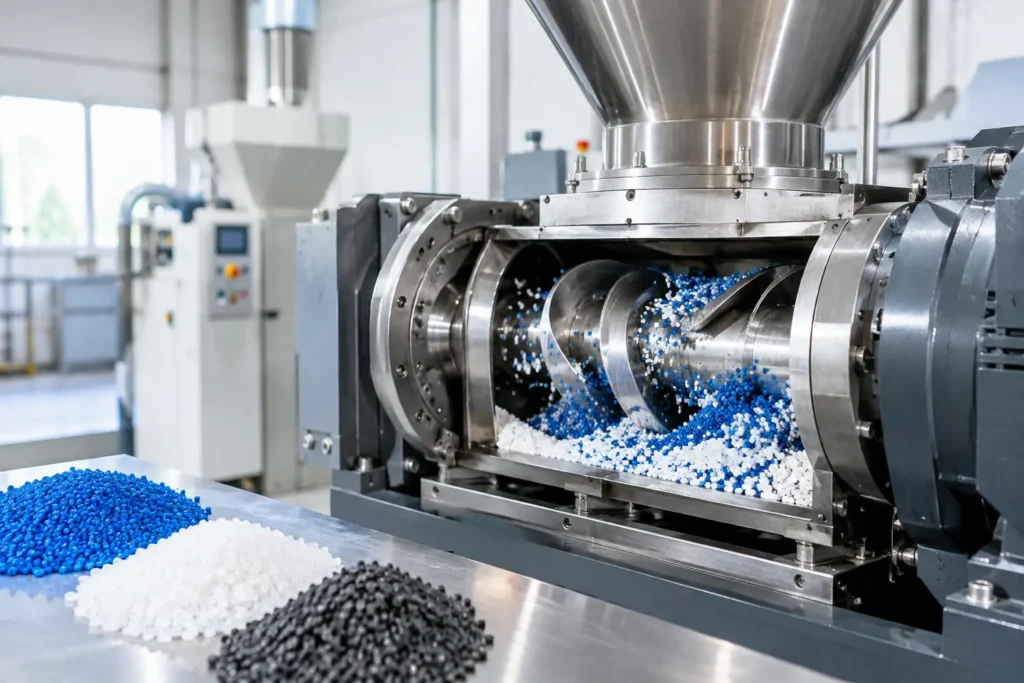
Polymer blending problems rarely begin with a mixer horsepower calculation. They begin when a resin solution, latex, thickener, plasticizer, pigment package, or reactive additive enters the process at the wrong point, sees too much shear, or remains concentrated long enough to form fisheyes and agglomerates. The best mixers for polymer blending are selected around the

Best Mixers for Polymer Blending in Production Read More »

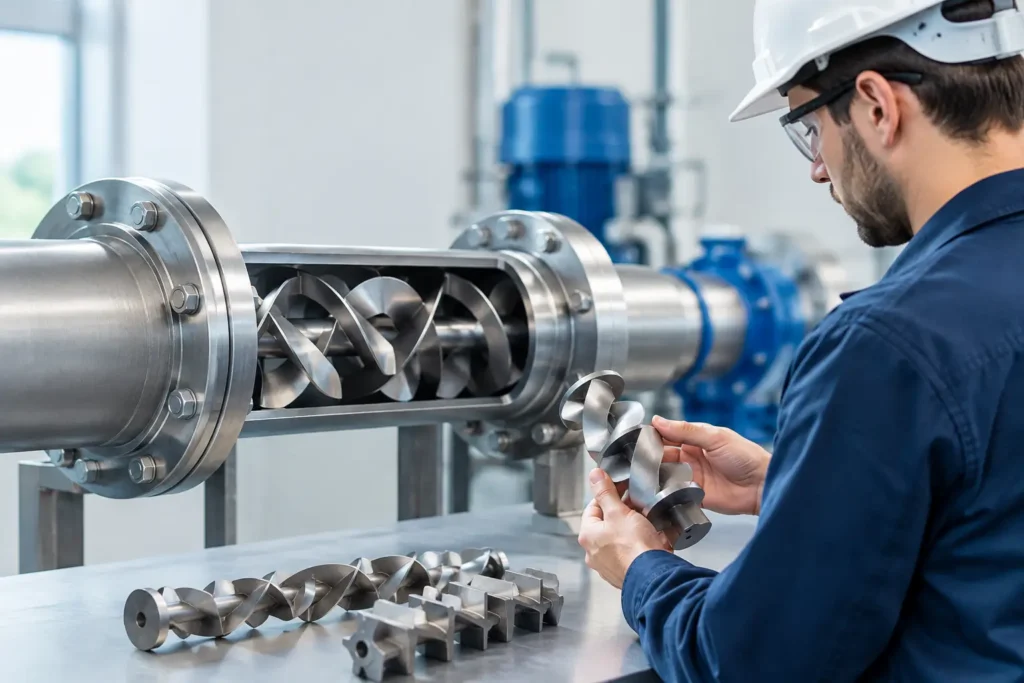
Process Intensification for Smarter Plant Design

For plant teams, the objective is not simply to install smaller equipment. The objective is to obtain a more controlled process: faster blending, tighter product consistency, safer chemical addition, lower waste, and capacity gains that do not require a major building expansion. The right solution depends on the fluid properties, reaction kinetics, flow regime, cleanability

Process Intensification for Smarter Plant Design Read More »

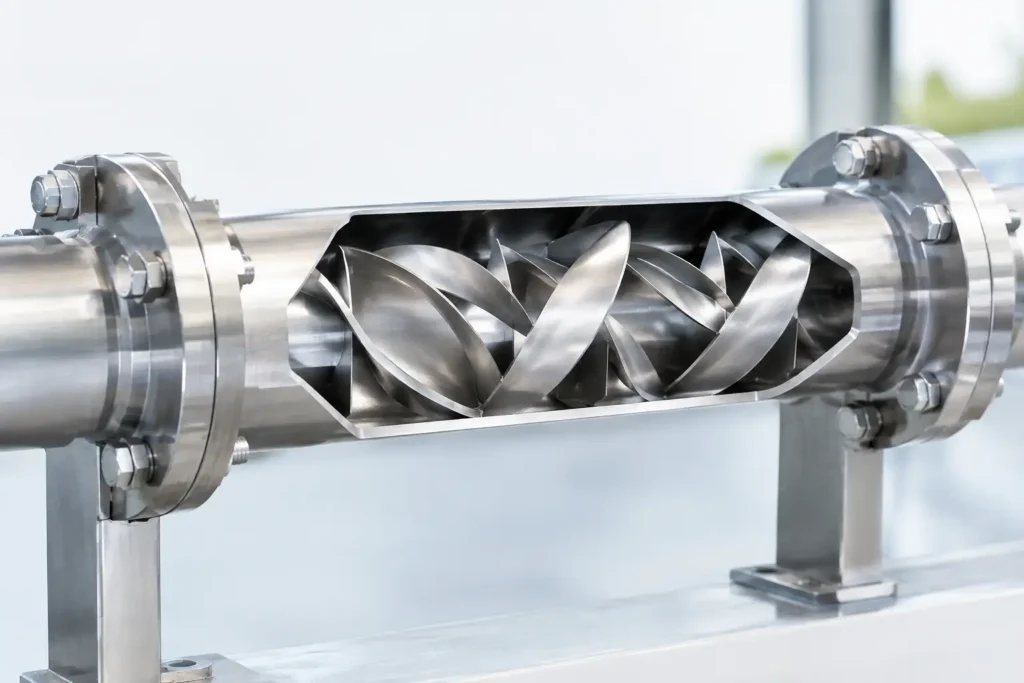
Inline Static Mixer Design That Performs

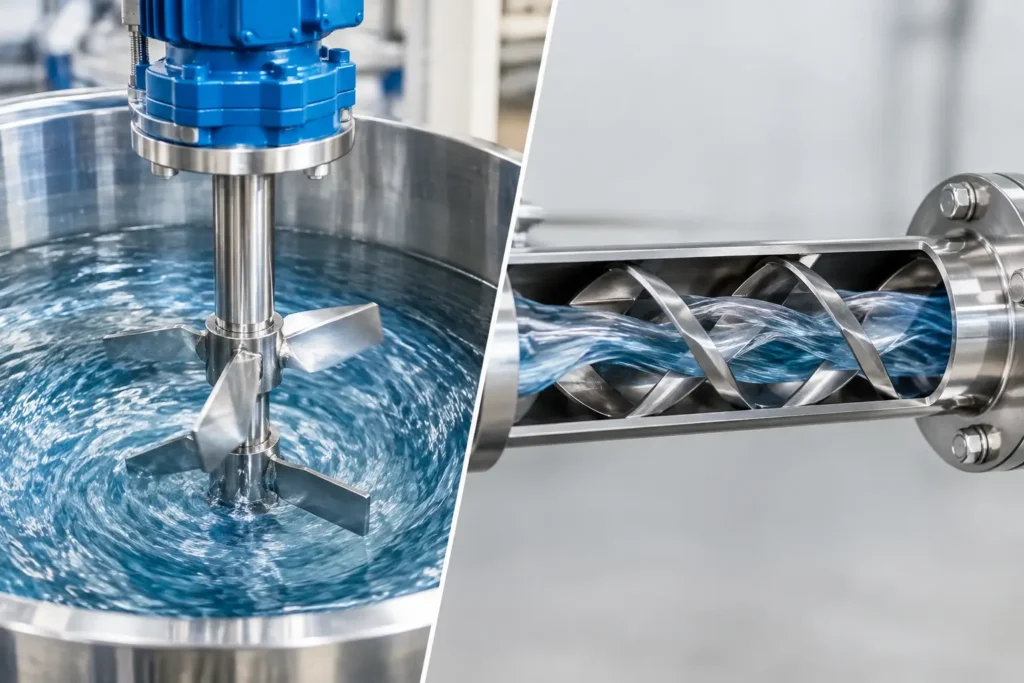
A static mixer can appear deceptively simple: a pipe housing containing fixed elements. Yet inline static mixer design has a direct effect on blend uniformity, chemical consumption, pressure drop, residence time, downstream equipment protection, and process reliability. The difference between a mixer that merely creates turbulence and one that consistently meets a concentration or reaction

Inline Static Mixer Design That Performs Read More »