ProMixUSA maintains Stainless Steel Static Mixers product lines to suit numerous mixing applications. Whether your application requires a quick flash blend or a demanding mix with high corrosion resistance, ProMixUSA offers multiple in-stock or customized options. A precision-engineered device called a stainless steel inline static mixer is utilized across industries for efficiently mixing fluids without requiring moving parts. Let’s delve into a detailed description of a stainless steel inline static mixer:
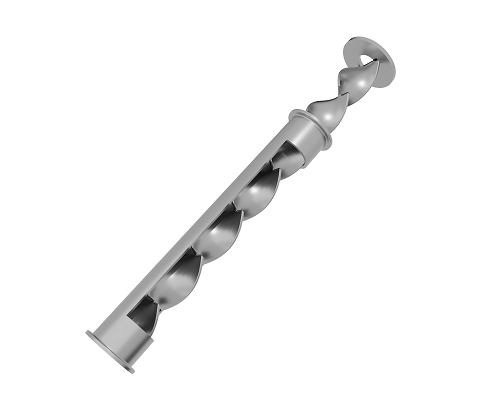
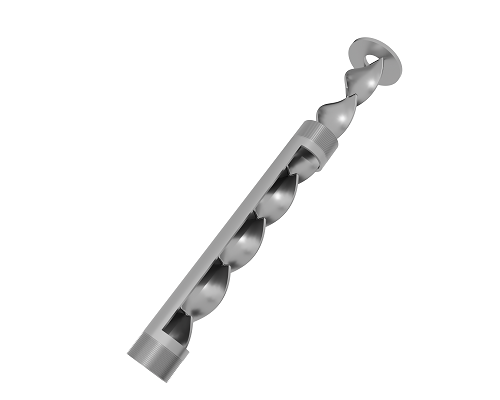
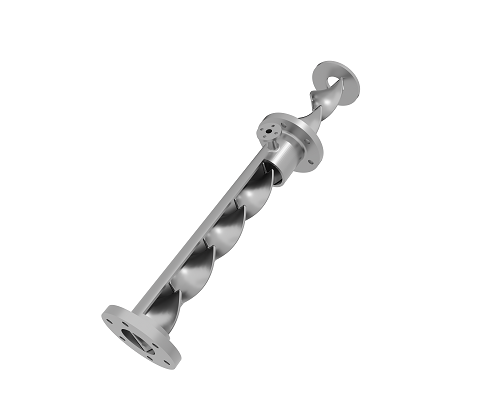
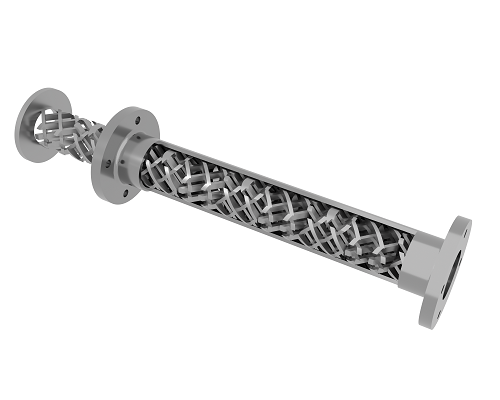
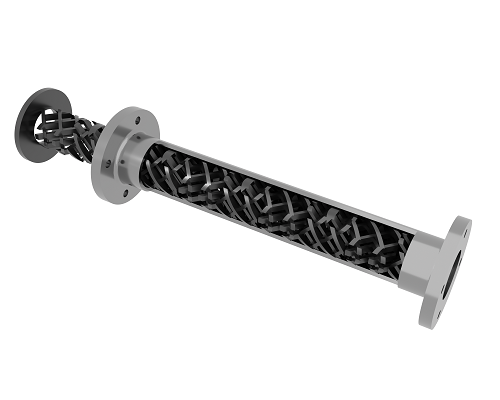
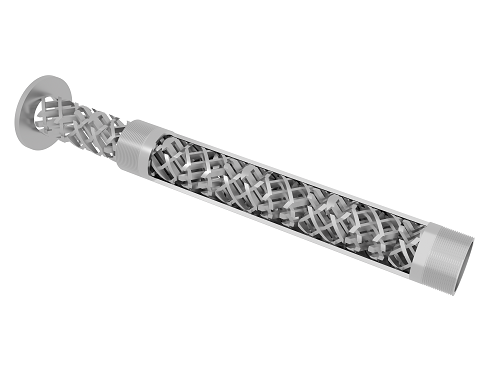
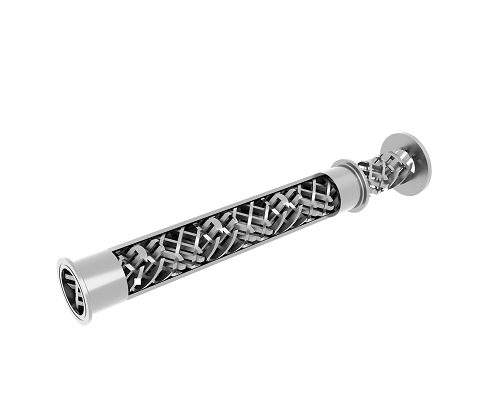
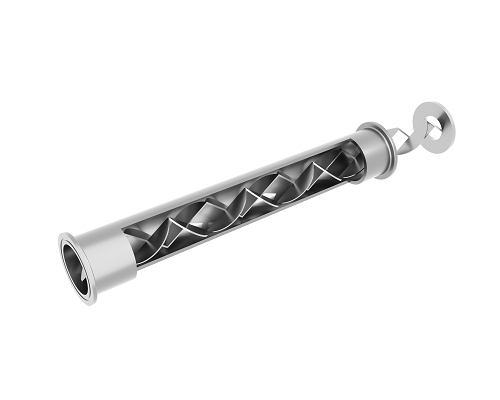
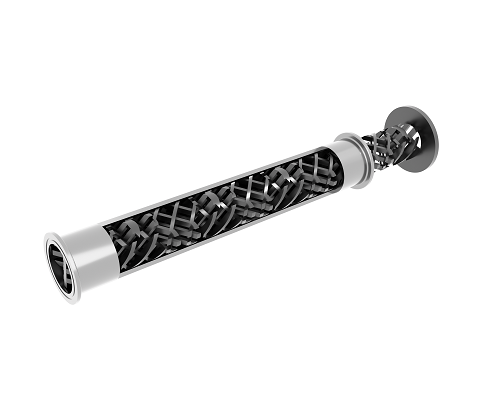
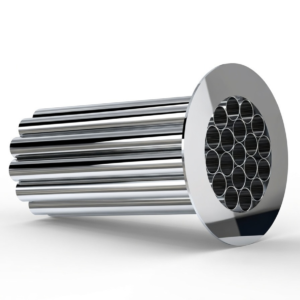
Constructed from durable stainless steel, a stainless steel static mixers in either 304SS or 316SS features a compact and cylindrical design. This design allows for easy integration into existing piping systems. It also ensures seamless installation and minimal space requirements. The key components of a stainless steel inline static mixer include multiple stationary mixing elements. These elements are strategically placed within the mixer housing. These elements are designed to induce turbulence and promote thorough intermixing of fluids passing through the inline static mixer.
As the fluid flows through the inline static mixer, the intricate arrangement of the mixing elements disrupts the flow pattern, creating vortices, splits, and folds. In addition, these mechanisms facilitate efficient blending and dispersion of components. It will also ensure uniform mixing and homogenization of the fluid stream. Moreover, the versatility of a stainless steel inline static mixer lies in its ability to accommodate a wide range of flow rates. It can also accommodate different viscosities and operating conditions. Finally, whether handling low-viscosity liquids or high-viscosity fluids, the inline static mixer can effectively mix the substances to meet specific application requirements.
Transitioning Stainless Steel Static Mixers
Transitioning to applications, a stainless steel inline static mixer finds extensive use in industries such as chemical processing, water treatment, food and beverage production, pharmaceutical manufacturing, and more. In chemical processing, it facilitates the blending of various chemicals for reactions and product formulations. Furthermore, in water and wastewater treatment plants, stainless steel inline static mixers play a crucial role in mixing treatment chemicals thoroughly for effective purification processes. They ensure uniform distribution of additives, promoting efficient water treatment.
By employing an inline stainless steel static mixer in food and beverage production, manufacturers achieve a consistent blending of ingredients for products like sauces, beverages, and dairy products. The mixer’s design promotes even dispersion, enhancing product quality and taste. In the pharmaceutical sector, companies use stainless steel inline static mixers for precise mixing applications. Precise mixing such as active pharmaceutical ingredients (APIs) and excipients to ensure accurate dosing and homogenous formulations. This contributes to the quality and efficacy of pharmaceutical products. Furthermore, transitioning to benefits, a stock inline static mixer offers advantages such as energy efficiency, minimal maintenance requirements, and cost-effectiveness. Its compact design and seamless integration into existing piping systems make it a practical and efficient solution for diverse mixing applications.
In conclusion, a stainless steel inline static mixer is a versatile and reliable mixing device. It is a device that enhances fluid blending processes across various industries. It has robust construction and efficient mixing capabilities. Finally, its seamless integration makes it an indispensable tool. A Tool for achieving uniform mixing and optimal process efficiency.
Not what you are looking for?
PVC Static Mixers
Sanitary Static Mixers
Injection Quills
Retractable Injection Quills
Specifications
Diameter: 1/2″ – 24″ (Additional Sizes are available on request)
Mixing Elements: Helical Mixing Elements / Half Moon Blade Type Elements / Non-Clogs / Packed Internals
Material:
Standard: Carbon Steel, 304 / 304L SS, 316 / 316L SS
Higher Alloys: Hastelloy® C-276, Duplex 2205 / 2507, Inconel, Alloy 20, Monel, Titanium
Pipe Schedule:
Standard: Schedule 10S, Schedule 40S, Schedule STD
Alternate: STD, 80, XH, 160, XXH
Design:
Flanged Ends: Class 150, Class 300, Class 600, Class 1200 (Additional Pressure Classes are available on request)
Threaded Ends: MNPT, FNPT (Additional thread types are available on request)
Plain Ends: MNPT, FNPT (Additional thread types are available on request)
Weld Neck Flanged Ends
Tri-Clamp Ends
Options:
Heating / Cooling Jackets
Removable Elements
Injection Ports
Flow Straightening Vanes
Technical
MNPT Stainless Static Mixer Technical Specifications
| Model | Pipe Dia.
MNPT Ends | Number of
Elements | Length | Removable
Element | Weight |
| 0.25-STD-304-2B-6-MNPT | 1/4" | 6 | 3" | Yes | 0.18 |
| 0.25-STD-304-2B-12-MNPT | 1/4" | 12 | 6" | Yes | 0.34 |
| 0.37-STD-304-2B-6-MNPT | 3/8" | 6 | 4" | Yes | 0.24 |
| 0.25-STD-304-2B-12-MNPT | 3/8" | 12 | 8" | Yes | 0.46 |
| 0.5-STD-304-2B-6-MNPT | 1/2" | 6 | 5" | Yes | 0.39 |
| 0.5-STD-304-2B-12-MNPT | 1/2" | 12 | 10" | Yes | 0.80 |
| 0.75-STD-304-2B-6-MNPT | 3/4" | 6 | 7" | Yes | 0.75 |
| 0.75-STD-304-2B-12-MNPT | 3/4" | 12 | 13" | Yes | 1.39 |
| 1.0-STD-304-2B-6-MNPT | 1" | 6 | 9" | Yes | 1.31 |
| 1.0-STD-304-2B-12-MNPT | 1" | 12 | 17" | Yes | 2.55 |
| 1.25-STD-304-2B-6-MNPT | 1-1/4" | 6 | 11" | Yes | 2.71 |
| 1.25-STD-304-2B-12-MNPT | 1-1/4" | 12 | 22" | Yes | 4.99 |
| 1.5-STD-304-2B-6-MNPT | 1-1/2" | 6 | 13" | Yes | 3.41 |
| 1.5-STD-304-2B-12-MNPT | 1-1/2" | 12 | 26" | Yes | 6.55 |
| 2.0-STD-304-2B-6-MNPT | 2" | 6 | 17" | Yes | 5.71 |
| 2.0-STD-304-2B-12-MNPT | 2" | 12 | 33" | Yes | 11.21 |
Installation
Installation Procedures for a Static Mixer with Various Connection Ends
Preparation
Safety First:
- Ensure that the installation site is safe and that all necessary personal protective equipment (PPE) is worn.
- Verify that the system is depressurized and drained before starting the installation.
Verify Components:
- Check that you have the correct static mixer model and all necessary components, including the appropriate connection ends (MNPT threaded, flanged, or Tri clamp sanitary).
- Inspect the static mixer and connection ends for any damage or defects.
Gather Tools and Materials:
- Wrenches, gaskets, bolts, nuts, sealants, and other tools specific to the type of connection end being installed.
Installation Procedures
MNPT Threaded Connection
Step 1: Prepare the Threaded Ends
- Ensure that the threaded ends of both the static mixer and the piping are clean and free of debris.
- Apply an appropriate thread sealant or Teflon tape to the male threads of the mixer to ensure a leak-free connection.
Step 2: Align the Mixer
- Align the static mixer with the piping system, ensuring that the flow direction marked on the mixer matches the intended flow direction in the system.
Step 3: Thread the Mixer
- Hand-tighten the mixer into the female threaded connection on the piping system.
- Use a pipe wrench to tighten the connection further, ensuring not to over-tighten as this could damage the threads.
Step 4: Secure the Connection
- Ensure that the mixer is securely fastened and there are no visible gaps or misalignments in the connection.
Step 5: Check for Leaks
- Once installed, gradually pressurize the system and check for leaks around the threaded connections.
- If leaks are detected, depressurize the system and re-tighten the connections as necessary.
Flanged Connection
Step 1: Prepare the Flanges
- Ensure that the flanged ends of both the static mixer and the piping are clean and free of debris.
- Place a gasket between the flanges to ensure a proper seal.
Step 2: Align the Mixer
- Align the flanges of the static mixer with those on the piping system, ensuring the flow direction marked on the mixer matches the intended flow direction in the system.
Step 3: Insert Bolts
- Insert bolts through the aligned flanges and hand-tighten the nuts to hold the mixer in place.
Step 4: Tighten the Bolts
- Use a torque wrench to tighten the bolts in a crisscross pattern to ensure even pressure distribution and a secure seal.
- Follow the recommended torque specifications for the bolts to avoid over-tightening and damaging the flanges or gasket.
Step 5: Check for Leaks
- Gradually pressurize the system and check for leaks around the flanged connections.
- If leaks are detected, depressurize the system and re-tighten the bolts as necessary.
Tri clamp Sanitary Connection
Step 1: Prepare the Clamp Ends
- Ensure that the Tri clamp ends of both the static mixer and the piping are clean and free of debris.
- Place a sanitary gasket between the clamp ends to ensure a proper seal.
Step 2: Align the Mixer
- Align the Tri clamp ends of the static mixer with those on the piping system, ensuring the flow direction marked on the mixer matches the intended flow direction in the system.
Step 3: Position the Clamp
- Position the Tri clamp around the aligned ends and ensure that the gasket is properly seated between the connection points.
Step 4: Secure the Clamp
- Hand-tighten the clamp to hold the mixer in place.
- Use a clamp tool to secure the connection, ensuring even pressure and a tight seal.
Step 5: Check for Leaks
- Gradually pressurize the system and check for leaks around the Tri clamp connections.
- If leaks are detected, depressurize the system and re-secure the clamp as necessary.
Post-Installation
System Testing:
- After installing the static mixer, perform a thorough system test to ensure proper operation and no leaks.
- Gradually increase the system pressure and flow rate to operational levels, monitoring for any issues.
Documentation:
- Record the installation details, including the date, personnel involved, and any observations or adjustments made during the process.
Maintenance Plan:
- Establish a maintenance plan for periodic inspection and cleaning of the static mixer to ensure long-term performance and reliability.
By following these detailed installation procedures for MNPT threaded, flanged, and Tri clamp sanitary connections, you can ensure a secure and efficient installation of your static mixer, contributing to optimal mixing performance in your system.
Maintenance
Maintenance Procedures for Static Mixers
Maintaining static mixers is crucial for ensuring their optimal performance and longevity. Here are detailed maintenance procedures to keep your static mixers in excellent working condition.
1. Routine Inspection
Frequency: Monthly or as recommended by the manufacturer.
Procedure:
- Visual Inspection:
- Check for any visible signs of wear, corrosion, or damage on the mixer housing and connections.
- Inspect the piping connections for any leaks or loose fittings.
- Operational Check:
- Ensure that there are no unusual noises or vibrations during operation.
- Verify that the flow rates and pressures are within the specified range.
- Check for any blockages or flow irregularities.
2. Cleaning
Frequency: Quarterly or as needed, depending on the application and fluid properties.
Procedure:
- System Flush:
- Flush the system with a compatible cleaning solution to remove any buildup of residues or contaminants.
- Ensure that the cleaning solution is circulated through the static mixer for a sufficient period to dislodge and remove any deposits.
- Disassembly (if needed):
- For thorough cleaning, disassemble the static mixer according to the manufacturer’s instructions.
- Remove the internal mixing elements and clean them using a soft brush or appropriate cleaning agents.
- Rinse all components thoroughly with clean water and ensure they are completely dry before reassembly.
3. Internal Inspection
Frequency: Semi-annually or annually.
Procedure:
- Disassembly:
- Depressurize the system and drain any residual fluids before disassembling the static mixer.
- Follow the manufacturer’s guidelines to safely remove the mixer from the piping system.
- Inspect Mixing Elements:
- Check the internal mixing elements for signs of wear, erosion, or damage.
- Ensure that the elements are securely attached and properly aligned.
- Inspect Housing:
- Examine the internal surfaces of the mixer housing for any signs of corrosion or pitting.
- Clean and repair any minor damage to prevent further deterioration.
4. Gasket and Seal Replacement
Frequency: Annually or as needed based on inspection results.
Procedure:
- Inspect Gaskets and Seals:
- During disassembly, check all gaskets and seals for signs of wear, cracking, or deformation.
- Replace as Necessary:
- Replace any damaged or worn gaskets and seals with new ones, ensuring they are compatible with the fluids being processed.
- Reassembly:
- Reassemble the static mixer, ensuring that all seals and gaskets are properly seated and secured.
5. Calibration and Performance Testing
Frequency: Annually or as part of a scheduled maintenance program.
Procedure:
- Flow Rate Verification:
- Measure and verify the flow rates through the static mixer to ensure they are within the specified range.
- Pressure Drop Check:
- Check the pressure drop across the static mixer and compare it with the manufacturer’s specifications.
- Significant deviations may indicate blockages or wear in the mixing elements.
- Mixing Efficiency:
- Conduct tests to verify the mixing efficiency, ensuring that the desired level of homogeneity is achieved.
- Adjust flow rates or replace mixing elements if necessary to maintain optimal performance.
6. Documentation
Frequency: Ongoing, as part of every maintenance activity.
Procedure:
- Maintenance Logs:
- Maintain detailed records of all maintenance activities, including inspections, cleanings, repairs, and replacements.
- Performance Records:
- Document any performance tests and results, noting any deviations from expected performance.
- Component History:
- Keep a history of all replaced components, including the dates of replacement and any observations.
7. Emergency Procedures
Frequency: As needed, in response to system alerts or failures.
Procedure:
- Immediate Inspection:
- In the event of a system alert or failure, perform an immediate inspection to identify the issue.
- Troubleshooting:
- Follow troubleshooting guidelines to diagnose and rectify the problem. This may involve cleaning blockages, tightening connections, or replacing damaged components.
- System Restart:
- After resolving the issue, gradually restart the system and monitor for any further problems.
8. Spare Parts Management
Frequency: Ongoing, as part of inventory management.
Procedure:
- Inventory Check:
- Regularly check the inventory of spare parts, including gaskets, seals, and mixing elements.
- Stock Replenishment:
- Ensure that spare parts are reordered and stocked to avoid downtime during maintenance or emergency repairs.
Conclusion
Regular maintenance of static mixers is essential to ensure their efficiency and longevity. By following these detailed procedures for routine inspection, cleaning, internal inspection, gasket and seal replacement, calibration and performance testing, documentation, emergency procedures, and spare parts management, you can maintain optimal performance and reliability of your static mixers in various industrial applications.
Q&A
Q: What is a stainless steel inline static mixer?
A: stainless steel inline static mixers are mixing devices that are installed directly in a pipeline to efficiently blend and homogenize fluids or gases flowing through the system.
Q: How do stainless steel inline static mixers work?
A: stainless steel inline static mixers utilize a series of stationary mixing elements to disrupt and blend the fluid or gas streams passing through them, promoting thorough mixing without any moving parts. The design creates turbulence and folds the fluids to achieve the desired homogeneity.
Q: What are the benefits of using stainless steel inline static mixers?
A: stainless steel inline static mixers offer benefits such as improved process efficiency, reduced energy consumption, lower pressure drops, simple installation, minimal maintenance requirements, and consistent mixing performance.
Q: Where is stainless steel inline static mixers commonly used?
A: stainless steel inline static mixers find applications in various industries, including chemical processing, water treatment, food and beverage production, pharmaceutical manufacturing, petrochemical industries, and more.
Q: Can stainless steel inline static mixers be customized for specific applications?
A: Yes, many manufacturers offer customization options for stainless steel inline static mixers to meet specific flow rates, viscosity requirements, and mixing objectives of different processes.
Q: How to select the right stainless steel inline static mixer for a specific application?
A: When choosing a stainless steel inline static mixer, factors such as flow rate, viscosity, desired mixing intensity, material compatibility, and installation space should be considered to ensure optimal performance and efficiency.
This Q&A section provides an overview of stainless steel inline static mixers, their functionality, benefits, applications, customization options, and considerations for selecting the appropriate mixer for different industrial processes.
Advantages / Disadvantages
Advantages
Efficient Mixing: stainless steel inline static mixers offer efficient mixing of fluids or gases without the need for external power sources, relying on the flow of the process stream for blending.
Low Maintenance: These mixers have no moving parts, resulting in reduced maintenance requirements compared to dynamic mixers, leading to cost savings and less downtime.
Compact Design: stainless steel inline static mixers have a space-saving design, making them ideal for installations where space is limited.
Easy Installation: They can be easily integrated into existing pipeline systems, requiring minimal modifications for installation, which simplifies the process.
Cost-Effective: Stock static mixers are generally cost-effective compared to dynamic mixers, offering an efficient mixing solution at a lower initial investment.
Energy Efficient: Due to their passive mixing design, stainless steel inline static mixers do not require additional energy input for blending, contributing to energy savings.
Disadvantages
Limited Mixing Intensity: Compared to some dynamic mixers, static mixers may have limitations in achieving very high levels of mixing intensity or shear.
Application Limitations: Certain applications with specific mixing requirements or shear sensitivity may not be suitable for stainless steel inline static mixers.
Pressure Drop: Depending on the design and configuration, stainless steel inline static mixers can cause a pressure drop in the process stream, which might need to be accounted for in the system design.
Potential Clogging: In applications with particulate matter or debris, static mixers can be prone to clogging, which may require additional maintenance or cleaning procedures.
Limited Customization: stainless steel inline static mixers may have limited customization options compared to custom-designed mixers, which could restrict their suitability for unique process requirements.
By considering these advantages and disadvantages, you can make an informed decision on whether stainless steel inline static mixers are the right choice for your specific mixing application.
Applications
A stainless steel inline static mixer can be used in a variety of applications across different industries due to its versatility and efficiency in mixing fluids. Some common applications where a stock inline static mixer can be utilized include:
Chemical Processing: Inline static mixers are essential in chemical processing plants for blending and reacting different chemicals to create specific compounds or solutions. They ensure thorough mixing of reagents and facilitate chemical reactions.
Water and Wastewater Treatment: Inline static mixers are utilized in water treatment facilities to mix coagulants, disinfectants, and other treatment chemicals effectively in water or wastewater streams. They help in achieving uniform distribution of treatment agents for efficient purification processes.
Food and Beverage Production: Inline stainless steel static mixers play a crucial role in the food and beverage industry for mixing ingredients, flavors, additives, and colors uniformly in various food products and beverages. They ensure consistent product quality and taste.
Pharmaceutical Manufacturing: In pharmaceutical production, stainless steel inline static mixers are used for blending active pharmaceutical ingredients (APIs), excipients, and other components during the manufacturing of medicines and healthcare products. They assist in achieving homogenous mixtures for accurate dosing.
Petrochemical Industry: Inline stainless steel static mixers find applications in the petrochemical sector for blending different hydrocarbons, additives, and chemicals in the production of fuels, lubricants, and other petroleum products. They aid in achieving proper mixing for product consistency.
HVAC Systems: stainless steel Inline static mixers can be integrated into heating, ventilation, and air conditioning (HVAC) systems to homogenize airflows or gas streams, ensuring uniform distribution of temperature, humidity, or ventilation within buildings or industrial spaces.
Cosmetics and Personal Care Products: In the cosmetics industry, stainless steel inline static mixers are employed for blending various ingredients like fragrances, colors, and emulsions to create skincare products, perfumes, hair care products, and other personal care items. They help maintain product consistency and quality.
Biotechnology and Bioengineering: Inline stainless steel static mixers are used in biotechnological applications for mixing nutrients, culture media, and cells in bioreactors and fermenters for processes such as cell culture, fermentation, and bioprocessing. They aid in optimizing growth conditions and product yield.
Environmental Engineering: Inline static mixers are applied in environmental engineering projects for mixing chemicals in industrial wastewater treatment, air pollution control systems, and soil remediation processes. They assist in achieving effective treatment and pollution control.
Mining and Mineral Processing: Inline static mixers play a role in the mining industry for blending ore slurries, flotation reagents, and chemical solutions in mineral processing operations to enhance mineral recovery and separation efficiency.
In summary, stainless steel inline static mixers are versatile mixing devices that find extensive use in a wide range of industries and applications where efficient and uniform blending of fluids is essential for various manufacturing, treatment, and processing processes.
Downloads
Drawings
Only logged in customers who have purchased this product may leave a review.








Reviews
There are no reviews yet.