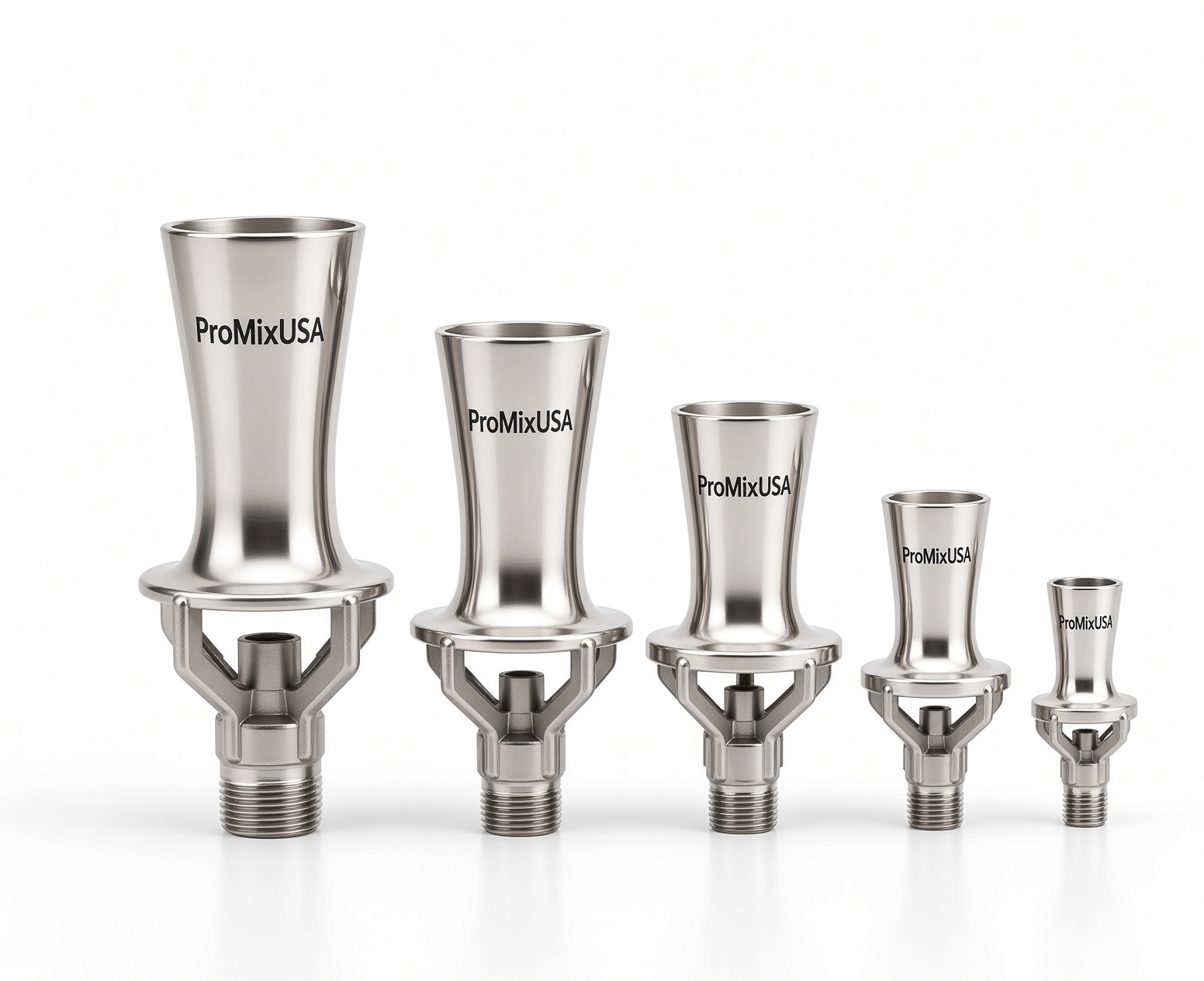
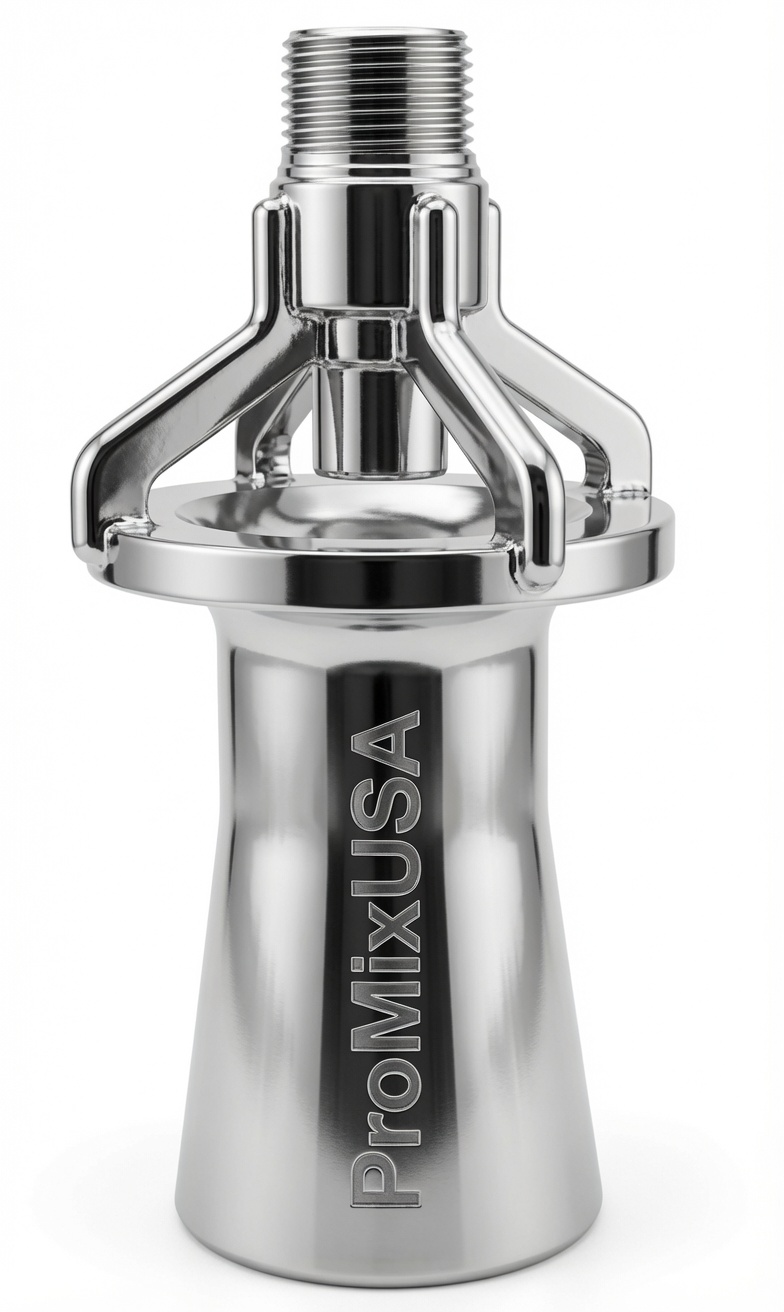
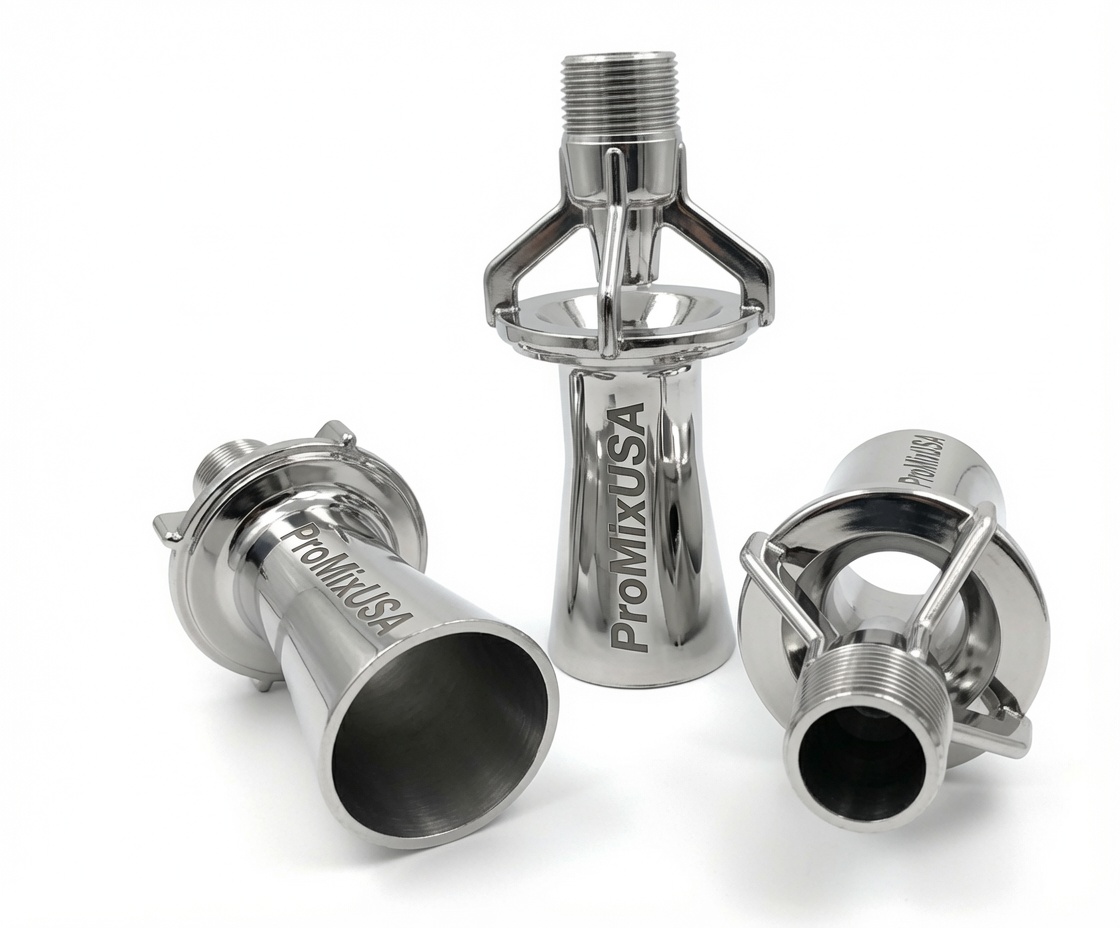
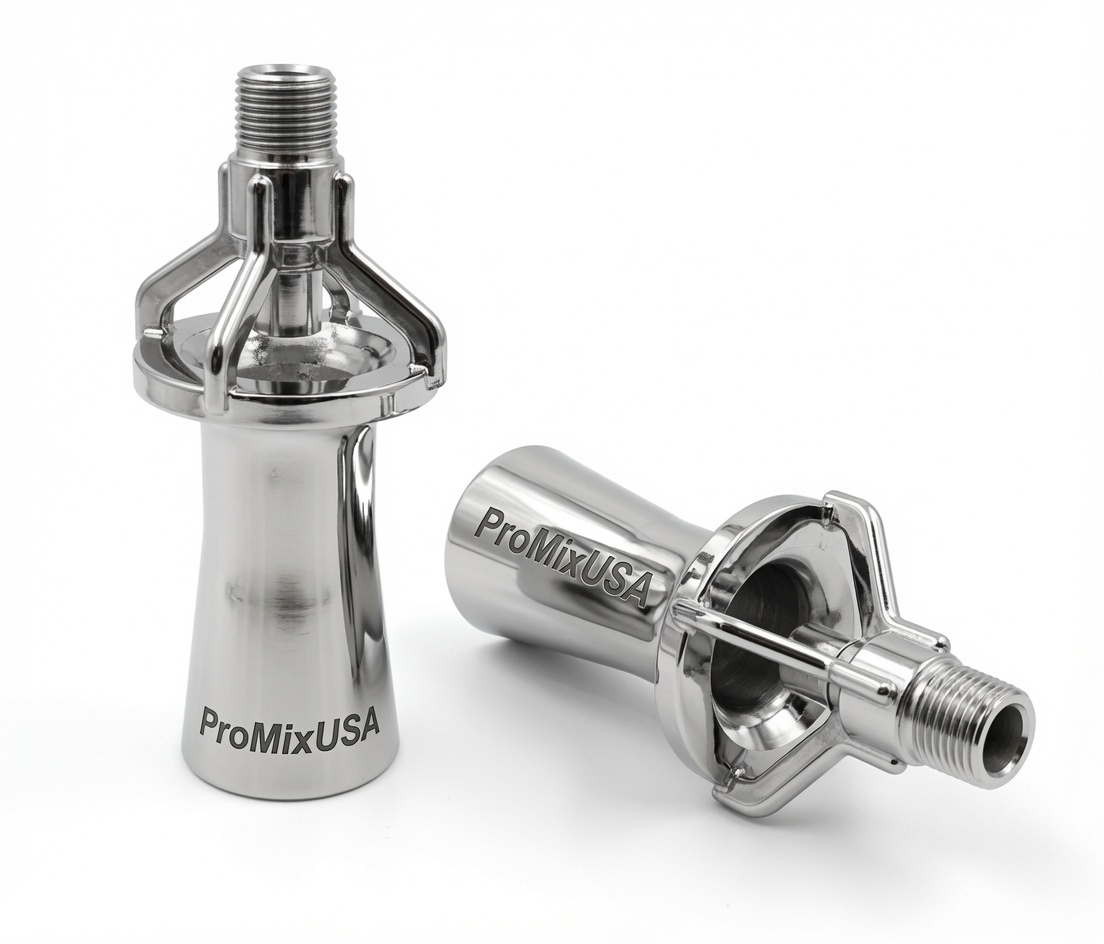
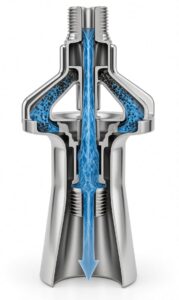
Venturi Eductors

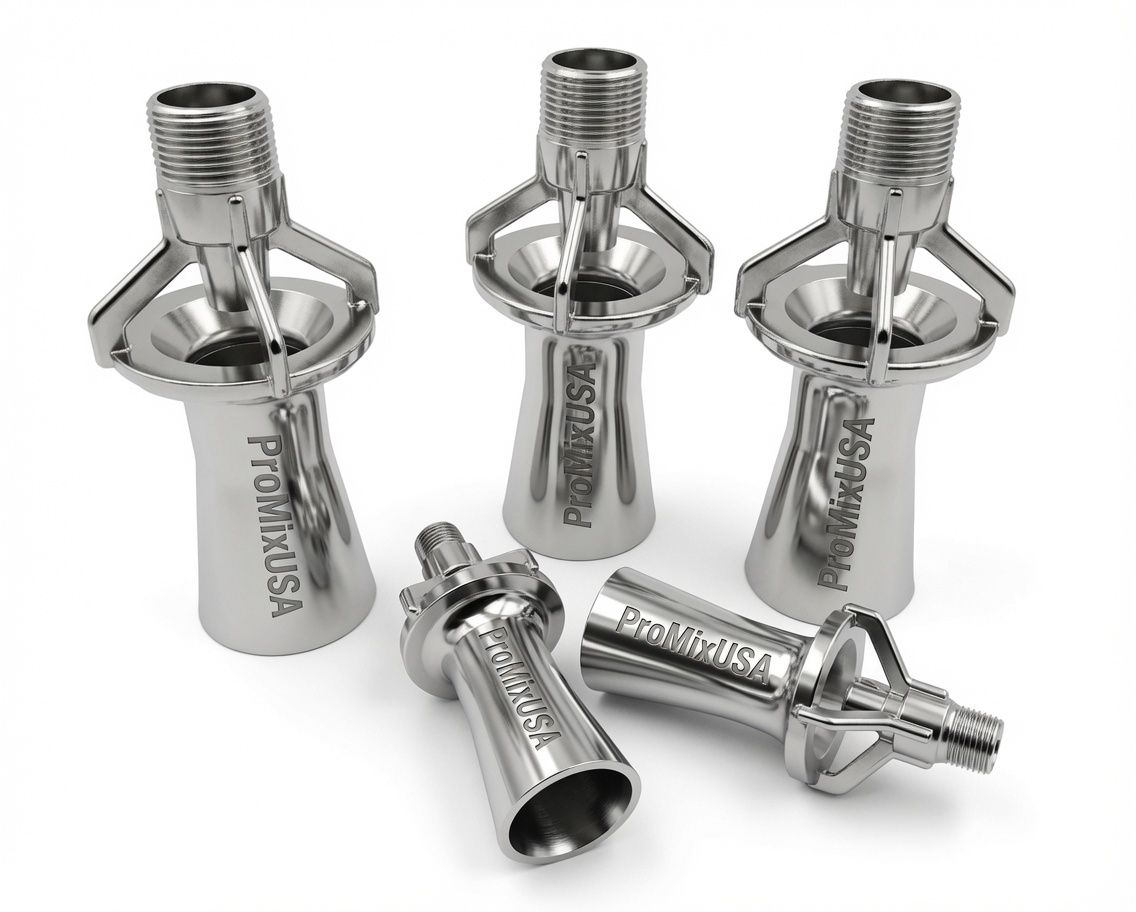
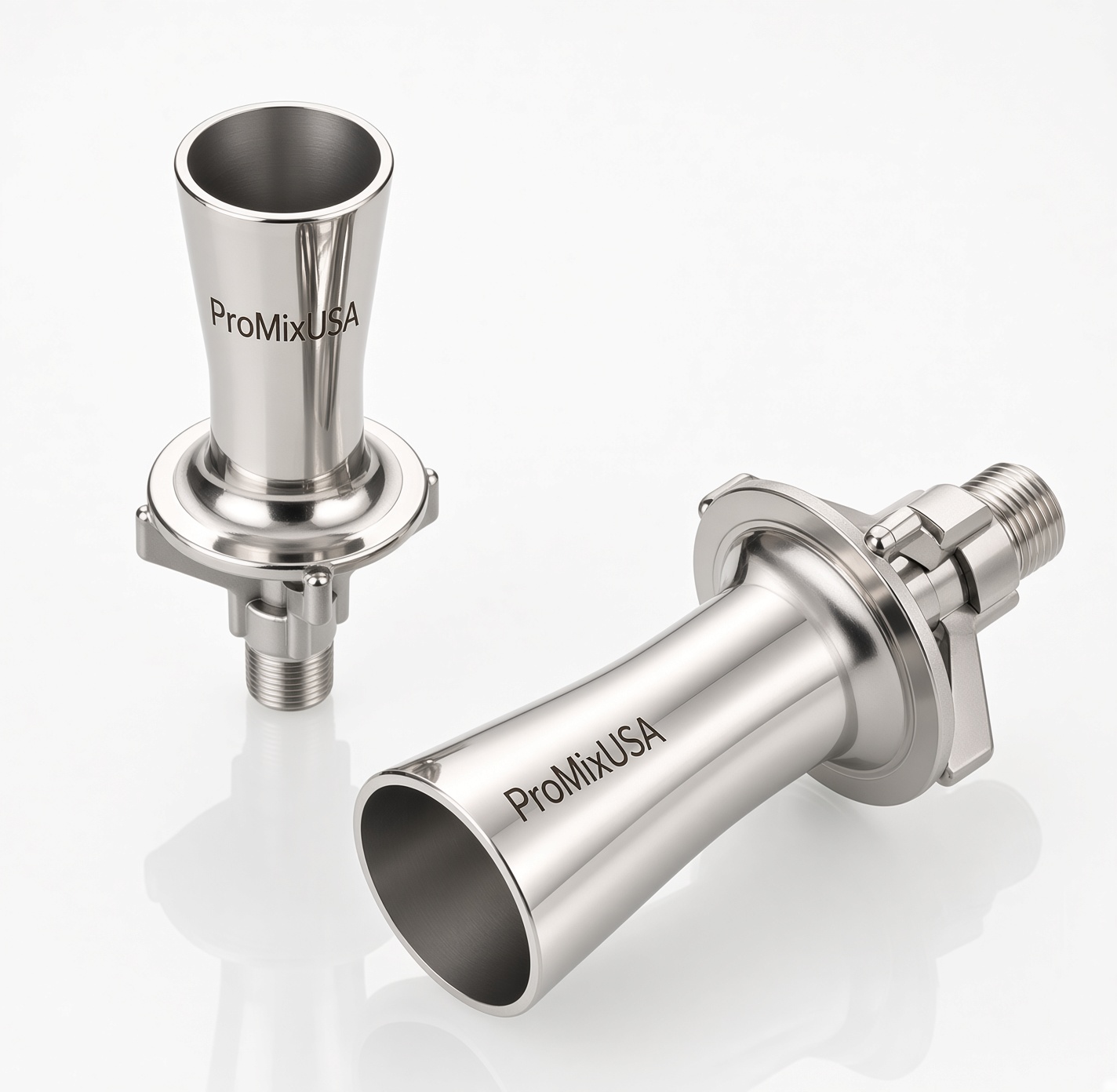
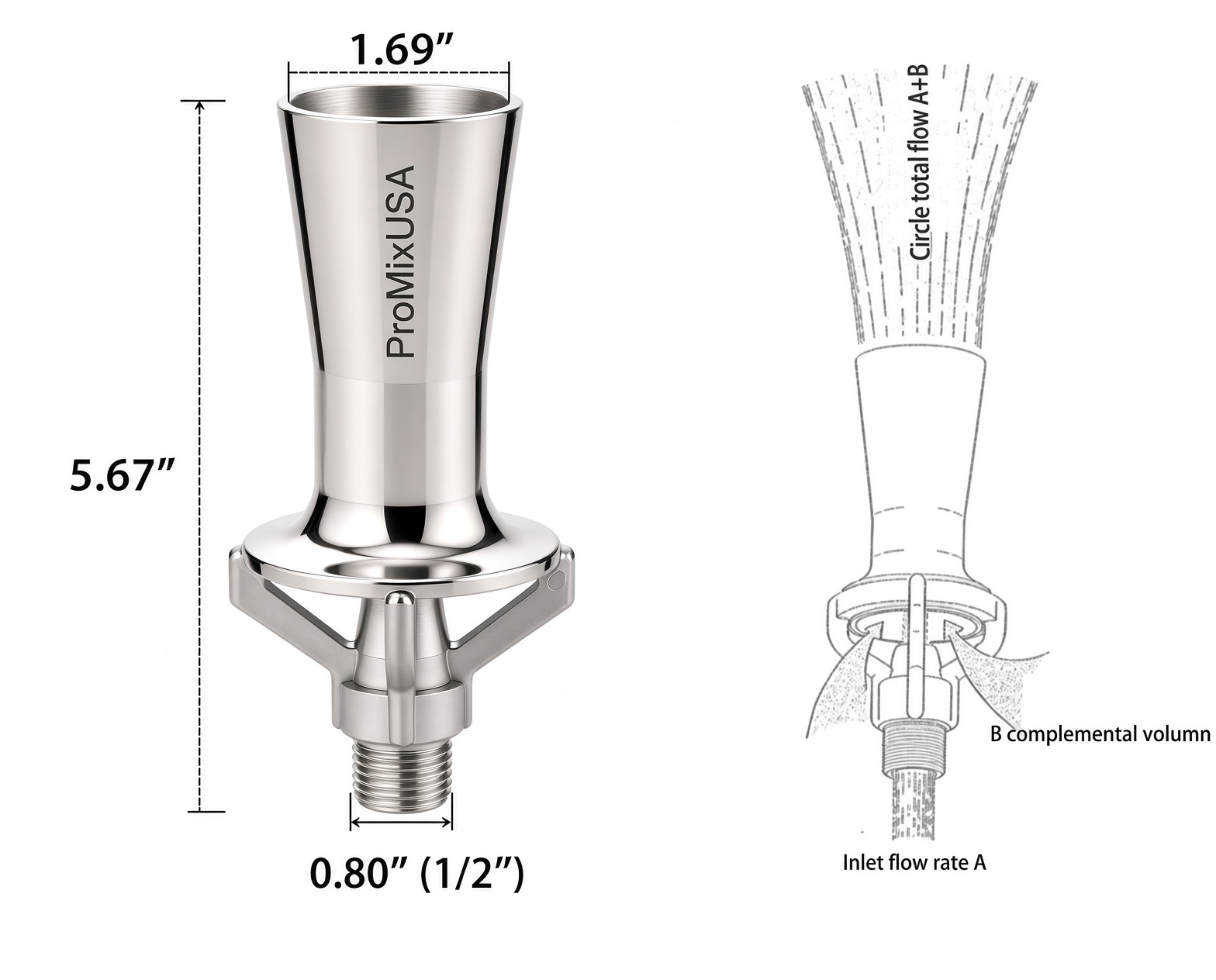
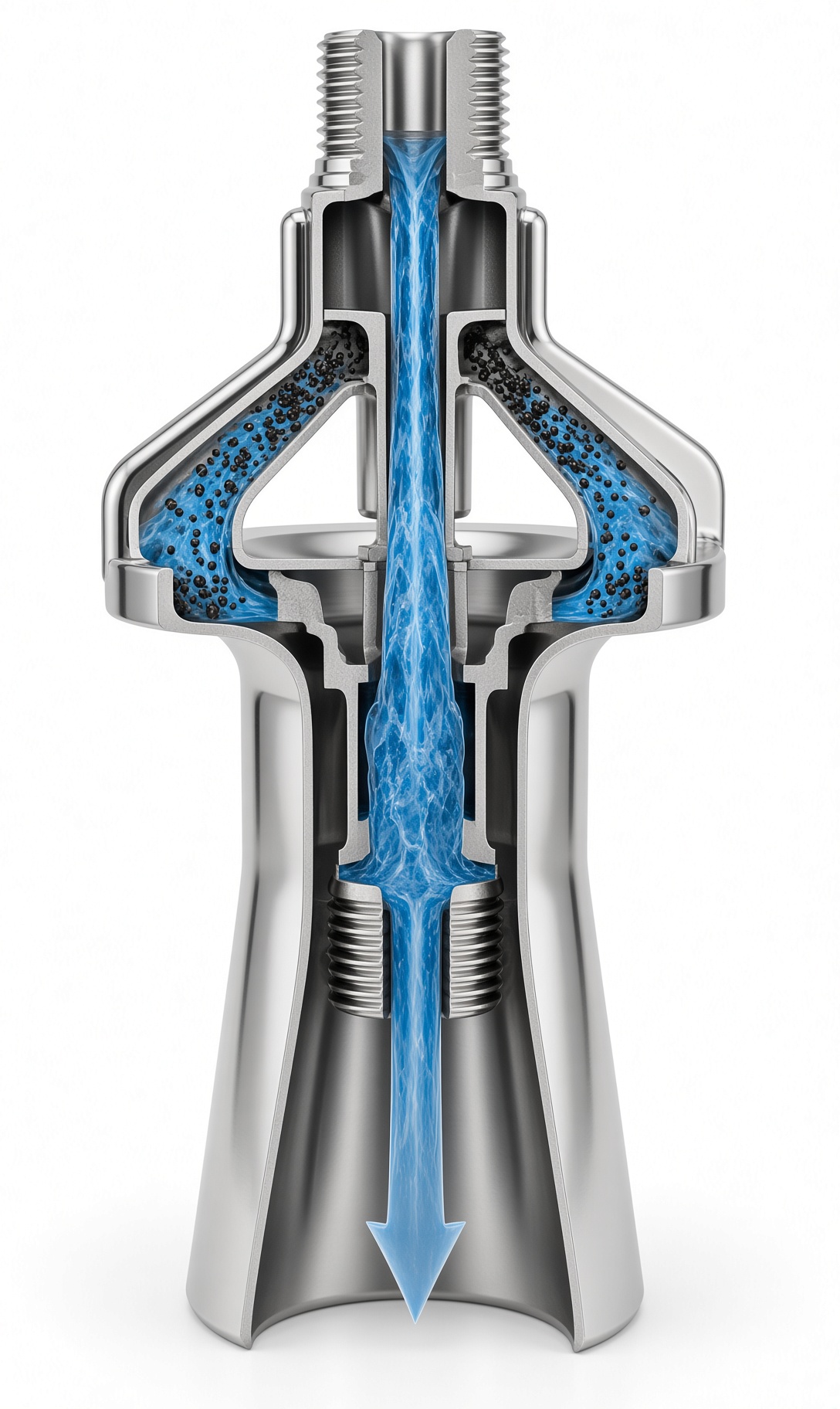
Venturi Eductors, also known as liquid jet eductors or tank mixing eductors, are passive devices that use the Venturi principle to entrain, mix, and transfer fluids without any moving parts. A high-pressure motive liquid is accelerated through a precision nozzle, creating a low-pressure zone that draws secondary fluid into the suction chamber. The combined streams mix thoroughly in the throat before pressure is partially recovered in the diffuser.

These eductors typically achieve entrainment ratios of 3:1 to 5:1, allowing them to circulate three to five times the pumped volume. This makes them highly effective for tank agitation, solids suspension, chemical dilution, and slurry transfer. Constructed from PVC, polypropylene, PVDF, or stainless steel, they offer excellent chemical resistance and long service life with minimal maintenance.

Venturi Eductors provide a reliable, energy-efficient alternative to mechanical mixers and complex pumping systems for continuous industrial mixing and fluid handling applications.

This product is currently out of stock and unavailable.

Venturi Eductors, also known as liquid jet eductors, jet pumps, or tank mixing eductors, are passive devices that use the Venturi principle to entrain, mix, transfer, or pump secondary fluids using only the energy of a high-pressure motive liquid. With no moving parts, they provide reliable, low-maintenance performance for chemical injection, tank agitation, slurry handling, and fluid transfer applications.

What Are Venturi Eductors?

Definition A jet pump that converts the pressure energy of a motive liquid into velocity energy, creating a low-pressure zone that draws in and mixes a secondary fluid.
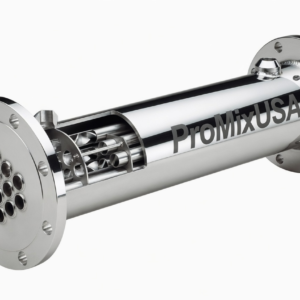
Key Components Motive nozzle, suction chamber, mixing throat, and diverging diffuser designed for high entrainment ratios.
Primary Motive Fluid Liquid (typically water or process fluid). Devices using gas or steam as motive fluid are classified as ejectors.
Typical Entrainment Ratio Commonly 4:1 to 5:1 (or higher) in tank-mixing service, meaning the eductor can circulate four to five times the pumped volume.

How Venturi Eductors Work

Motive Acceleration High-pressure liquid is forced through a converging nozzle, increasing velocity and decreasing static pressure.
Vacuum Generation At the nozzle exit (vena contracta), a low-pressure zone is created that draws secondary fluid into the suction chamber.
Mixing & Momentum Transfer Motive and suction fluids collide and mix thoroughly in the parallel throat section, transferring energy.
Pressure Recovery The combined flow enters the diverging diffuser where velocity decreases and a portion of kinetic energy converts back to static pressure.

Key Benefits of Venturi Eductors

No Moving Parts Exceptional reliability and minimal maintenance compared with mechanical pumps or agitators.
High Flow Amplification Can entrain and circulate 4–5 times the motive volume, enabling efficient tank mixing with smaller pumps.
Versatile Performance Handles liquids, slurries, solids, and some gases; suitable for transfer, mixing, dilution, and vacuum generation.
Energy Efficient Mixing Provides powerful agitation and homogenization without the energy cost or maintenance of mechanical mixers.
Chemical Compatibility Available in PVC, polypropylene, PVDF, and stainless steel for broad chemical resistance.

Typical Applications

Tank Mixing & Agitation Homogenizing chemicals, suspending solids, preventing stratification, and maintaining uniform temperature in process tanks.
Chemical Dilution & Injection Diluting concentrated chemicals and injecting them into process streams or storage tanks.
Slurry & Solids Transfer Moving liquids containing suspended solids or slurries without clogging mechanical pumps.
Water Treatment & Softening Brine draw in water softeners and chemical addition in treatment processes.
Industrial Process Transfer Pumping, circulating, and mixing fluids in chemical processing, plating, and wastewater applications.

Venturi Eductors offer a robust, maintenance-free solution for fluid entrainment, mixing, and transfer. Their ability to amplify flow and handle challenging fluids makes them a preferred choice for tank agitation and process applications where reliability and simplicity are critical.
Specifications

Comprehensive technical specifications covering construction materials, performance characteristics, operating parameters, and selection guidelines for industrial Venturi Eductors (liquid jet eductors / tank mixing eductors).

General Specifications

Device Type Passive liquid-jet Venturi eductor / jet pump (no moving parts)
Operating Principle Venturi effect / Bernoulli’s principle – motive liquid pressure energy converted to high-velocity jet to entrain secondary fluid
Primary Functions Tank mixing & agitation, fluid transfer, chemical dilution, slurry handling, and vacuum generation
Motive Fluid Liquid (water or process fluid). Gas/steam-driven units are classified as ejectors
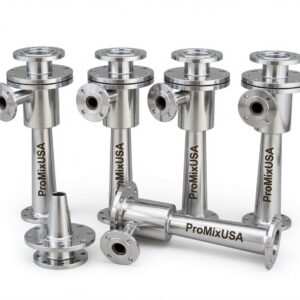
Installation Styles In-line pipeline, tank-mounted (submerged), or recirculation loop

Materials of Construction

Body Materials PVC, Polypropylene (PP), PVDF (Kynar), PTFE, Stainless Steel 304 / 316 / 316L, Bronze, or specialty alloys
Nozzle & Throat Same as body material or hardened inserts for abrasive service
Seals & Gaskets EPDM, Viton (FKM), PTFE, or chemically compatible elastomers
Chemical Compatibility Broad resistance to acids, bases, solvents, oxidizers, and process chemicals (material-dependent)

Connection & Size Range

Motive Inlet Connections Threaded (NPT / BSP), flanged, socket, or sanitary Tri-Clamp depending on material and size
Typical Size Range ¼″ to 6″ (6 mm to 150 mm) nominal; larger custom sizes available for high-capacity tank mixing
Suction Port Size Generally larger relative to motive inlet to support high entrainment ratios (often 1–2 pipe sizes larger)
Discharge Connection Matched to or larger than motive inlet for full flow recovery

Performance Specifications

Motive Flow Range Approximately 1 GPM to 1,000+ GPM (4 L/min to 3,800+ L/min) depending on model
Entrainment / Amplification Ratio Typically 3:1 to 5:1 (up to 6:1 in optimized tank-mixing designs) – total discharge flow = motive + entrained volume
Suction Capacity High-volume entrainment optimized for mixing and transfer rather than precise low-volume dosing
Operating Pressure Range Common motive pressure: 15–60 PSI (1–4 bar) for tank mixing; higher pressures supported in industrial models
Pressure Recovery Up to approximately 40 % of the motive-to-suction pressure differential recovered in the diffuser

Operating Limits

Maximum Operating Pressure PVC / PP: typically 150–230 PSI (10–16 bar)
PVDF: up to 230 PSI (16 bar)
Stainless Steel: 300+ PSI (20+ bar) depending on design and wall thickness
Temperature Range PVC: 32–140 °F (0–60 °C)
PP: 32–180 °F (0–82 °C)
PVDF: up to 250 °F (121 °C)
Stainless Steel: –40 to 400 °F (–40 to 204 °C) typical
Viscosity Handling Best with low-to-medium viscosity fluids (<100 cP preferred); higher viscosities reduce entrainment efficiency
Solids / Slurry Capability Excellent for suspended solids and light slurries; open suction design resists clogging better than many mechanical pumps

Dimensional & Physical Characteristics

Overall Length Varies by size and design; typically 6–36 inches (150–900 mm) for standard models
Weight Thermoplastic models: lightweight (0.5–15 lb / 0.2–7 kg)
Metallic models: heavier according to size and material
Internal Geometry Precision converging motive nozzle, large suction chamber, parallel mixing throat, and gradual diverging diffuser optimized for high mass entrainment and momentum transfer

Selection & Application Notes

Primary Sizing Factors Desired tank turnover rate, available motive pressure and flow, fluid properties, and required entrainment ratio
Tank Mixing Guideline Typical turnover rates: 1–3 turns/hour (general circulation), 5–10 turns/hour (solids suspension), up to 20+ turns/hour for rapid blending
Performance Data Manufacturer curves provide entrainment ratio versus motive pressure and flow; always consult specific model data for accurate selection
Common Accessories Isolation valves, pressure gauges, strainers, mounting brackets for tank installation, and recirculation pumps

These specifications represent typical industry ranges for Venturi Eductors. Actual performance varies by manufacturer, geometry, and operating conditions. Always refer to the specific product data sheet for certified flow curves, pressure-temperature ratings, and material certifications when selecting an eductor for critical service.

Sizing

Key attributes
type Nozzle Material Stainless Steel
condition New warranty 1.5 year
place of origin Guangdong, China weight (kg) 0.03
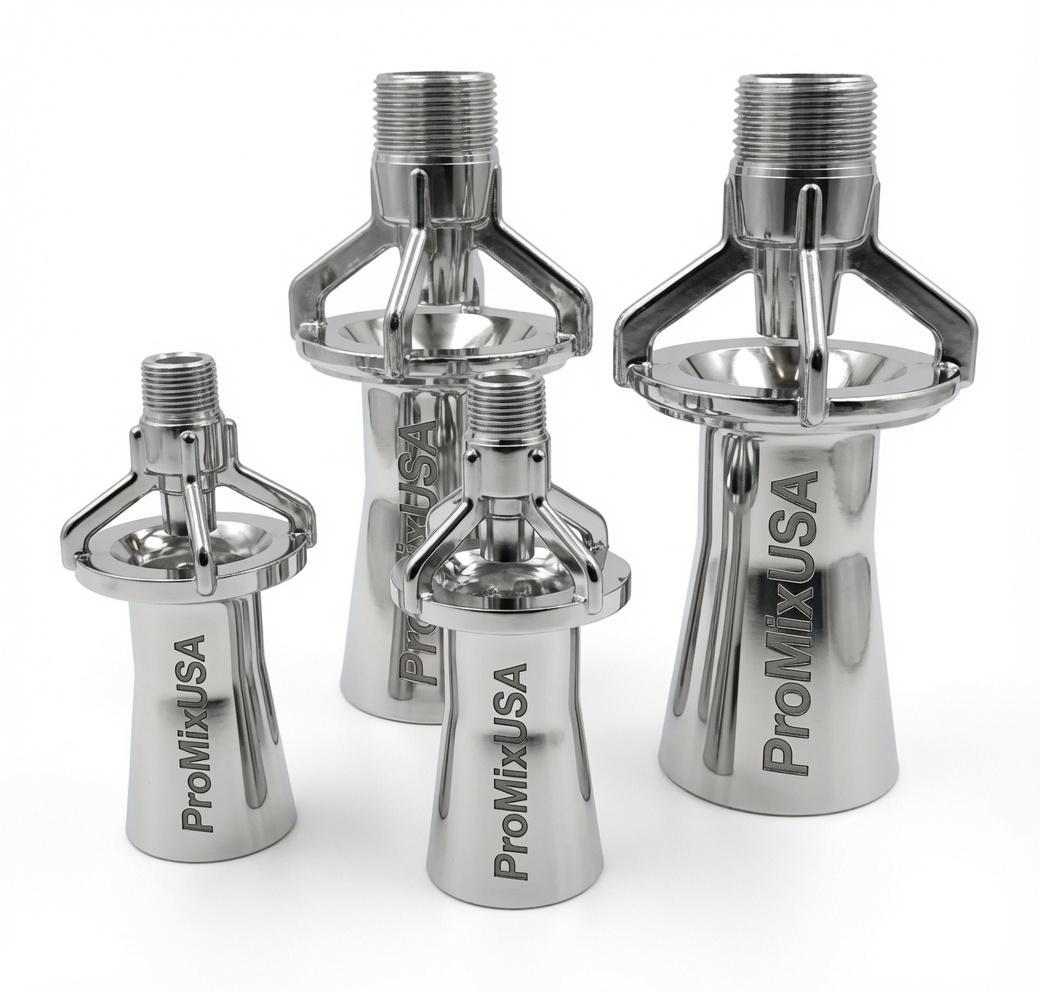
Product Name K series mixing eductor nozzle Material PP, PVDF, SS303, SS304 or SS316
Application Mixing Working Pressure 0.5-15 bar
Thread Size 1/8″, 1/4″, 3/8″, 1/2″, 3/4″, 1″, 1-1/2″ Thread Male Female
Flow Rate 11.3-1540 L/Min @ 0.5-4 bar Condition New
Marketing Type Ordinary Product

Installation Procedures

Proper installation is critical to achieving the designed entrainment ratio, mixing performance, and long-term reliability. The following guidelines cover pre-installation checks, tank-mounted, in-line, and recirculation configurations.

Pre-Installation Preparation

Verify System Parameters Confirm available motive pressure and flow rate meet or exceed the requirements for the selected eductor model and desired entrainment performance.
Select Correct Model Choose eductor size, material, and geometry based on tank volume, required turnover rate, fluid properties, chemical compatibility, and operating pressure.
Inspect Components Examine the eductor body, nozzle, suction chamber, and connections for damage, debris, or manufacturing defects before installation.
Prepare Supporting Equipment Ensure a suitable motive pump, isolation valves, strainers, pressure gauges, and mounting hardware are available.

Tank-Mounted (Submerged) Installation

Determine Placement Position the eductor to promote full tank circulation. Aim the discharge plume toward the opposite wall or across the longest dimension to minimize dead zones.
Mounting Method Secure the eductor using brackets, pipe supports, or tank wall mounts. Ensure the unit remains fully submerged during operation.
Motive Supply Line Connect the high-pressure motive line from the recirculation pump to the eductor inlet. Include an isolation valve and strainer upstream of the eductor.
Multiple Eductor Layout When using several eductors, space them evenly (typically 12 inches or more apart) and orient discharge plumes to create overlapping circulation patterns.
Suction Clearance Maintain adequate clearance around the suction openings so surrounding liquid can be freely entrained without obstruction.

In-Line Pipeline Installation

Flow Direction Install the eductor with the flow arrow pointing in the direction of system flow. Incorrect orientation will prevent proper operation.
Piping Support Support the piping on both sides of the eductor to avoid stress on the body and connections.
Isolation Valves Install isolation valves upstream and downstream to allow removal or servicing without draining the entire system.
Suction Connection Connect the suction port to the secondary fluid source (tank, process line, or open suction) using appropriately sized piping or tubing. Keep the suction line short and free of restrictions.
Unions or Flanges Use unions or flanged connections for easy removal during maintenance or replacement.

Recirculation Loop Installation

Pump Selection Select a recirculation pump capable of delivering the required motive flow and pressure to the eductor under all operating conditions.
Loop Layout Draw liquid from the tank, pump it through the eductor as motive fluid, and return the combined discharge flow back into the tank to create continuous circulation.
Discharge Placement Orient the eductor discharge to promote mixing throughout the tank volume and avoid short-circuiting of flow.
Instrumentation Install pressure gauges on the motive supply and, if practical, on the discharge to monitor operating differential and performance.

Startup & Commissioning

System Flush Flush all piping thoroughly before introducing process fluids to remove debris that could clog the nozzle or throat.
Prime the System Ensure the motive line and eductor are fully primed and free of air before starting the pump.
Start Motive Flow Open isolation valves and start the motive pump. Gradually increase flow to the design operating point.
Verify Entrainment Confirm that secondary fluid is being drawn into the suction chamber and that the discharge plume is active and properly directed.
Check for Leaks & Vibration Inspect all connections for leaks and ensure the installation is free from excessive vibration or movement.
Performance Confirmation Observe tank circulation patterns or measure flow rates to confirm the eductor is achieving the expected mixing or transfer performance.

Important Installation Notes

Nozzle Orientation Always install with the motive nozzle pointing toward the diffuser. Reverse installation will result in little or no entrainment.
Avoid Restrictions Keep suction and discharge paths as open as possible. Elbows, valves, or reductions near the suction port reduce entrainment efficiency.
Chemical Compatibility Verify that all materials in contact with process fluids (eductor body, seals, piping) are compatible with the chemicals being handled.
Accessibility Locate isolation valves and the eductor where they can be easily reached for inspection, cleaning, or replacement.
Multiple Units When installing several eductors in one tank, balance the motive supply lines so each unit receives adequate pressure and flow.

Following these detailed installation procedures ensures the Venturi Eductor delivers its designed entrainment ratio, mixing efficiency, and reliable long-term operation. Always consult the manufacturer’s specific installation instructions and performance data for the model being installed.

Maintenance procedures

Although Venturi Eductors have no moving parts and require minimal maintenance, regular inspection and cleaning are essential to maintain high entrainment ratios, mixing efficiency, and long service life.

Routine Inspection

Visual Examination Inspect the eductor body, nozzle, suction chamber, and connections for cracks, erosion, chemical attack, leaks, or physical damage.
Performance Check Verify that the discharge plume is strong and that the expected entrainment or tank circulation is occurring. Reduced performance often indicates fouling or wear.
Motive Pressure Monitoring Confirm that motive supply pressure and flow remain within the design range. Significant drops may signal pump issues or restrictions upstream.
Connection Integrity Check all flanges, unions, and threaded connections for tightness and signs of leakage or corrosion.

Cleaning Procedures

Isolate the Eductor Close isolation valves on the motive supply and discharge lines. Relieve residual pressure and, if tank-mounted, ensure safe access.
Remove the Unit Disconnect unions or flanges and carefully remove the eductor. Cap open pipe ends to prevent contamination of the system.
External Cleaning Wash the exterior of the eductor with clean water or a compatible cleaning solution to remove surface deposits and chemical residue.
Internal Flushing Flush the motive nozzle, suction chamber, throat, and diffuser thoroughly in both forward and reverse directions to dislodge debris, scale, or solids.
Detailed Internal Cleaning Use a soft brush, pipe cleaners, or non-abrasive tools to clean the nozzle orifice, throat, and suction openings. Avoid metal tools that could scratch precision surfaces.
Inspect After Cleaning Examine the nozzle, throat, and diffuser for erosion, pitting, or enlargement. Replace the eductor if critical dimensions have changed significantly.
Reinstallation & Testing Reinstall the cleaned eductor, restore motive flow, and verify that entrainment and discharge performance have returned to normal levels.

Motive & Suction Line Maintenance

Motive Line Strainer Clean or replace the strainer upstream of the eductor regularly to prevent debris from entering and clogging the nozzle.
Suction Path Clearance Ensure the area around the suction openings remains free of sludge buildup, solids accumulation, or tank internals that could restrict entrainment.
Piping Condition Inspect motive and discharge piping for scale, corrosion, or restrictions that could reduce available pressure or flow to the eductor.
Seal & Gasket Check Replace worn O-rings, gaskets, or seals during cleaning to maintain leak-free operation and chemical compatibility.

Troubleshooting Common Issues

Low or No Entrainment Check for clogged nozzle or throat, insufficient motive pressure, air leaks, incorrect installation orientation, or obstructed suction openings.
Reduced Mixing Performance Investigate nozzle wear, reduced motive flow, improper eductor positioning, or solids buildup restricting the discharge plume.
Excessive Vibration or Noise Verify secure mounting, proper support of piping, and that the eductor is operating within its design flow and pressure range.
Chemical Attack or Erosion Confirm material compatibility and consider upgrading to a more resistant material (e.g., PVDF or stainless steel) if degradation is observed.

Recommended Maintenance Schedule

Daily / Weekly Visual inspection of eductor and connections; confirm strong discharge plume and normal system pressures.
Monthly Clean motive line strainer; inspect for early signs of wear, scaling, or chemical attack; check mounting security.
Quarterly or as Needed Remove and thoroughly clean the eductor internals; replace seals or gaskets if required.
Annually Perform a full performance evaluation. Replace the eductor if nozzle or throat wear has significantly reduced entrainment efficiency.

Venturi Eductors are inherently low-maintenance devices. Consistent inspection, prompt cleaning of restrictions, and attention to motive supply conditions will keep the unit operating at peak entrainment and mixing performance for many years.

Q&A

Clear answers to the most common questions about Venturi Eductors (liquid jet eductors / tank mixing eductors), their operation, benefits, and applications.

General Questions

What is a Venturi Eductor? A Venturi Eductor (also called a liquid jet eductor or jet pump) is a passive device with no moving parts that uses a high-pressure motive liquid to entrain, mix, or transfer a secondary fluid through the Venturi effect.
How does a Venturi Eductor work? High-pressure motive liquid is accelerated through a nozzle, creating a low-pressure zone that draws secondary fluid into a suction chamber. The two streams mix in the throat and pressure is partially recovered in the diffuser.
What is the typical entrainment ratio? Most tank-mixing eductors achieve an entrainment ratio of 3:1 to 5:1 (sometimes up to 6:1), meaning the total discharge flow is three to five times the motive flow.
What materials are Venturi Eductors made from? Common materials include PVC, polypropylene (PP), PVDF (Kynar), PTFE, and stainless steel 304/316/316L, selected according to chemical compatibility and operating conditions.

Performance & Operation

What motive pressure is required? Typical operating range is 15–60 PSI (1–4 bar) for tank mixing applications. Higher pressures are supported in industrial models designed for greater capacity.
Can Venturi Eductors handle solids or slurries? Yes. Their open suction design makes them well-suited for liquids containing suspended solids or light slurries, with less risk of clogging than many mechanical pumps.
Do they require external power? No. The eductor itself needs no electrical power. It operates solely on the pressure energy supplied by a motive pump or pressurized liquid source.
How efficient are Venturi Eductors? They typically recover up to about 40 % of the motive-to-suction pressure differential. Their value lies in simplicity, reliability, and flow amplification rather than high hydraulic efficiency.

Applications & Benefits

What are the main applications? Tank mixing and agitation, chemical dilution, slurry transfer, solids suspension, brine draw in water softeners, and general fluid transfer or circulation.
Why choose a Venturi Eductor for tank mixing? It provides powerful circulation (4–5× motive volume) with no moving parts inside the tank, reducing maintenance and eliminating the need for large mechanical agitators.
What are the key advantages? No moving parts, high reliability, low maintenance, excellent solids handling, flow amplification, chemical resistance options, and simple installation.
Are there any limitations? They require a continuous supply of motive liquid at adequate pressure, create some permanent pressure loss, and are less precise than metering pumps for exact dosing applications.

Installation & Maintenance

How should a Venturi Eductor be installed? It can be tank-mounted (submerged), installed in-line, or used in a recirculation loop. Correct flow direction and adequate suction clearance are essential.
How often do they need maintenance? Very little. Routine visual checks and occasional cleaning of the nozzle and throat are usually sufficient. Strainers should be cleaned regularly.
What causes reduced performance? Common causes include a clogged nozzle or throat, insufficient motive pressure, worn internals, obstructed suction openings, or incorrect installation orientation.
Can multiple eductors be used in one tank? Yes. Multiple units are often installed to achieve uniform mixing. They should be spaced evenly and supplied with balanced motive flow.

Venturi Eductors provide a simple, reliable, and effective solution for fluid entrainment, tank mixing, and transfer applications. Understanding their operating principles and limitations helps ensure correct selection and long-term performance.

Advantages / Disadvantages

A clear overview of the strengths and limitations of Venturi Eductors (liquid jet eductors / tank mixing eductors) to help determine when they are the best solution for mixing, transfer, or entrainment applications.

Advantages of Venturi Eductors

No Moving Parts Extremely reliable with virtually no mechanical wear, resulting in long service life and very low maintenance requirements.
High Flow Amplification Can entrain and circulate 3–5 times (up to 6×) the motive volume, enabling efficient tank mixing with a relatively small pump.
Excellent Solids & Slurry Handling Open suction design resists clogging and handles liquids containing suspended solids or light slurries better than many mechanical pumps.
Low Maintenance No seals, bearings, or impellers to wear out inside the process fluid, significantly reducing downtime and service costs.
Simple & Cost-Effective Lower capital and operating costs compared with mechanical agitators or complex pumping systems for many mixing and transfer duties.
Chemical Resistance Options Available in PVC, PP, PVDF, and stainless steel to handle a wide range of aggressive chemicals and process fluids.
Versatile Installation Can be tank-mounted (submerged), installed in-line, or used in a recirculation loop to suit different process layouts.
No External Power for the Eductor Operates solely on motive liquid pressure; ideal for hazardous areas or locations where electrical equipment is restricted.

Disadvantages of Venturi Eductors

Requires Continuous Motive Flow Needs a reliable supply of pressurized liquid at adequate pressure and flow. Performance drops if motive conditions fall outside the design range.
Permanent Pressure Loss Creates a continuous pressure drop in the system. Only a portion (typically up to ~40 %) of the motive-to-suction differential is recovered.
Lower Hydraulic Efficiency Less energy-efficient than positive-displacement or centrifugal pumps for pure fluid transfer duties.
Not Ideal for Precise Dosing Entrainment rate varies with motive pressure and flow, making them less suitable than metering pumps when exact injection ratios are required.
Performance Sensitive to Conditions Entrainment efficiency declines with higher viscosity fluids, insufficient motive pressure, nozzle wear, or restricted suction openings.
Potential for Noise or Vibration High-velocity jets can generate noise or vibration if the eductor is not properly supported or is operating outside its design range.
Limited Suction Lift While capable of creating vacuum, practical suction lift is limited compared with specialized vacuum pumps or self-priming centrifugal pumps.

Summary Comparison

Best Suited For Tank mixing, solids suspension, chemical dilution, slurry transfer, and applications where reliability, simplicity, and flow amplification are priorities.
Less Suitable For High-precision volumetric dosing, systems with very low available pressure, high-viscosity fluids, or applications demanding maximum energy efficiency.
Overall Recommendation An excellent choice for continuous tank agitation and fluid entrainment when properly sized and supplied with adequate motive pressure and flow.

Venturi Eductors excel in simplicity, reliability, and mixing performance. Understanding both their advantages and limitations allows for correct application selection and optimal system design.

Applications

Venturi Eductors are versatile, no-moving-parts devices widely used for tank mixing, fluid transfer, chemical dilution, and solids suspension. Their ability to amplify flow and handle challenging fluids makes them ideal across multiple industries.

Tank Mixing & Agitation Applications

Chemical Processing Tanks Homogenizing reagents, maintaining uniform concentrations, and ensuring complete mixing in reactors, blending tanks, and storage vessels.
Solids Suspension Keeping solids in suspension, preventing sedimentation, and maintaining uniform slurry density in process and storage tanks.
Temperature Uniformity Promoting even temperature distribution in heated or cooled tanks by continuous circulation of the contents.
Preventing Stratification Eliminating layering of different-density liquids in storage tanks, fuel tanks, and chemical vessels.

Chemical Dilution & Injection Applications

Concentrated Chemical Dilution Diluting strong acids, bases, or other concentrates with motive water before storage or further processing.
Water Treatment Chemical Addition Injecting and mixing treatment chemicals such as coagulants, flocculants, biocides, or pH adjusters into process streams or tanks.
Brine Draw in Water Softeners Drawing and diluting saturated brine during the regeneration cycle of ion-exchange water softeners.

Transfer & Handling Applications

Slurry Transfer Moving liquids containing suspended solids or light slurries without the clogging issues common to mechanical pumps.
Tank Emptying & Transfer Transferring fluids from one vessel to another or emptying tanks using available pressurized liquid as the motive force.
Sumps & Pit Pumping Removing liquid from sumps, pits, or low points where a conventional pump may be impractical.

Industry-Specific Applications

Chemical Processing Blending, dilution, and circulation of aggressive chemicals in reactors, storage tanks, and process vessels.
Water & Wastewater Treatment Mixing treatment chemicals, suspending solids in clarifiers or equalization tanks, and brine handling in softening systems.
Metal Finishing & Plating Agitating plating baths, rinse tanks, and chemical process tanks to maintain uniform concentration and temperature.
Food & Beverage Gentle mixing of ingredients, syrups, and process liquids where sanitary or cleanable designs are required.
Oil & Gas / Petrochemical Homogenizing storage tanks, preventing stratification of fuels or chemicals, and circulating process fluids.
Pulp & Paper Mixing additives, suspending fibers or fillers, and circulating process liquors in tanks and chests.

Why Venturi Eductors Excel in These Applications

Reliability No moving parts inside the process fluid means minimal maintenance and consistent long-term performance.
Flow Amplification Ability to circulate 3–5 times the motive volume allows effective tank mixing with smaller, more economical pumps.
Solids Tolerance Open design handles suspended solids and light slurries without the clogging problems of many conventional pumps.
Versatility Suitable for a wide range of liquids and operating conditions when constructed from the appropriate material.

Venturi Eductors provide a proven, economical, and dependable solution for tank mixing, chemical handling, and fluid transfer across chemical processing, water treatment, metal finishing, and many other industries. Proper selection based on tank size, required turnover rate, fluid properties, and available motive pressure ensures optimal performance.

Drawings

Downloads

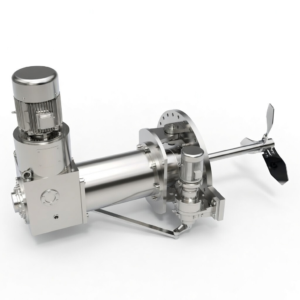
Eductors Vs Agitators

A detailed comparison of two common tank mixing technologies to help determine the best solution for your process requirements.

Operating Principle Comparison

Aspect Venturi Eductor Mechanical Agitator
Mixing Method High-velocity liquid jet creates entrainment and circulation (Venturi effect) Rotating impeller or propeller mechanically moves and shears the fluid
Moving Parts in Tank None Impeller, shaft, and bearings (or magnetic drive components)
Power Source External recirculation pump supplying motive liquid Electric motor (direct or gear-driven) mounted on or near the tank
Flow Amplification Typically 3:1 to 5:1 (total flow = 3–5× motive flow) No inherent amplification; mixing intensity depends on impeller design and speed

Key Advantages Comparison

Factor Venturi Eductor Mechanical Agitator
Maintenance Very low – no seals, bearings, or impellers inside the tank Higher – requires seal, bearing, and impeller maintenance or replacement
Reliability Excellent in continuous duty; resistant to solids and abrasive fluids Good, but seals and bearings can fail, especially with solids or aggressive chemicals
Solids Handling Excellent – open design resists clogging Varies by impeller type; can be limited by shaft sealing and solids loading
Installation Complexity Simple – tank-mounted or in recirculation loop; no shaft penetrations More complex – requires motor mount, shaft seal, and precise alignment
Hazardous Areas Ideal – no electrical components in or near the tank Requires explosion-proof motors and proper classification compliance
Capital Cost Generally lower for equivalent mixing duty Higher, especially for large tanks or specialized designs

Limitations Comparison

Factor Venturi Eductor Mechanical Agitator
Energy Efficiency Lower hydraulic efficiency; relies on continuous pump operation Generally higher efficiency for pure mixing duties
High-Viscosity Fluids Performance declines significantly above ~100 cP Better suited for higher viscosities with proper impeller selection
Intense Local Shear Limited high-shear capability Can provide high shear when required (e.g., dispersers, high-speed impellers)
Precise Control Mixing intensity mainly controlled by motive flow/pressure Speed and impeller type allow finer control of mixing intensity

Best Application Fit

Choose Venturi Eductors When Reliability and low maintenance are critical, solids are present, the fluid is low-to-medium viscosity, hazardous area classification applies, or simple continuous circulation is needed.
Choose Mechanical Agitators When High-viscosity mixing, intense shear, variable speed control, or very large tanks requiring specialized impeller patterns are required.
Hybrid Approach In some processes both technologies are used together – eductors for bulk circulation and an agitator for localized high-intensity mixing.

Venturi Eductors offer outstanding reliability, solids tolerance, and simplicity for continuous tank mixing duties. Mechanical agitators provide greater flexibility for high-viscosity or high-shear applications. The optimal choice depends on fluid properties, maintenance philosophy, and specific process requirements.

Reviews

There are no reviews yet.

Only logged in customers who have purchased this product may leave a review.