,

Metal Alloys Static Mixers

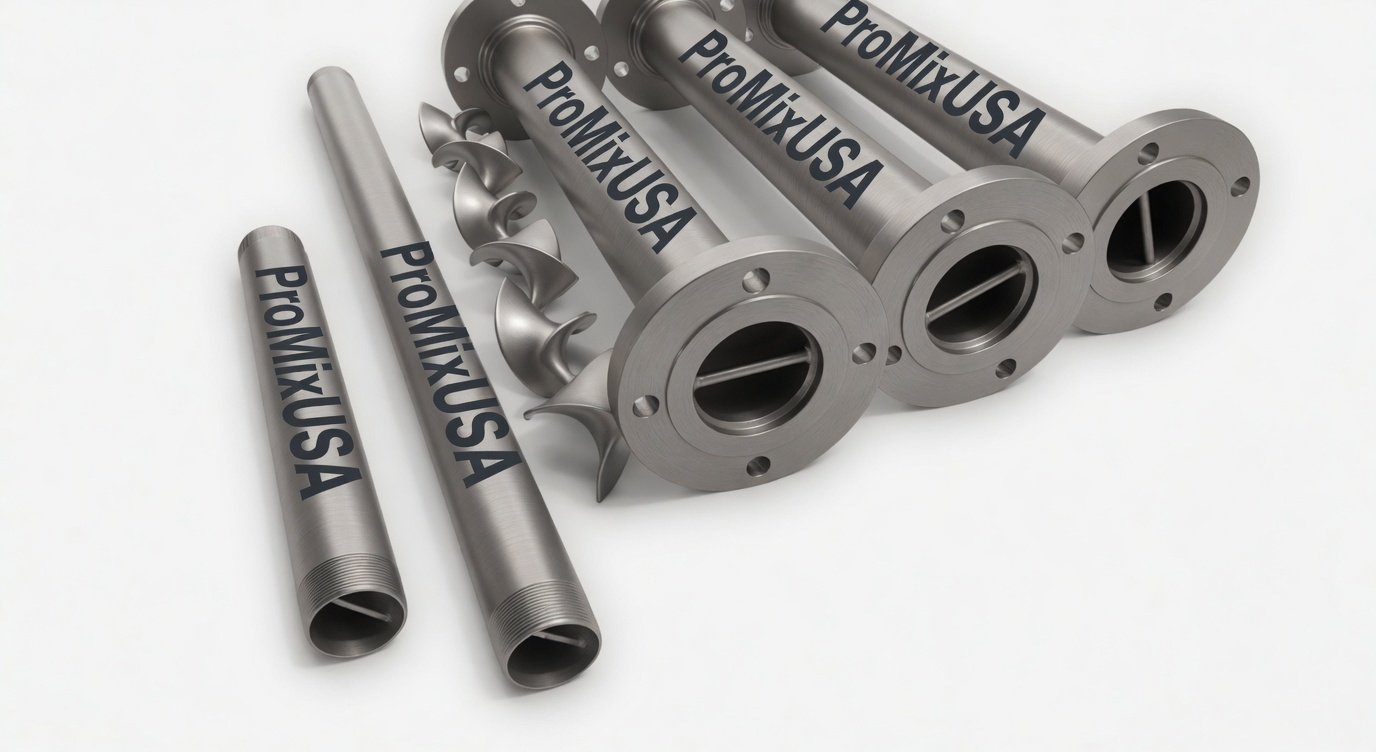
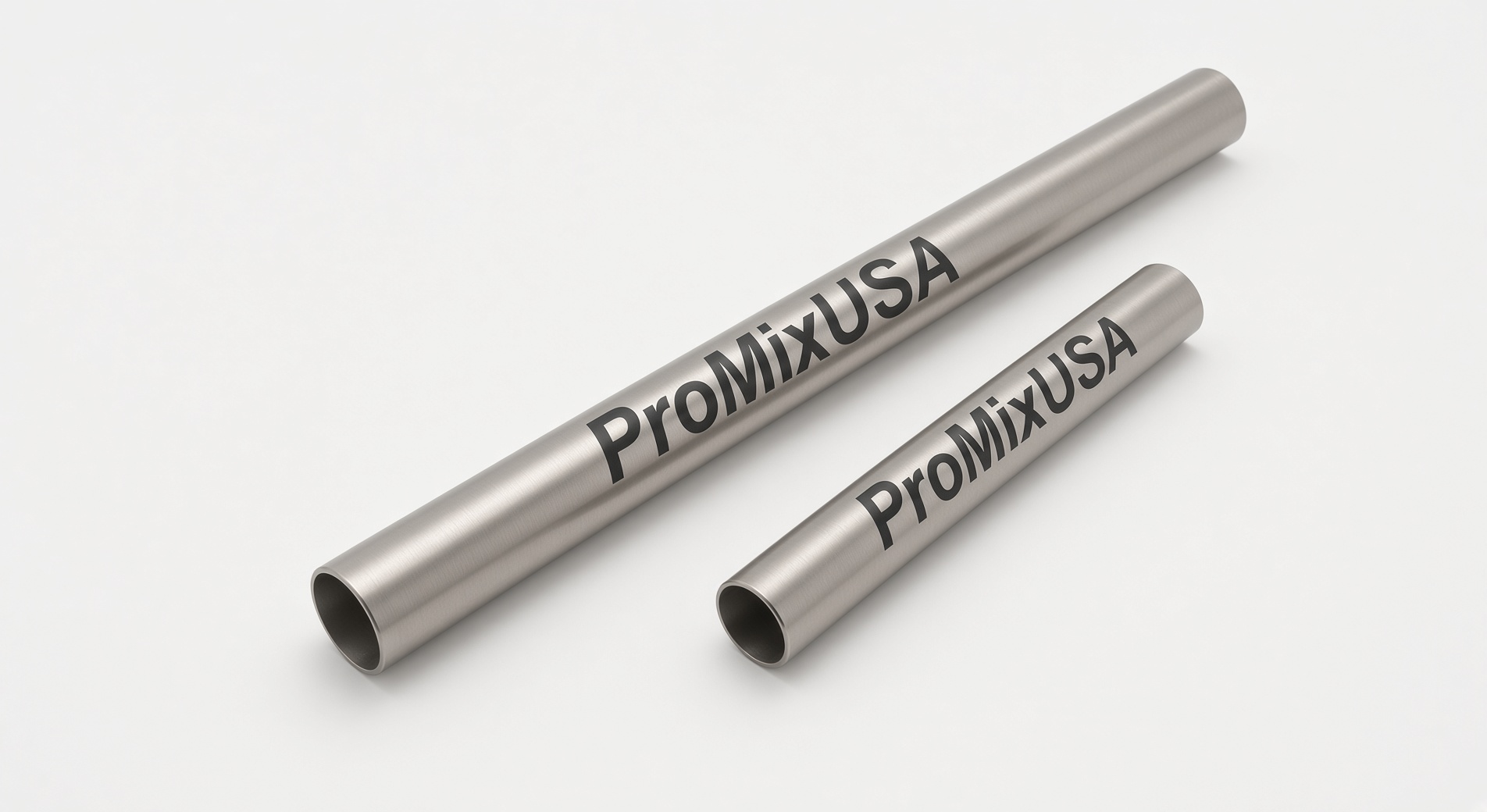
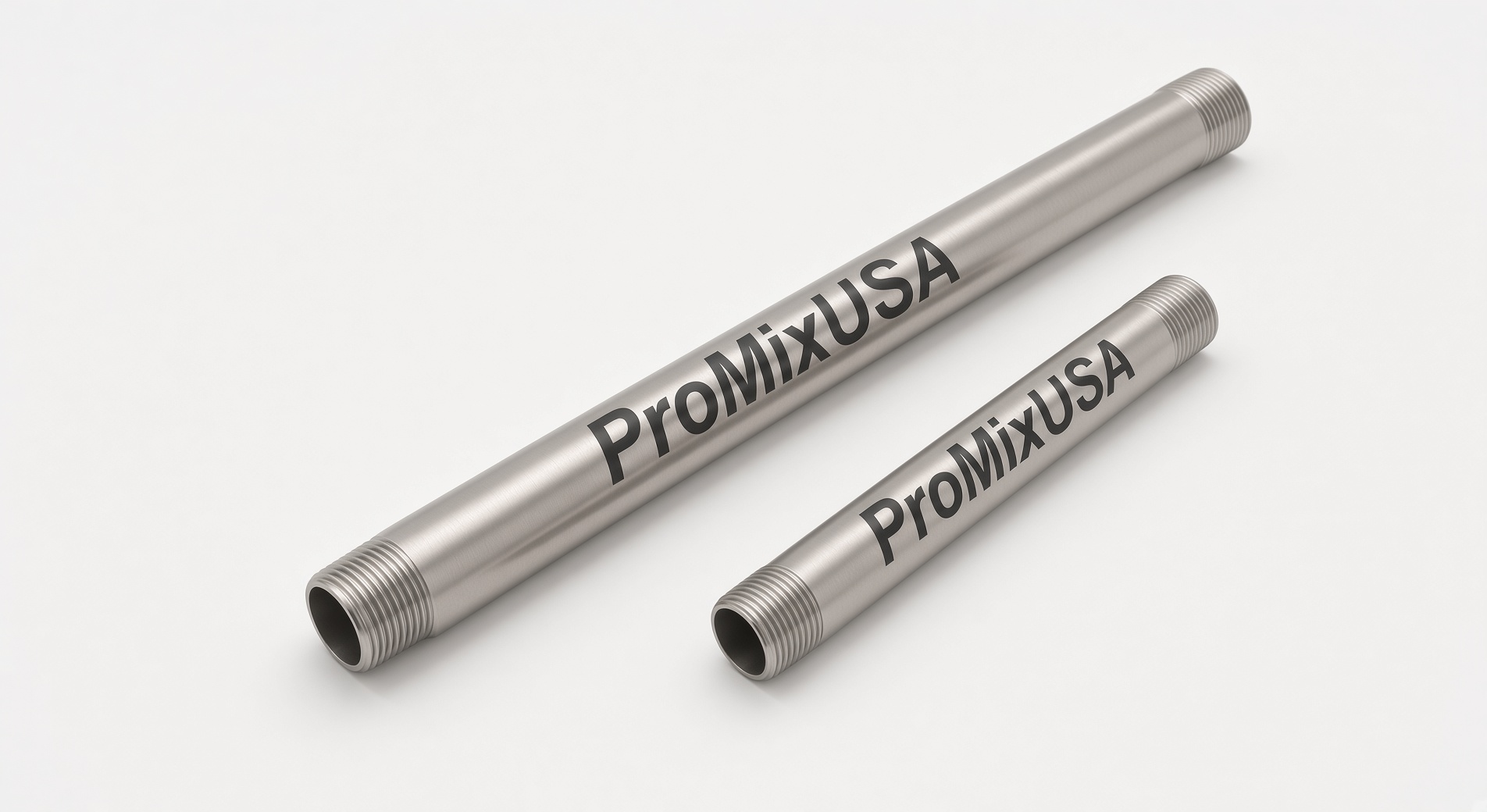
Metal Alloy Static Mixers are high-performance inline mixing devices constructed from robust alloys such as 316L Stainless Steel, Duplex, Hastelloy, Titanium, and Inconel.
They deliver reliable, uniform mixing in demanding applications where plastic or standard stainless steel mixers cannot survive.

What Are Metal Alloy Static Mixers?

These static mixers use fixed internal helical or corrugated elements to thoroughly blend fluids without any moving parts.
Available in a wide range of alloys, they are engineered for high pressure, high temperature, and severely corrosive or erosive services.

Key Benefits

High Strength & Durability Excellent mechanical strength and pressure ratings up to 2500# ANSI.
Wide Temperature Range From cryogenic (-196°C) to extreme heat (up to 650°C).
Superior Corrosion Resistance Hastelloy, Titanium, and Duplex alloys handle the most aggressive chemicals.
No Moving Parts Maintenance-free operation with long service life.

Metal Alloy Static Mixers are the go-to solution for chemical processing, oil & gas, pharmaceutical, power generation, and other critical industries where reliability under extreme conditions is essential.

Metal Alloy Static Mixers are advanced inline mixing devices that perform well in the most challenging industrial environments.
Furthermore, manufacturers build these mixers from high-performance alloys such as 316L Stainless Steel, Duplex Stainless Steel, Hastelloy C-276, Titanium, and Inconel 625. Unlike plastic static mixers, they handle extreme conditions with ease. In addition, these mixers deliver reliable and uniform mixing without any moving parts. As a result, they work excellently in high-pressure, high-temperature, corrosive, and erosive applications. Moreover, standard materials often fail quickly in these environments, but metal alloy static mixers continue to perform reliably for years.

Design and Construction

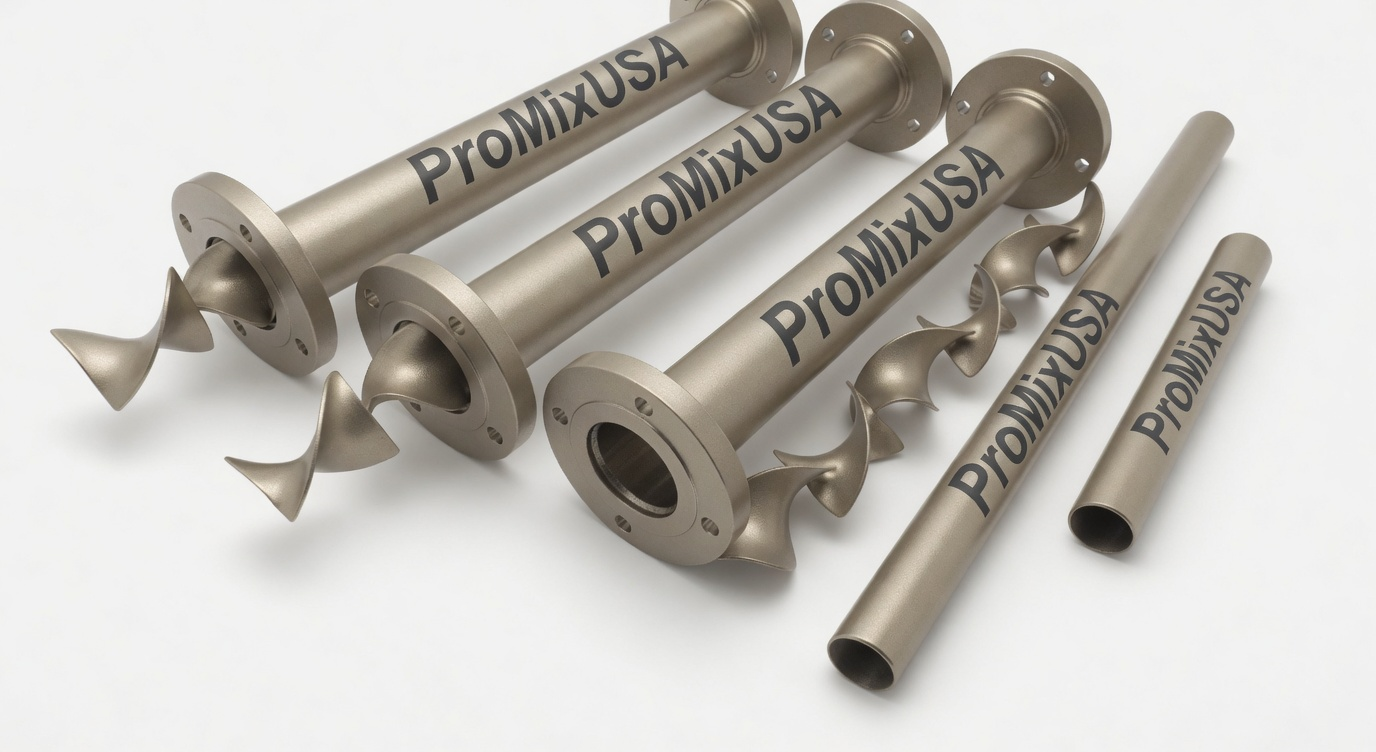
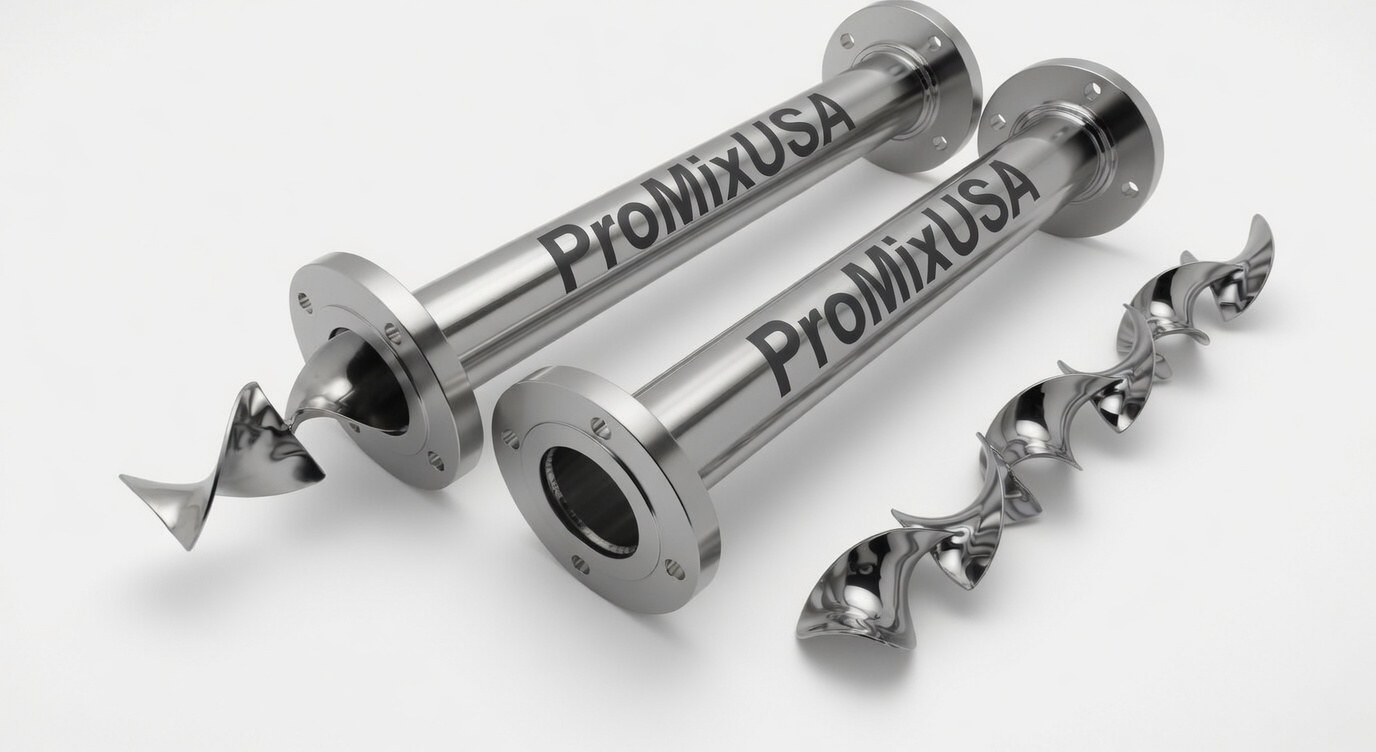
Metal Alloy Static Mixers consist of a robust metal pipe that contains a series of precisely engineered fixed internal mixing elements. These elements usually feature helical (twisted ribbon) or corrugated/tabbed designs. As the process fluid flows through the mixer, the elements repeatedly divide, rotate, and recombine the flow streams. This action creates intensive radial mixing and achieves high levels of homogeneity in a short distance. Furthermore, the choice of alloy is critical. Engineers select the material based on specific process conditions. For example, 316L Stainless Steel works well for general corrosive services. In contrast, Hastelloy and Titanium perform better in extremely aggressive acids, halogens, or high-temperature oxidizing environments. Moreover, manufacturers fully penetrate all weld joints. They can also electropolish the surfaces for high-purity applications in the pharmaceutical and semiconductor industries.

Key Performance Advantages

  • Exceptional Corrosion & Erosion Resistance – Superior performance in strong acids, oxidizers, halogens, and abrasive slurries.
  • High Pressure & Temperature Capability – Rated from cryogenic conditions up to 650°C (1200°F) and pressures up to 2500# ANSI.
  • Excellent Mixing Efficiency – Achieves high CoV (Coefficient of Variation) even with viscous fluids, multiphase flows, or difficult-to-mix chemicals.
  • Long Service Life – Minimal maintenance required due to the absence of moving parts and the inherent durability of high-alloy materials.
  • Customization Flexibility – Element geometry, number of elements, and surface finish can be tailored to meet exact process requirements.

Typical Applications

Metal Alloy Static Mixers are widely used across industries where reliability under extreme conditions is non-negotiable:

  • Chemical processing (acid dilution, solvent blending, exothermic reactions)
  • Oil & gas (corrosion inhibitor injection, crude blending, amine treating)
  • Pharmaceutical and biotech (API synthesis, high-purity solvent recovery)
  • Power generation (FGD slurry mixing, boiler feedwater treatment)
  • Pulp & paper (bleach mixing, black liquor processing)
  • Mining & mineral processing (acid leaching, flotation reagent mixing)

In these applications, metal alloy static mixers provide a critical advantage: they maintain consistent mixing performance even when exposed to aggressive chemicals, high temperatures, or abrasive particles that would rapidly degrade plastic or lower-grade stainless steel mixers.

Why Choose Metal Alloy Static Mixers?

When process conditions exceed the capabilities of PVC, CPVC, Kynar PVDF, or standard stainless steel, metal alloy static mixers become the only reliable solution.
They combine mechanical strength, thermal stability, and superior corrosion resistance in a maintenance-free design.
Whether the requirement is handling hot concentrated sulfuric acid, high-pressure hydrogen sulfide streams, or ultra-pure pharmaceutical intermediates, properly specified metal alloy static mixers deliver years of trouble-free operation with minimal downtime.

From standard 316L Stainless Steel to specialty Hastelloy and Titanium grades, metal alloy static mixers represent the premium choice for engineers who demand maximum reliability and performance in the world’s toughest mixing applications.
Dimensions N/A
Size

1/2", 3/4", 1", 1-1/2", 2", 3", 4"

Element Type

Blade, Helical, Non-Clog, Lattice

Connection Ends

Threaded (MNPT), Flanged (RF150), Tri-Clamp, Plain Ends

Material

Carbon Steel, Hastelloy® C-276, Alloy 20

Element Qty

6, 12

Injection Ports

0 (Default), 1/2", 3/4", 1"

Flow Straightening Blade

No (Default), Yes

Heat Jacket

No, Yes

Removable Elements

Included (Default)

Pipe Schedule

STD, 10S, 40S, 80, XH, 160, XXH

Optional Sizes

1-1/4", 2-1/2", 4", 5", 6"

Optional Materials

Duplex 2205 / 2507, Inconel, Monel, Titanium

Specifications

Metal Alloy Static Mixers are robust, high-performance inline mixing devices constructed from various metal alloys.
They are designed for demanding applications involving high temperatures, high pressures, corrosive fluids, or where superior mechanical strength is required.

Detailed Specifications – Metal Alloy Static Mixers

Parameter Specification Notes / Options
Material Options 316L Stainless Steel (standard), 304 Stainless Steel, Duplex 2205, Super Duplex, Hastelloy C-276, Hastelloy C-22, Titanium Grade 2/5, Inconel 625, Monel 400 Material selected based on corrosion, temperature, and pressure requirements
Available Sizes 1″ to 48″ (DN25 to DN1200) Larger custom sizes available on request
Mixing Elements Helical (twisted ribbon), Corrugated / Tabbed, or Multi-Element designs Number of elements optimized for required mixing uniformity
Connection Types Flanged (ANSI / DIN / JIS), Wafer Style, Butt Weld, Socket Weld Raised Face (RF) or Ring Type Joint (RTJ) flanges common
Pressure Rating 150# to 2500# ANSI (PN10 to PN420) Higher ratings available with reinforced designs
Temperature Rating -320°F to 1200°F (-196°C to 650°C) depending on alloy Hastelloy and Titanium allow highest temperatures
Pressure Drop Moderate (typically 8 – 45 psi at design flow) Lower than tube bundle, higher than vane-type straighteners
Viscosity Range 1 cP to 100,000+ cP Excellent performance with high-viscosity and non-Newtonian fluids
Surface Finish Standard mill finish or electropolished (Ra ≤ 0.8 µm) for high-purity applications Electropolishing available for pharmaceutical and semiconductor use
Standards Compliance ASME B16.5, ASME B31.3, ISO 5167, PED, ATEX, FDA / USP Class VI (on request) Material certificates (EN 10204 3.1 / 3.2) provided
Typical Applications Chemical processing, oil & gas, pharmaceutical, power generation, pulp & paper, high-temperature corrosive services Ideal where stainless steel or exotic alloys are required for corrosion resistance and strength

Metal Alloy Static Mixers are custom-engineered based on your specific flow rate, viscosity, required mixing uniformity (CoV), pressure drop limits, and process fluid compatibility.
The number and geometry of mixing elements are optimized to deliver the best balance between mixing performance and acceptable pressure loss.

With a wide selection of alloys from 316L Stainless Steel to Hastelloy and Titanium, these mixers provide reliable, long-term performance in the most demanding industrial environments where plastic or lower-grade materials would fail.

Pressure Drop

Pressure Drop vs. Flow Rate

Metal Alloy Static Mixer (316L Stainless Steel / Hastelloy) – 4″ Nominal Size
Fluid: Water (1 cP viscosity) at 68°F (20°C)

Typical Pressure Drop Curve – Metal Alloy Static Mixer

Flow Rate (GPM)   |   Pressure Drop (psi)
─────────────────────────────────────────────
50            |    2.1
100            |    6.8
150            |   12.5
200            |   20.2  ← Typical Design Point
250            |   29.8
300            |   40.5
350            |   52.8
400            |   66.0

Metal alloy static mixers (helical or corrugated element design) produce moderate to high pressure drop.
Recommended design range: 10 – 45 psi for effective mixing in corrosive and high-temperature services.

Key Notes on Pressure Drop for Metal Alloy Static Mixers

  • Metal alloy static mixers (316L SS, Hastelloy, Titanium, Duplex, etc.) typically have moderate pressure drop — higher than PVC/CPVC but lower than tube bundle or shell & tube designs.
  • Pressure drop scales with the square of the flow rate and increases significantly with fluid viscosity or density.
  • Helical element designs are most common in metal static mixers, offering a good balance between mixing performance and pressure loss.
  • Higher alloy materials (Hastelloy, Titanium) are chosen for extreme corrosion resistance and high-temperature applications without major changes to pressure drop characteristics.
  • Typical design target is 10 – 45 psi depending on required mixing uniformity and process conditions.
  • For very high-viscosity or slurry services, pressure drop can be substantially higher — custom element design is often required.

Metal alloy static mixers are widely used in chemical processing, oil & gas, pharmaceutical, and high-temperature corrosive services where stainless steel or exotic alloys are required for long-term durability. The pressure drop curve is critical for proper pump sizing and overall system energy calculations.

For precise pressure drop values tailored to your exact flow rate, fluid properties, temperature, and specific metal alloy mixer configuration, consult the manufacturer for a custom performance curve.

Installation

Proper installation of Metal Alloy Static Mixers is critical for achieving optimal mixing performance, preventing leaks, and ensuring long-term reliability under high pressure and temperature conditions.

Installation Procedures for Metal Alloy Static Mixers

Step Installation Procedure Tools / Materials Required Safety & Important Notes
1 Verify the flow direction arrow on the mixer body matches the actual process flow direction. Most metal static mixers are directional. None Incorrect orientation will significantly reduce mixing efficiency.
2 Shut down the system, isolate the line, depressurize, and follow lockout/tagout (LOTO) procedures. Drain or vent the line completely. Lockout/Tagout kit, drain valves Never install while the system is pressurized or contains hazardous chemicals.
3 Clean all flange faces thoroughly. Use new, compatible gaskets rated for the process fluid, pressure, and temperature (typically spiral wound or PTFE-filled gaskets for metal mixers). Lint-free cloths, solvent, new gaskets Old or damaged gaskets are a primary cause of leaks in high-pressure systems.
4 Align the mixer carefully between the flanges. Hand-tighten bolts in a criss-cross pattern, then torque gradually and evenly to the specified values for the flange class and gasket type. Calibrated torque wrench Follow ASME or manufacturer torque tables. Over-torquing can damage gaskets or distort flanges.
5 Install adequate piping supports on both sides of the mixer to prevent excessive weight, vibration, or thermal expansion stress on the unit. Pipe supports, clamps, expansion joints if needed Heavy metal mixers require proper support to avoid flange misalignment or stress cracking.
6 Perform a hydrostatic or pneumatic leak test at 1.5 times the operating pressure (or per code requirements) before introducing process fluid. Pressure testing equipment, gauges Monitor for leaks at all connections during pressurization.
7 Gradually introduce process flow at low rate. Monitor pressure drop across the mixer and compare with the manufacturer’s predicted values. Pressure gauges upstream and downstream, flow meter An unusually high pressure drop may indicate incorrect orientation or internal blockage.
8 Document the installation: torque values, gasket type, test results, serial number, and baseline pressure drop. Include photos of the installed mixer. Installation checklist, camera Maintain records for future maintenance, warranty, and regulatory compliance.

Important Notes for Metal Alloy Static Mixers:

• Always verify flow direction before installation.
• Use new, high-quality gaskets compatible with the process fluid and temperature.
• Follow proper bolt torquing sequences and values to prevent flange distortion or gasket failure.
• Provide adequate pipe supports — metal static mixers can be heavy.
• Perform a pressure test before commissioning.
• For high-temperature or exotic alloy mixers, consider thermal expansion when designing supports and piping layout.

Correct installation ensures the mixer delivers the designed mixing performance with maximum safety and reliability.

Maintenance

Metal Alloy Static Mixers are highly reliable because they contain no moving parts. However, periodic inspection and cleaning are essential to prevent internal fouling, maintain mixing efficiency, and ensure long-term corrosion resistance, especially in aggressive chemical or high-temperature services.

Maintenance Procedures for Metal Alloy Static Mixers

Maintenance Task Procedure & Frequency
Daily / Visual Inspection • Check for external leaks at flanges or welds
• Monitor and record pressure drop across the mixer
• Inspect the mixer body and flanges for signs of corrosion, cracking, or discoloration
Weekly / Bi-Weekly Cleaning • Flush the mixer with compatible solvent or clean water at low flow
• Remove any visible external chemical residue or buildup
• Verify all flange bolts remain properly torqued
Monthly / Quarterly Deep Cleaning • Isolate the mixer and perform a thorough chemical cleaning cycle using validated agents compatible with the alloy
• Check pressure drop trends to detect early fouling or scaling
• Inspect accessible areas for internal buildup
Semi-Annual / Annual Inspection • Thorough visual and ultrasonic inspection of welds and body for corrosion or erosion
• Check all flange bolts for proper torque and gasket condition
• Evaluate pressure drop data for any abnormal increase
Major Maintenance / Shutdown (Every 1–3 Years) • Remove the mixer if design allows (flanged models)
• Perform mechanical or chemical cleaning of internal mixing elements
• Inspect for erosion, pitting, or stress corrosion cracking (especially in Hastelloy or Titanium)
• Replace gaskets and seals during reassembly
• Hydrostatic pressure test after reinstallation
After Process Change or Long Shutdown • Flush thoroughly with compatible solvent before and after shutdowns
• Inspect for residue or accelerated corrosion from stagnant fluid
• Re-verify baseline pressure drop after restart

Important Notes for Metal Alloy Static Mixers:

• Monitor pressure drop trends closely — a gradual increase is the best early indicator of internal fouling or scaling.
• Use only cleaning agents proven compatible with the specific alloy (316L SS, Hastelloy, Titanium, etc.). Some alloys are sensitive to certain halides or strong bases at elevated temperatures.
• Avoid abrasive cleaning methods that could damage the mixing elements or create surface defects leading to corrosion.
• For exotic alloys (Hastelloy, Titanium), schedule more frequent inspections in highly aggressive services.
• Keep detailed maintenance records including pressure drop data, cleaning methods, and inspection findings.

Proper maintenance ensures Metal Alloy Static Mixers deliver consistent mixing performance and maximum service life in demanding industrial environments.

Q&A

Question Answer
What are Metal Alloy Static Mixers? Metal Alloy Static Mixers are inline mixing devices constructed from high-performance alloys such as 316L Stainless Steel, Duplex, Hastelloy, Titanium, or Inconel. They use fixed internal helical or corrugated elements to thoroughly mix fluids without any moving parts.
Why choose Metal Alloy Static Mixers over plastic ones? Metal alloy mixers offer superior mechanical strength, much higher pressure and temperature ratings, and excellent resistance to extreme corrosion, erosion, and high-temperature services where PVC, CPVC, or even PVDF would fail.
What materials are commonly used? Common materials include 316L Stainless Steel (most widely used), Duplex/Super Duplex, Hastelloy C-276/C-22, Titanium, Inconel 625, and Monel. The alloy is selected based on the specific chemical environment, temperature, and pressure.
What are the main applications? Chemical processing, oil & gas, pharmaceutical manufacturing, power generation (high-temperature services), pulp & paper, and any corrosive or high-pressure/high-temperature processes where plastic mixers are unsuitable.
How does pressure drop compare to other static mixers? Metal alloy static mixers typically produce moderate pressure drop — higher than PVC/CPVC or vane-type mixers but lower than tube bundle or shell & tube designs. The exact drop depends on element design and number of elements.
What temperature and pressure ratings can they achieve? Depending on the alloy, they can handle temperatures from -196°C to 650°C (-320°F to 1200°F) and pressures up to 2500# ANSI (PN420). Hastelloy and Titanium versions excel in extreme conditions.
Do they require much maintenance? Very little routine maintenance is needed since there are no moving parts. The main tasks are monitoring pressure drop for fouling, periodic flushing/cleaning, and occasional inspection of welds and flanges for corrosion or erosion.
Can they be used in sanitary or high-purity applications? Yes. Electropolished 316L Stainless Steel versions with Ra ≤ 0.8 µm surface finish are commonly used in pharmaceutical, biotech, and food-grade applications when full plastic construction is not suitable due to pressure or temperature limits.
What is the main advantage of metal alloy static mixers? They combine excellent corrosion resistance and mechanical strength with high pressure and temperature capability, making them the reliable choice for the most demanding industrial processes where plastic mixers would fail.

Note: Metal Alloy Static Mixers offer unmatched durability in high-pressure, high-temperature, and highly corrosive environments.
Proper material selection and installation are key to achieving long service life and optimal mixing performance.

Advantages / Disadvantages

Advantages Disadvantages
  • Excellent mechanical strength and high pressure ratings (up to 2500# ANSI)
  • Wide temperature capability (–196°C to 650°C / –320°F to 1200°F) depending on alloy
  • Superior corrosion and erosion resistance with proper alloy selection (Hastelloy, Titanium, Duplex, etc.)
  • Very durable and long service life in aggressive chemical and high-temperature environments
  • Good performance with high-viscosity fluids, slurries, and multiphase flows
  • Electropolished versions available for sanitary and high-purity applications
  • Proven reliability in critical industries such as oil & gas, chemical processing, and pharmaceutical
  • Can be fully customized with different element designs and alloys
  • Higher initial cost compared to PVC, CPVC, or standard stainless steel mixers
  • Heavier than plastic mixers, requiring stronger pipe supports and more careful handling
  • Moderate to higher pressure drop than vane-type or simple helical plastic mixers
  • Potential for stress corrosion cracking or pitting if the wrong alloy is selected for the process fluid
  • More difficult and expensive to repair or modify in the field compared to plastic designs
  • Requires proper gasket and bolting materials compatible with high temperatures and pressures
  • Longer lead times for exotic alloys such as Hastelloy or Titanium

Note: Metal Alloy Static Mixers are the preferred choice when high pressure, high temperature, or severe corrosion resistance is required.
While they have a higher upfront cost, they often provide the lowest total cost of ownership in demanding applications due to their durability and long service life.
Proper alloy selection is critical to maximizing performance and longevity.

Applications

Metal Alloy Static Mixers are engineered for the most demanding industrial environments where high pressure, high temperature, severe corrosion, or erosion resistance is required.
They deliver reliable, uniform mixing in applications where plastic or standard stainless steel mixers would fail.

Applications of Metal Alloy Static Mixers

Industry / Application Typical Fluids / Processes Purpose & Benefits
Chemical Processing Strong acids, alkalis, halogenated compounds, oxidizers, high-temperature reactions, catalyst mixing Provides reliable mixing in corrosive and high-temperature environments where plastic mixers degrade rapidly.
Oil & Gas / Petrochemical Crude oil blending, fuel oil homogenization, corrosion inhibitor injection, H₂S scavengers, amine gas treating Withstands high pressure, sour service, and erosive conditions common in upstream and downstream operations.
Pharmaceutical & Biotech API synthesis, solvent recovery, high-purity chemical blending, sterile media preparation Electropolished 316L versions meet sanitary requirements while handling aggressive solvents and high-temperature cleaning cycles.
Power Generation Flue gas desulfurization (FGD) slurry mixing, boiler feedwater treatment, cooling water chemical dosing Handles abrasive slurries and high-temperature services with excellent erosion and corrosion resistance.
Pulp & Paper Bleach mixing (chlorine dioxide, hydrogen peroxide), black liquor processing, chemical additive injection Resists aggressive bleaching chemicals and high-temperature pulp processes.
Mining & Mineral Processing Acid leaching (sulfuric & hydrochloric acid), cyanide detoxification, flotation reagent mixing, slurry handling Withstands abrasive slurries and strong acids that quickly destroy plastic or standard stainless steel mixers.
Specialty Chemicals & High-Temperature Processes Polymer production, solvent recovery, exothermic reactions, molten salts, high-temperature gas mixing Handles extreme temperatures and aggressive chemicals where long-term reliability is critical.

Metal Alloy Static Mixers are particularly valuable when:

  • Operating temperatures exceed the limits of plastic mixers (above 150–200°C)
  • High system pressures are present (above 150–300 psi)
  • Fluids are highly corrosive, erosive, or contain abrasives
  • Long service life with minimal maintenance is required in critical processes
  • Exotic alloys (Hastelloy, Titanium) are needed for extreme chemical compatibility

By selecting the right alloy — from standard 316L Stainless Steel to Hastelloy or Titanium — these mixers provide unmatched durability and mixing performance in the harshest industrial environments.

Downloads

Drawings