,

Vane Flow Straighteners

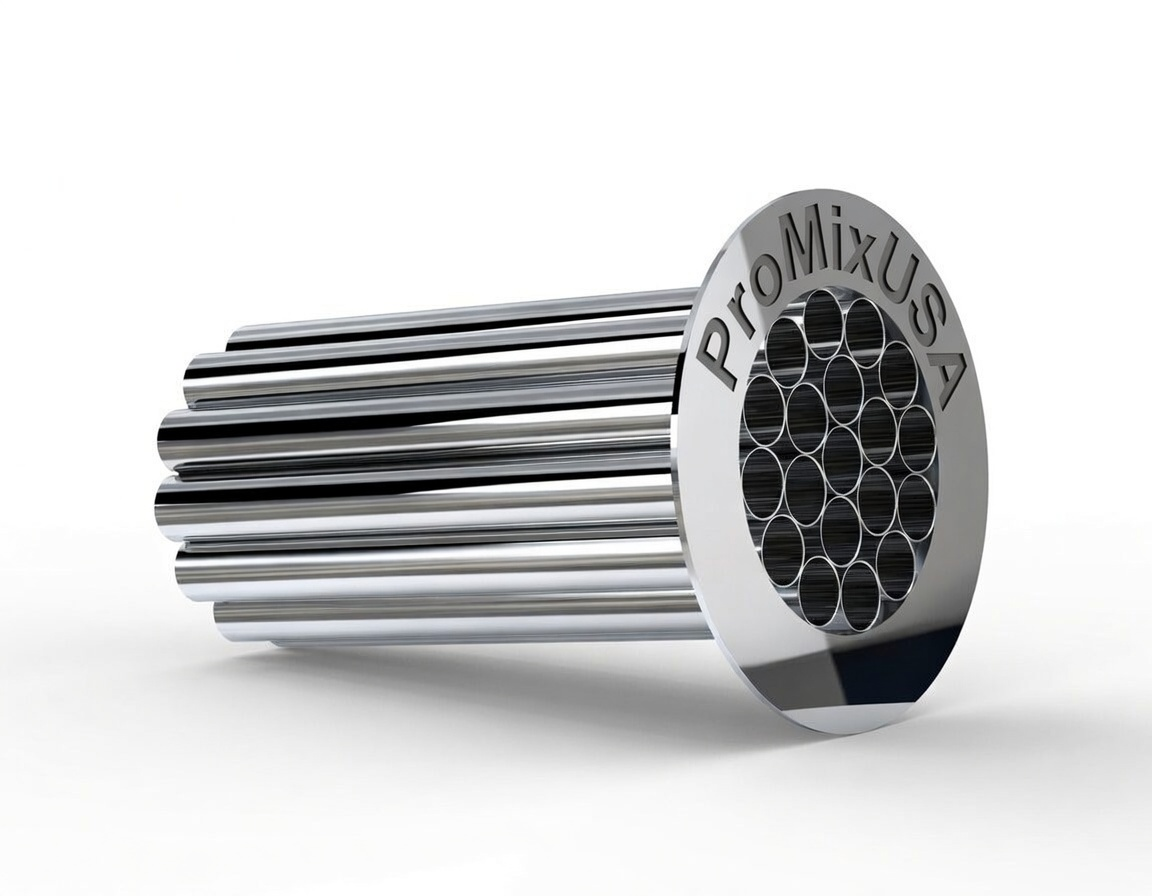
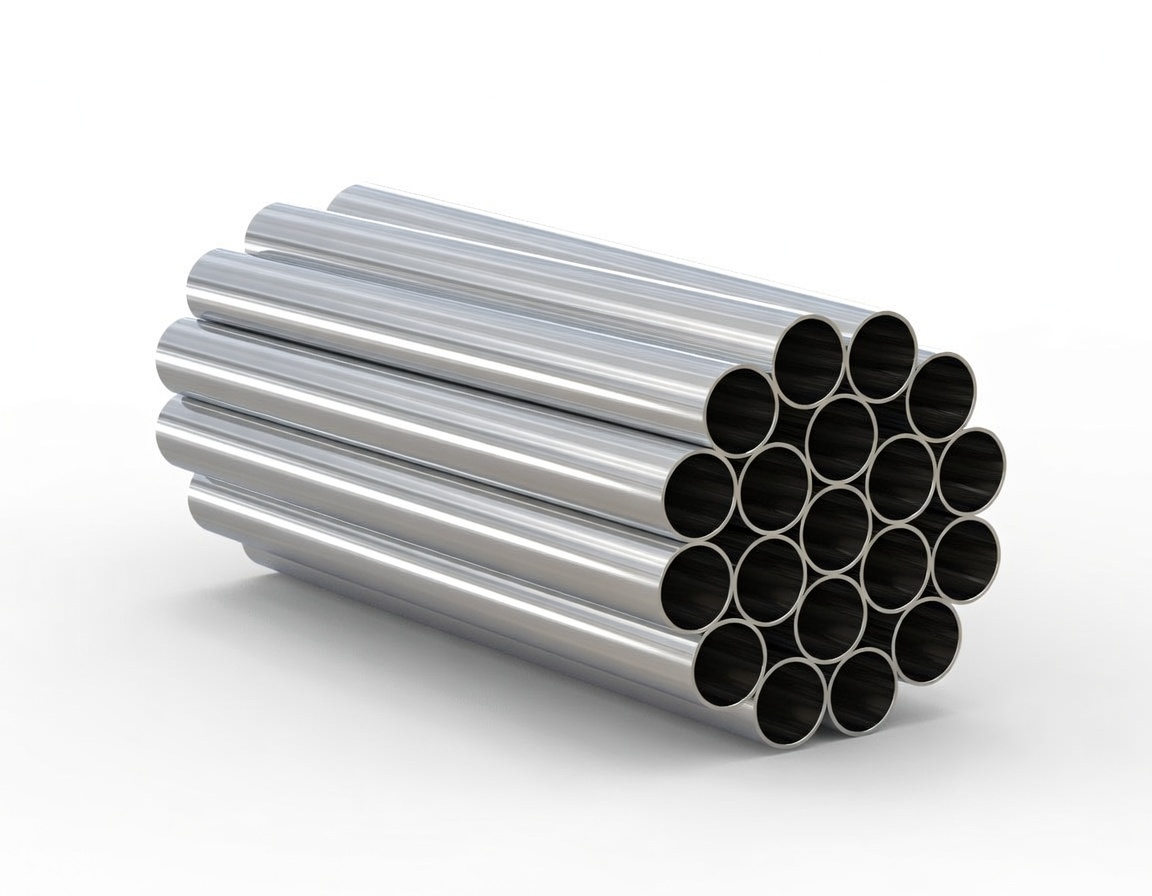
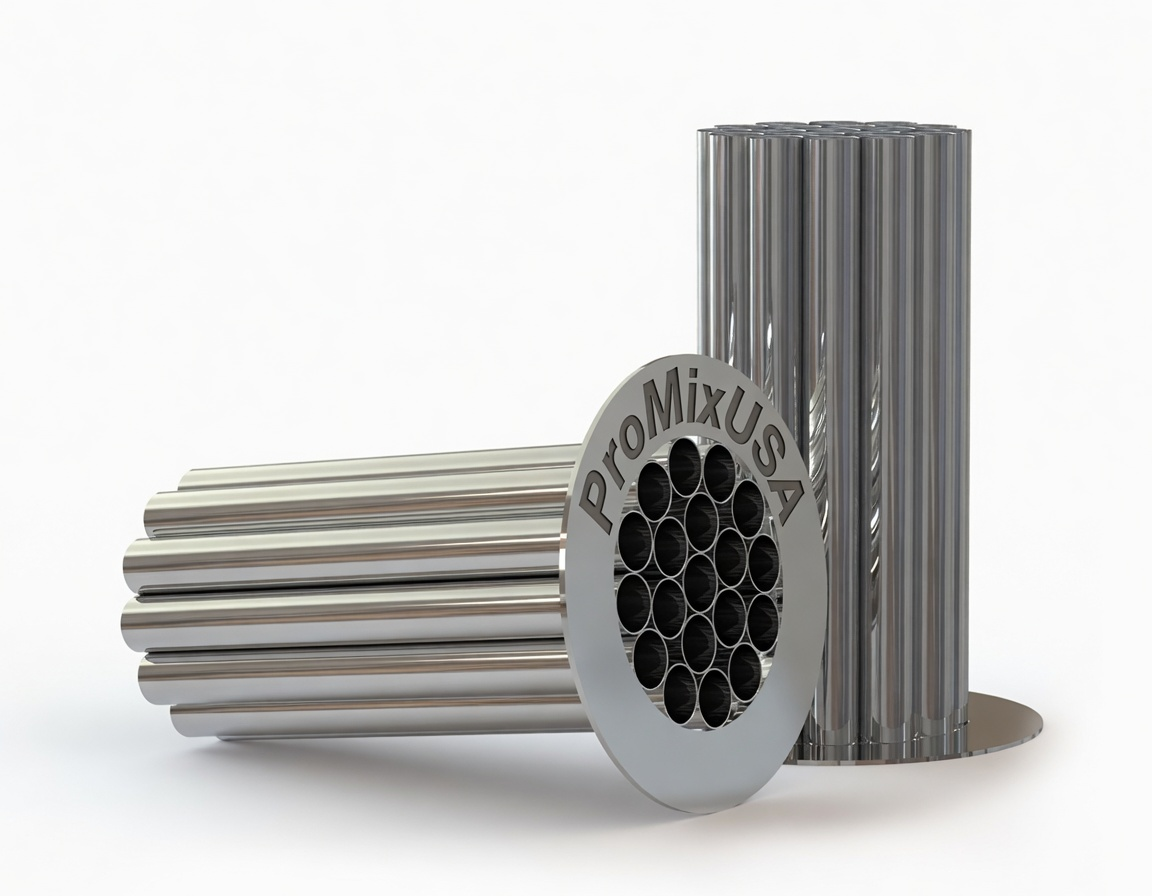
These flow straighteners come in a classic, evenly arranged concentric design featuring a bundle of 19 tubes. They are designed and built in compliance with AGA 3, API 14.3, and ISO 5167-1 standards.The flange-mounted versions are positioned between a pair of raised-face or ring-type joint (RTJ) flanges, located upstream from the orifice plate. In contrast, the pin-mounted variants are directly inserted and secured inside the pipe. They are offered for pipe diameters ranging from 2 inches to 30 inches across all common schedule ratings, with bespoke schedule options available upon request.

Vane flow straighteners, also known as flow straightening vanes or tube bundle straighteners, are essential devices in fluid dynamics and metering systems designed to condition and stabilize the flow profile within pipelines. Their primary function is to eliminate or minimize turbulence, swirl, and velocity distortions caused by upstream disturbances such as elbows, valves, tees, reducers, or pumps. By creating a uniform, axial flow pattern, these straighteners ensure accurate and reliable measurements from downstream flow meters, particularly in applications where precise flow rate determination is critical, such as in natural gas custody transfer, industrial process control, and water distribution systems.
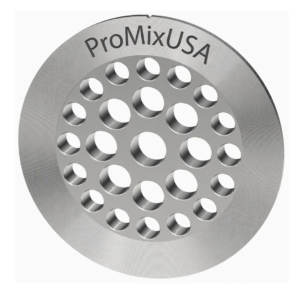
The core design of vane flow straighteners typically features a bundle of small-diameter tubes arranged in a concentric pattern within a larger pipe section. A common configuration is the 19-tube bundle, where one central tube is surrounded by rings of additional tubes—often six in the inner ring and twelve in the outer—to form a symmetrical honeycomb-like structure. This arrangement divides the incoming fluid into multiple parallel streams, attenuating rotational swirls (known as flow eddies) and redistributing high-velocity regions toward the pipe’s center.

The tubes are usually thin-walled, with wall thicknesses ranging from 0.049 inches to 0.188 inches depending on size, to minimize pressure drop while maintaining structural integrity. For instance, in a 4-inch pipe, the vane might have a length of 10 inches, an outer diameter of about 3-31/32 inches, and use 19 tubes each with a 13/16-inch outer diameter.  Larger sizes, like 24-inch pipes, could extend to 48 inches in length with tube bundles up to 4-3/4 inches in diameter.

Some advanced designs incorporate perforated plates or vanes instead of tubes, but the tube bundle remains the traditional and most widely used due to its effectiveness in complying with industry standards.

There are two main installation styles: flange-style and pin-style.
Flange Style
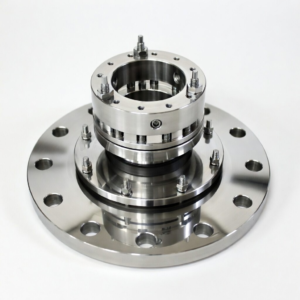
Flange-style straighteners are sandwiched between two raised-face (RF) or ring-type joint (RTJ) flanges, positioned upstream of the metering device, such as an orifice plate. This setup allows for easy removal and maintenance without disrupting the entire pipeline.
Pin Style

In contrast, pin-style vanes are inserted directly into the pipe and secured using set screws or pins, making them ideal for permanent installations where space is limited. Both types are typically placed at a distance of 5 to 10 pipe diameters upstream from the meter to allow the flow to fully stabilize.

For example, in turbine meter applications, they are installed to condition gas, liquid, or steam flows, ensuring the meter’s rotor experiences a consistent velocity profile.

ane flow straighteners are engineered to meet rigorous specifications outlined in standards like AGA Report No. 3 (for natural gas orifice metering), API MPMS Chapter 14.3, and ISO 5167-1 (for measurement of fluid flow by means of pressure differential devices). These standards dictate the required upstream straight-run lengths—often reduced significantly with straighteners, from 20-30 diameters without to as little as 5-10 with them—saving installation space and costs.

They are available for pipe sizes from 2 inches to 30 inches or larger, accommodating standard schedules (e.g., Schedule 10 to 160) and custom options upon request. Materials commonly include carbon steel for general use, 304 or 316 stainless steel for corrosive environments compliant with NACE MR-01-75, and exotic alloys for specialized applications like high-temperature steam or chemical processing.

Operation

In operation, as fluid enters the straightener, the tube bundle acts as a flow divider. Turbulent flows with asymmetric velocity peaks are broken into smaller, laminar-like streams within each tube. Upon exiting, these streams recombine into a flat, symmetrical profile with minimal swirl (typically less than 2 degrees) and a fully developed velocity distribution. This is crucial because flow meters like orifice plates or turbine meters assume a parabolic or uniform profile for accuracy; distortions can lead to errors of 5-10% or more. Pressure loss across the device is low, usually 0.5 to 2 head losses, depending on the design and flow rate.

For instance, in high-velocity gas lines, the straightener prevents jetting effects from upstream bends, ensuring the meter’s differential pressure readings are precise.

Compared to other flow conditioners, such as perforated plates or tab-type devices, vane straighteners excel at swirl reduction but may be less effective against severe velocity distortions from multiple out-of-plane bends.

In summary, vane flow straighteners are indispensable for enhancing flow measurement accuracy, optimizing system efficiency, and complying with global standards. Their robust design and versatility make them a staple in engineering pipelines worldwide, balancing performance with practicality in demanding fluid handling scenarios.

Applications

Applications span various industries. In oil and gas, they are vital for custody transfer metering, where even minor inaccuracies can result in significant financial discrepancies. In water and wastewater treatment, they condition flows before propeller or ultrasonic meters in irrigation pivots or municipal lines.
Pump suction lines benefit by reducing cavitation risks from swirling inflows. Chemical plants use them for mixing processes, while power generation employs them in steam lines to protect turbines. Specialized variants, like honeycomb straighteners, are used in aerospace for wind tunnel testing or HVAC systems for air distribution.

Maintenance

Maintenance involves periodic inspection for blockages or corrosion, with cleaning via flushing or disassembly.

Reviews

There are no reviews yet.

Only logged in customers who have purchased this product may leave a review.

You may also like…

news-1701

sabung ayam online

yakinjp

yakinjp

rtp yakinjp

slot thailand

yakinjp

yakinjp

yakin jp

yakinjp id

maujp

maujp

maujp

maujp

sabung ayam online

sabung ayam online

judi bola online

sabung ayam online

judi bola online

slot mahjong ways

slot mahjong

sabung ayam online

judi bola

live casino

sabung ayam online

judi bola

live casino

SGP Pools

slot mahjong

sabung ayam online

slot mahjong

SLOT THAILAND

118000701

118000702

118000703

118000704

118000705

118000706

118000707

118000708

118000709

118000710

118000711

118000712

118000713

118000714

118000715

118000716

118000717

118000718

118000719

118000720

118000721

118000722

118000723

118000724

118000725

118000726

118000727

118000728

118000729

118000730

118000731

118000732

118000733

118000734

118000735

118000736

118000737

118000738

118000739

118000740

118000741

118000742

118000743

118000744

118000745

138000441

138000442

138000443

138000444

138000445

138000446

138000447

138000448

138000449

138000450

138000451

138000452

138000453

138000454

138000455

138000456

138000457

138000458

138000459

138000460

138000461

138000462

138000463

138000464

138000465

138000466

138000467

138000468

138000469

138000470

158000346

158000347

158000348

158000349

158000350

158000351

158000352

158000353

158000354

158000355

158000356

158000357

158000358

158000359

158000360

158000361

158000362

158000363

158000364

158000365

158000366

158000367

158000368

158000369

158000370

158000371

158000372

158000373

158000374

158000375

208000371

208000372

208000373

208000374

208000375

208000376

208000377

208000378

208000379

208000380

228000071

228000072

228000073

228000074

228000075

228000076

228000077

228000078

228000079

228000080

228000081

228000082

228000083

228000084

228000085

228000086

228000087

228000088

228000089

228000090

228000091

228000092

228000093

228000094

228000095

228000096

228000097

228000098

228000099

228000100

228000101

228000102

228000103

228000104

228000105

228000106

228000107

228000108

228000109

228000110

228000111

228000112

228000113

228000114

228000115

228000116

228000117

228000118

228000119

228000120

228000121

228000122

228000123

228000124

228000125

228000126

228000127

228000128

228000129

228000130

228000131

228000132

228000133

228000134

228000135

228000136

228000137

228000138

228000139

228000140

228000141

228000142

228000143

228000144

228000145

228000146

228000147

228000148

228000149

228000150

228000151

228000152

228000153

228000154

228000155

238000232

238000233

238000234

238000235

238000236

238000237

238000238

238000239

238000240

238000241

238000242

238000243

238000244

238000245

238000246

news-1701