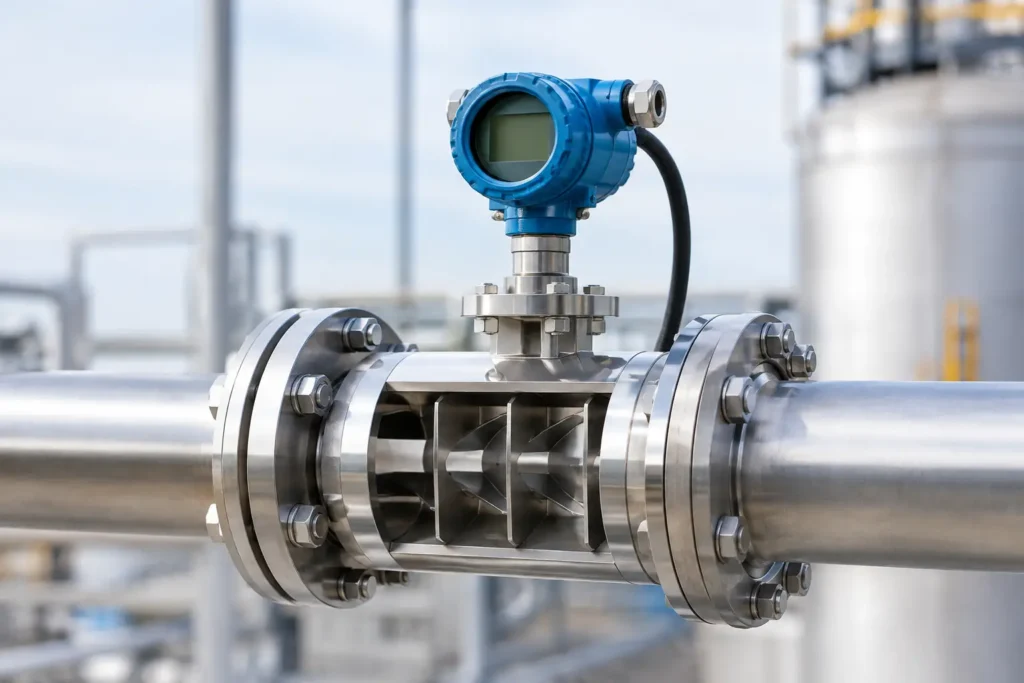
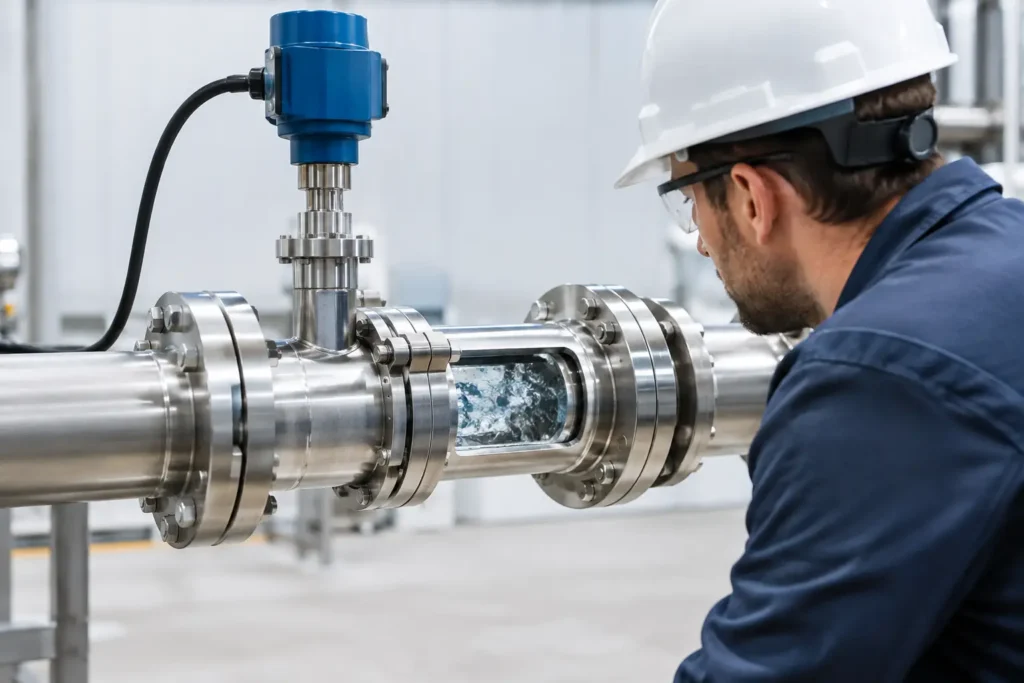
How to Install Inline Mixer Elements Correctly

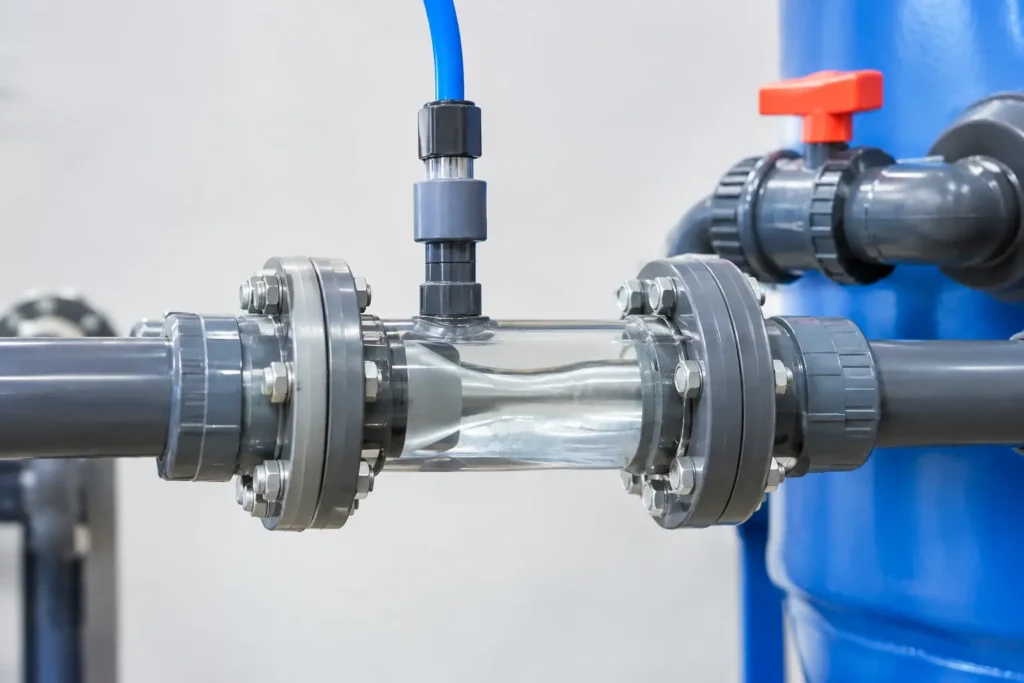
A static mixer can meet the correct diameter, material, and pressure rating on paper and still deliver poor results if the internal elements are installed incorrectly. When teams install inline mixer elements, orientation, sequence, seal selection, and piping alignment directly affect pressure drop, blend uniformity, chemical distribution, and maintenance access. For chemical dosing, emulsification, heat

How to Install Inline Mixer Elements Correctly Read More »
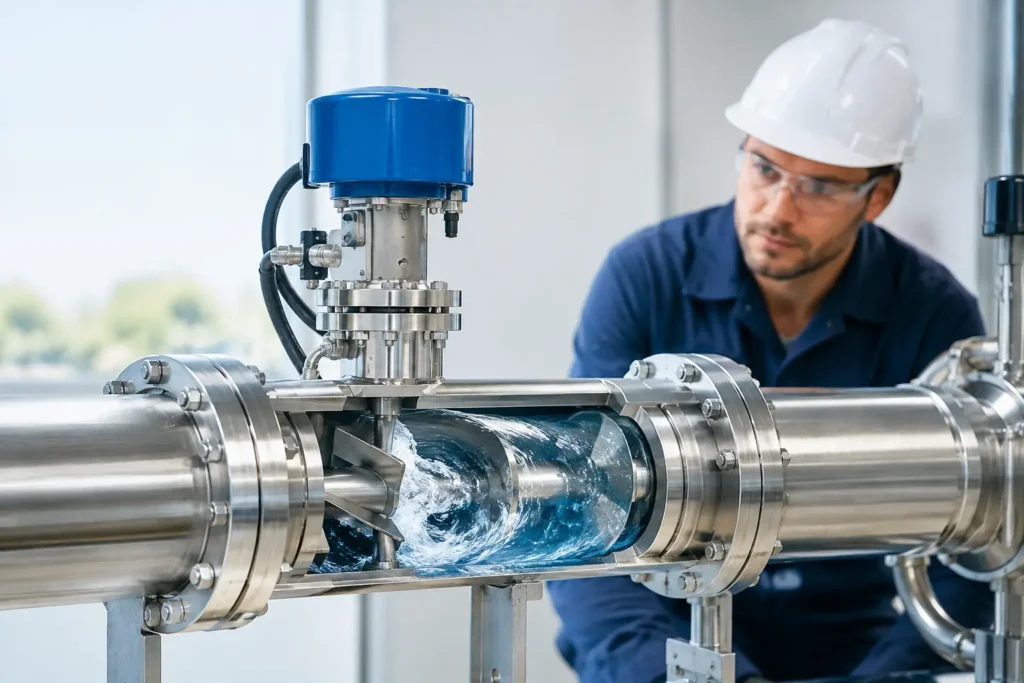
Inline Mixer Performance: What Controls Results

A static mixer that produces a clean sample at startup can still miss the required blend ratio, droplet size, or reaction consistency once the process reaches normal flow. Inline mixer performance is not determined by element count alone. It is the combined result of fluid properties, flow regime, injection geometry, available pressure drop, mixer design,

Inline Mixer Performance: What Controls Results Read More »

Flow Conditioner Sizing Guide for Accurate Metering

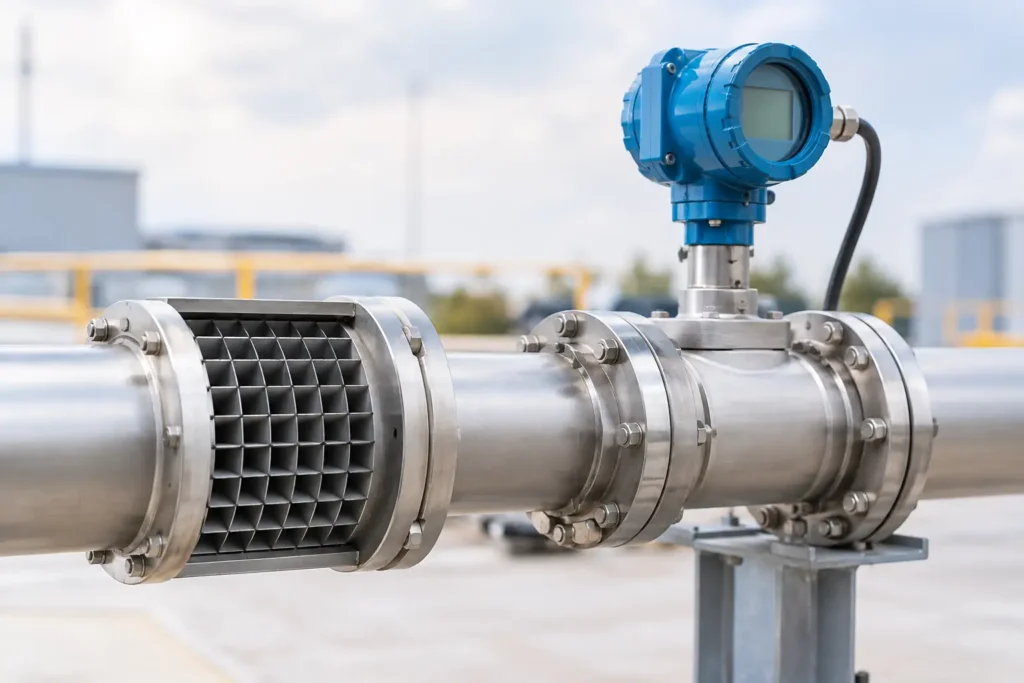
A flow conditioner is not sized by line diameter alone. This flow conditioner sizing guide starts where reliable meter performance starts: with the actual velocity profile reaching the meter. A correctly selected conditioner can reduce swirl, asymmetry, and velocity-profile distortion created by elbows, valves, pumps, tees, reducers, and partially open control valves. A unit selected

Flow Conditioner Sizing Guide for Accurate Metering Read More »

Ultra High Shear Guide for Process Engineers

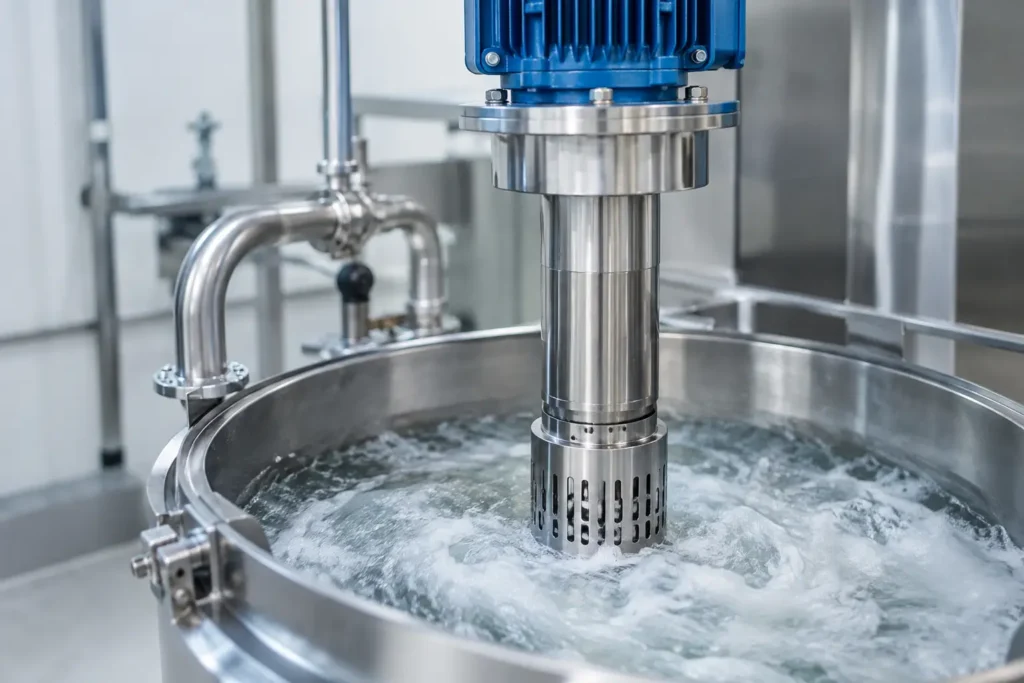
A batch that looks homogeneous at the vessel surface can still contain oversized agglomerates, unstable droplets, or poorly wetted powders. That gap between apparent mixing and actual product performance is where an ultra-high shear guide becomes useful. Ultra-high-shear equipment is specified when bulk circulation alone cannot generate the energy needed to emulsify, disperse, deagglomerate, hydrate,

Ultra High Shear Guide for Process Engineers Read More »

Venturi Eductors for Chemical Injection Systems

A chemical feed system can have the correct pump, the correct chemical, and the correct setpoint yet still underperform at the injection point. When the process requires suction, entrainment, or rapid blending without an electrically driven mixer, venturi eductors provide a compact, dependable answer. Their performance, however, depends on available differential pressure, suction conditions, and

Venturi Eductors for Chemical Injection Systems Read More »

PVC Versus PVDF Chemical Resistance: Which Fits?

For chemical injection quills, static mixers, calibration columns, venturi devices, and piping components, the right choice starts with the actual process – not a generic statement that a fluid is “corrosive.” Chemical identity, concentration, temperature, pressure, flow velocity, cleaning method, and upset conditions all affect material performance. PVC Versus PVDF Chemical Resistance in Process Service

PVC Versus PVDF Chemical Resistance: Which Fits? Read More »

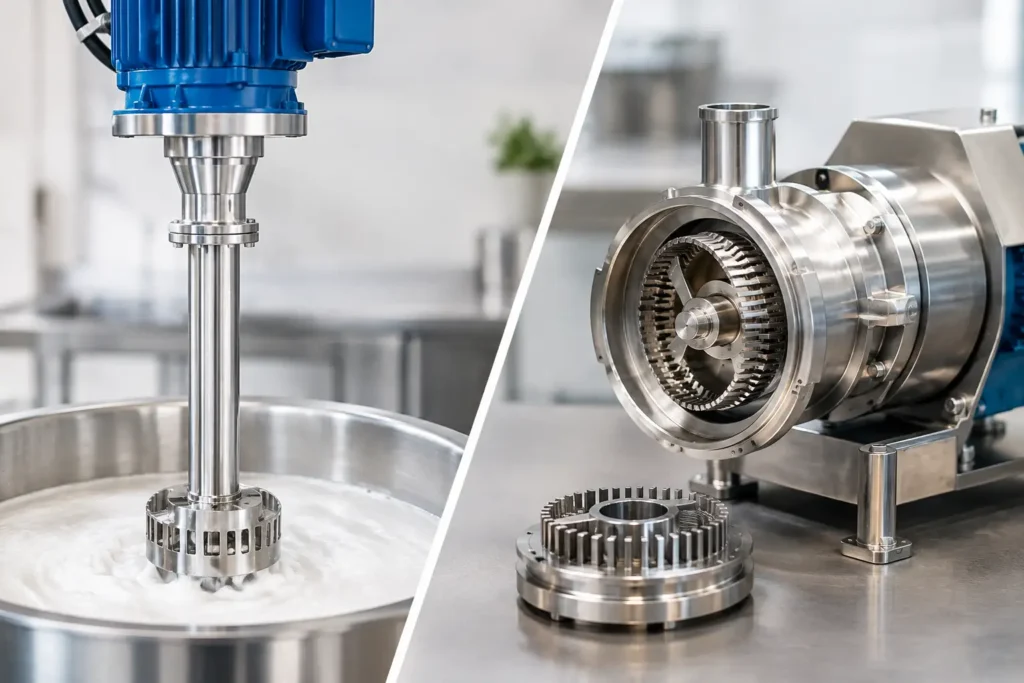
High Shear Mixers for Demanding Process Work

A batch can look mixed while still carrying the defects that matter most: oversized agglomerates, unstable emulsion droplets, undispersed powders, inconsistent viscosity, or concentrated chemical pockets. High shear mixers are built for the point where ordinary tank agitation no longer delivers the energy needed to make a uniform, repeatable product. The correct unit is not

High Shear Mixers for Demanding Process Work Read More »

Tank Mixer Maintenance Guide for Reliable Runs

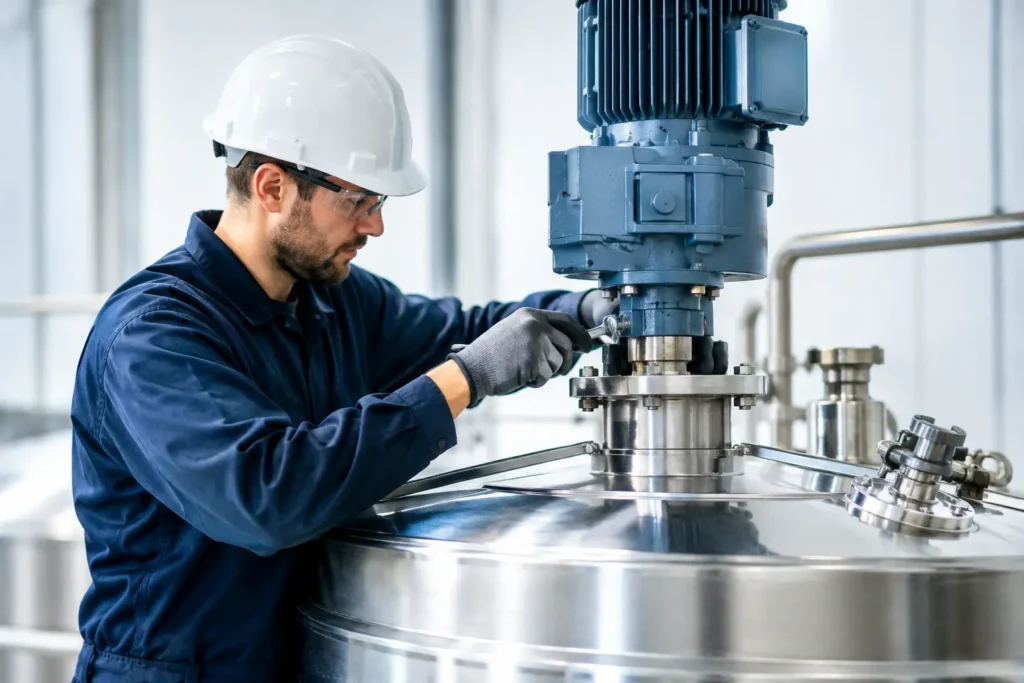
A tank mixer rarely fails without leaving evidence first. Increased vibration, a changing motor load, seal leakage, unusual gearbox noise, or longer batch times are operating signals that deserve attention before they become lost production. This tank mixer maintenance guide focuses on the mechanical and process checks that protect agitation performance in chemical processing, water

Tank Mixer Maintenance Guide for Reliable Runs Read More »

Flow Conditioners for Accurate Process Measurement

A flowmeter can be correctly sized, calibrated, and installed in the correct line size, then still deliver unreliable data because the fluid entering it is rotating, asymmetric, or unstable. Flow conditioners address that upstream problem. Installed ahead of sensitive instruments or process equipment, they reorganize the velocity profile so downstream devices receive flow conditions closer

Flow Conditioners for Accurate Process Measurement Read More »

High Shear Versus Colloid Mills Compared

A stable emulsion can fail because the selected mixer creates the wrong kind of energy, not because the formulation is wrong. In the high shear versus colloid mills decision, both technologies reduce droplets and disperse solids, but they do it through different mechanical actions. That distinction affects product texture, batch time, recirculation requirements, wear rates,

High Shear Versus Colloid Mills Compared Read More »