Vane Flow Straiteners for Accurate Metering

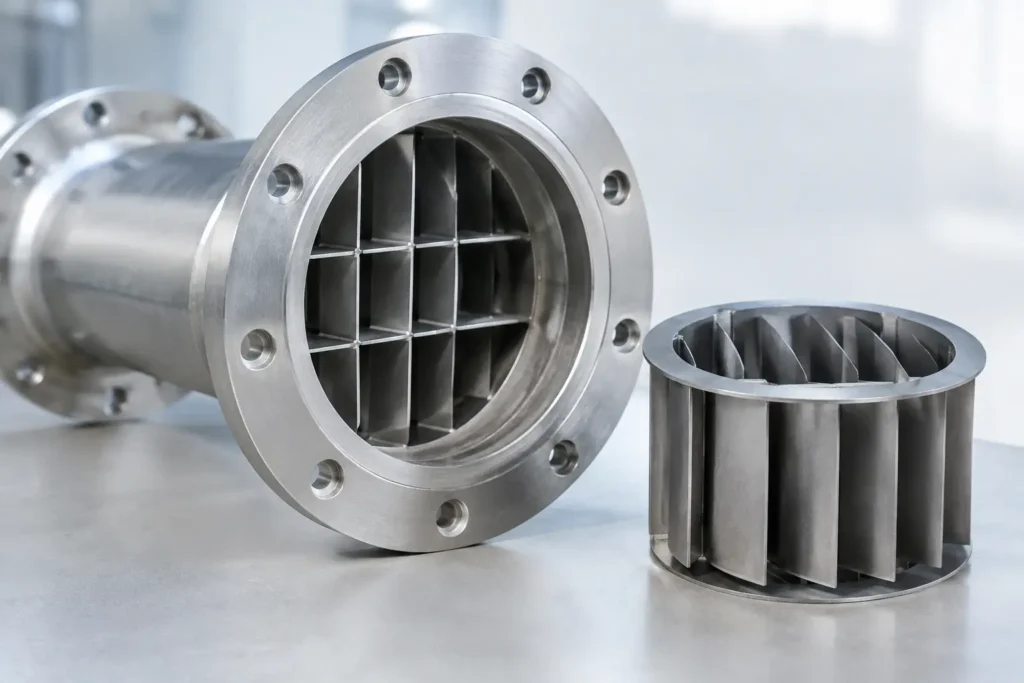
A flow meter can be correctly sized, correctly installed, and still produce unstable readings if the fluid entering it is rotating, asymmetric, or recovering from a disturbance. Vane flow straighteners, more commonly spelled vane flow straighteners, address that upstream problem by conditioning the flow profile before it reaches a measurement device, control valve, or other

Vane Flow Straiteners for Accurate Metering Read More »

Industrial Chemical Injection Guide for Plants

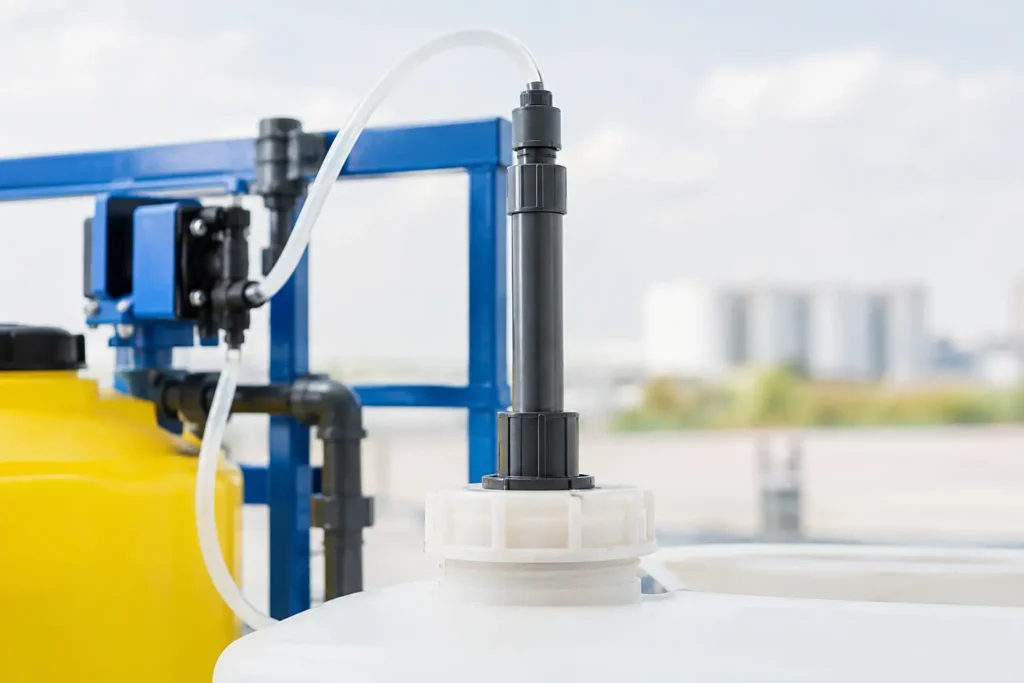
A chemical feed rate can be accurate at the pump and still fail at the process. The chemical may strike the pipe wall, concentrate in a low-velocity zone, flash from pressure changes, or reach an analyzer before it has dispersed. This industrial chemical injection guide focuses on the equipment decisions that turn a metered dose

Industrial Chemical Injection Guide for Plants Read More »

Retractable Quills

Injection Equipment That Keeps Dosing on Target

A chemical feed pump can deliver the correct volume and still produce an unreliable process result. The failure point is often where the chemical enters the line. Injection equipment determines whether a treatment chemical reaches the intended stream, disperses at the right rate, avoids damaging pipe components, and remains accessible for inspection. For plants handling

Injection Equipment That Keeps Dosing on Target Read More »

Best Materials for Acid Injection Equipment

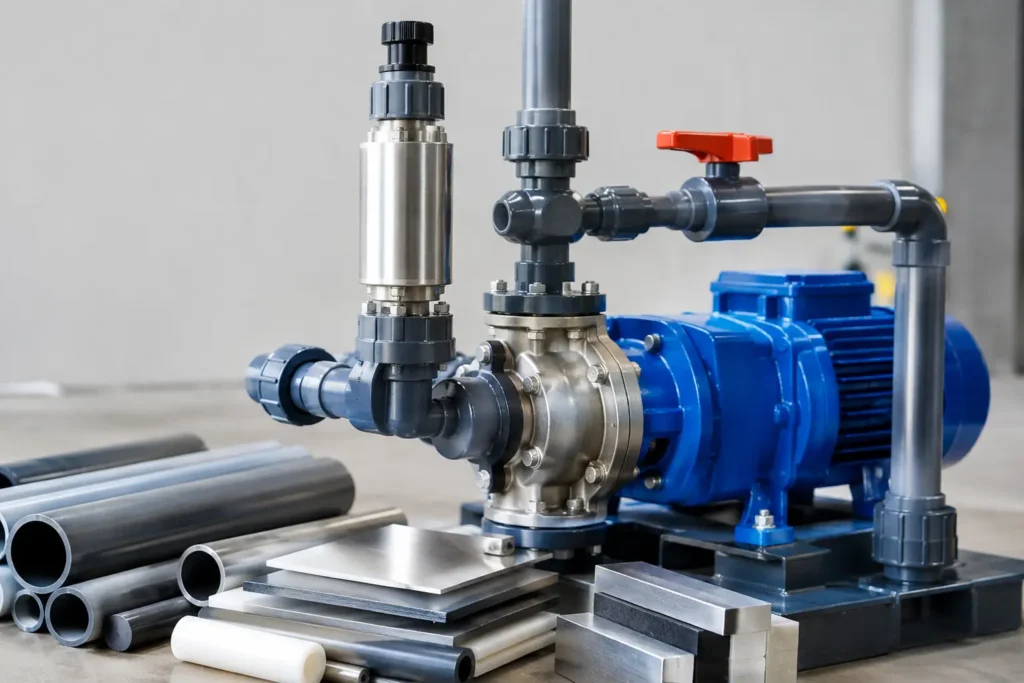
Acid injection failures usually start at the wetted surface An acid injection system can have the correct dosing rate, a well-designed injection point, and a dependable metering pump, yet still fail prematurely because one wetted component was specified for the wrong chemical condition. Selecting the best materials for acid injection means evaluating more than the

Best Materials for Acid Injection Equipment Read More »

Process Mixer Procurement Guide for Plant Buyers

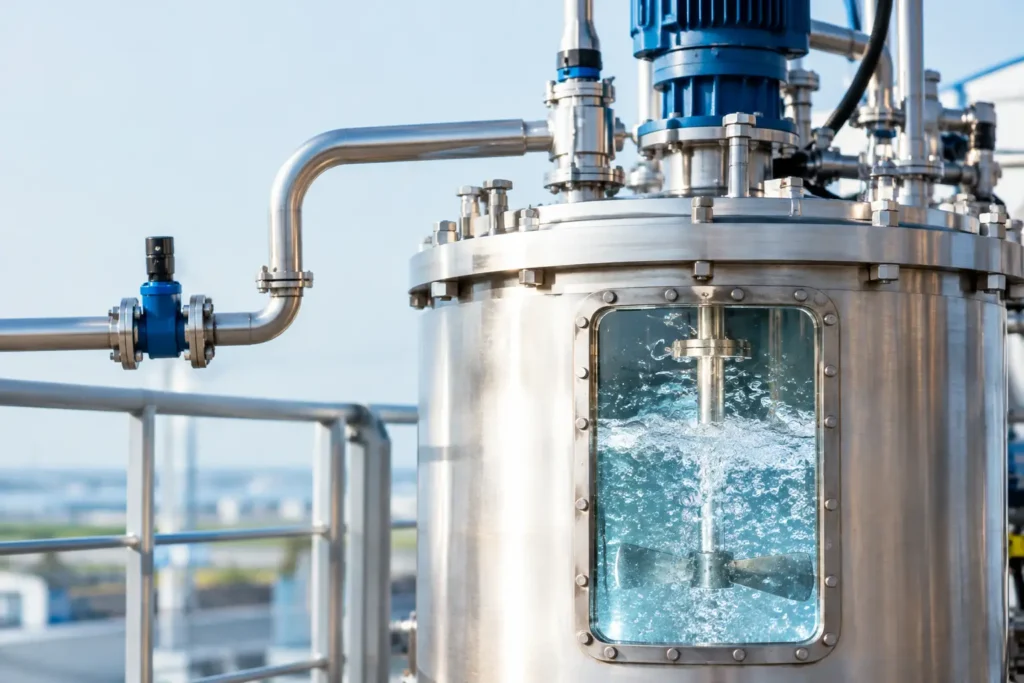
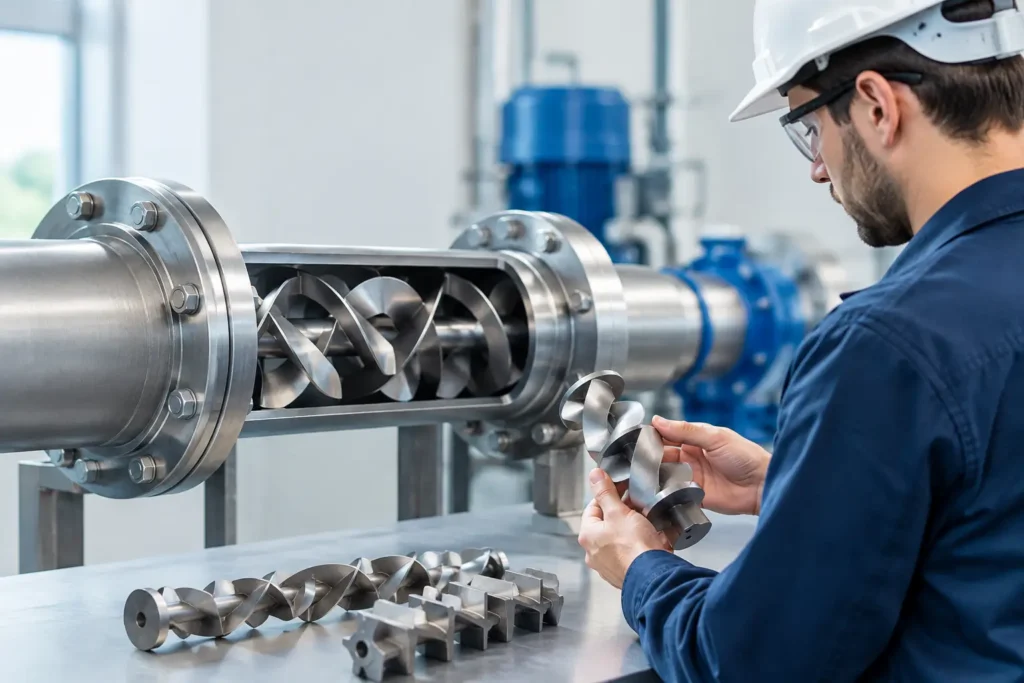
A mixer purchase can look straightforward until the equipment reaches the plant and the process refuses to behave as expected. A process mixer procurement guide should begin with the actual mixing duty, not a generic equipment category or a lowest-price comparison. The right specification protects batch consistency, chemical safety, throughput, maintenance budgets, and startup schedules.

Process Mixer Procurement Guide for Plant Buyers Read More »

Retractable Injection Quills for Safer Dosing

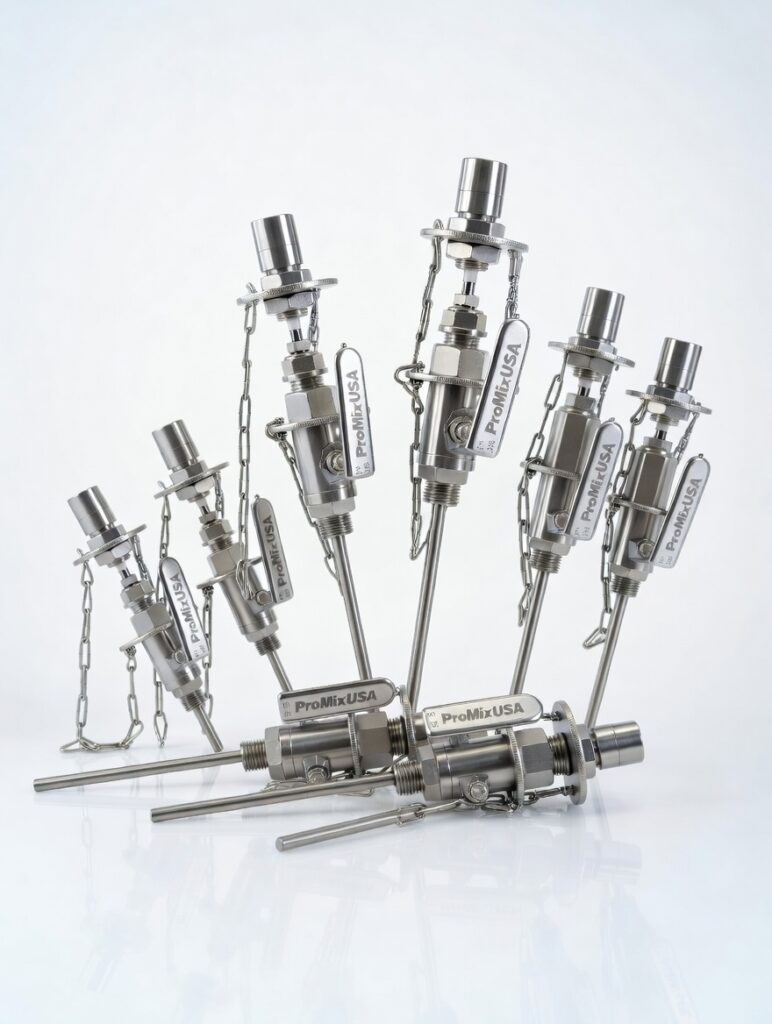
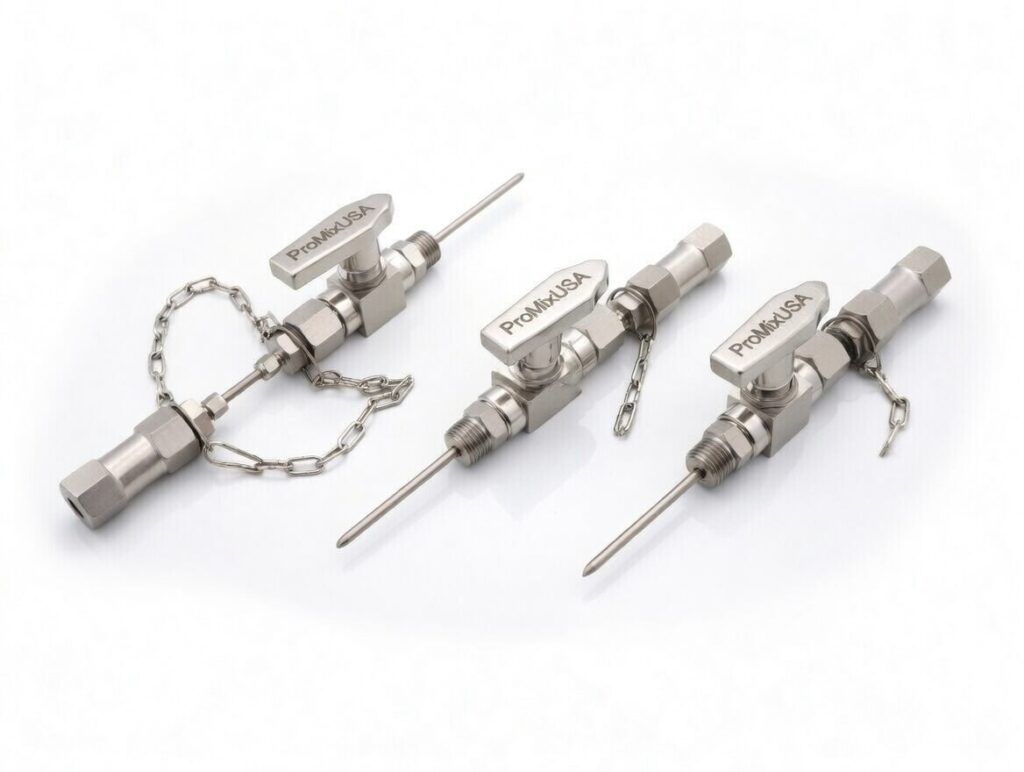
A chemical injection point becomes a maintenance problem the moment it plugs, corrodes, or needs inspection while the process line must remain online. Retractable injection quills address that problem by allowing an operator to withdraw the injection tube from a pressurized pipeline through an isolation assembly, rather than opening the line or scheduling a shutdown.

Retractable Injection Quills for Safer Dosing Read More »

How to Specify Static Mixers for Process Duty

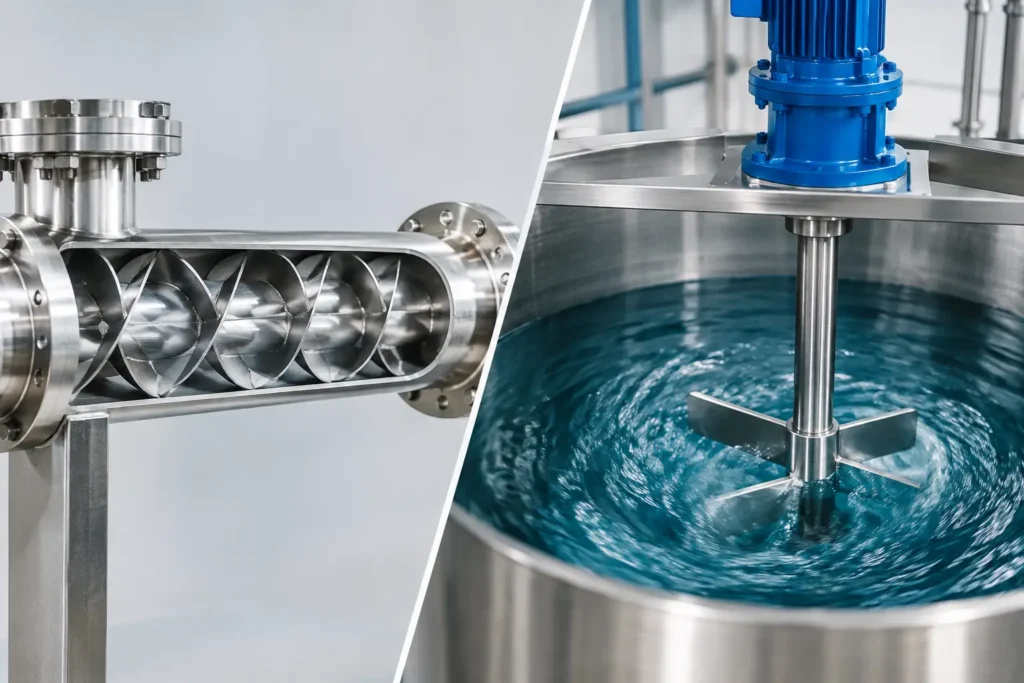
A static mixer can be a compact solution to a costly process problem, but only when the injection point, mixer geometry, flow regime, and pressure budget work together. Installing mixing elements in a pipe will not compensate for an underperforming chemical feed pump, poor feed distribution, incompatible materials, or insufficient available pressure. For industrial applications,

How to Specify Static Mixers for Process Duty Read More »